
Lucretia Immobilier
Masdar City

Masdar City Abu Dhabi – Sustainable Living in a Tech-Driven Eco-Hub

District overview

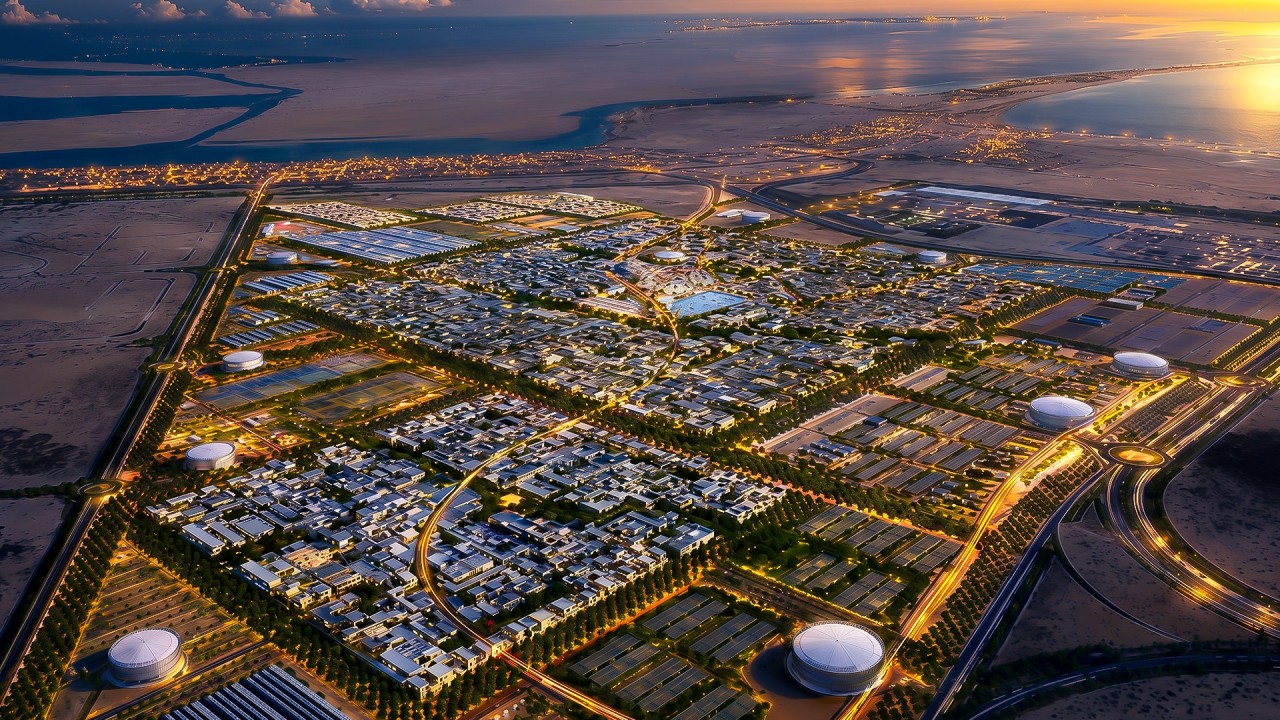
Conceived in 2006 as a real-world testbed for low-carbon urbanism, Masdar City has become one of Abu Dhabi's most distinctive places to live, work and invest. Backed by Mubadala, this eco-city combines a world-class technology free zone, buildings that use up to 40% less energy and water, and a close-knit residential community. Just minutes from Zayed International Airport, it draws researchers, founders and investors who value sustainability. Here is everything you need to know about Masdar City real estate before you move in or commit capital.

← Back

Current price / m²

AED 18,093

2026-08

Avg. growth / year

+7.8%

annual growth

Since 2021

+44.7%

total change

Avg. gross yield

7.5%

rent / price

Market data

Price evolution

Explore all data →

Average price in AED/m²

Source: Bayut — median prices recorded on 24 September 2026

Map

Masdar City on the map

See all districts →

Complete guide

Masdar City — everything you need to know

Masdar City: A Living Blueprint for Low-Carbon Urban Design

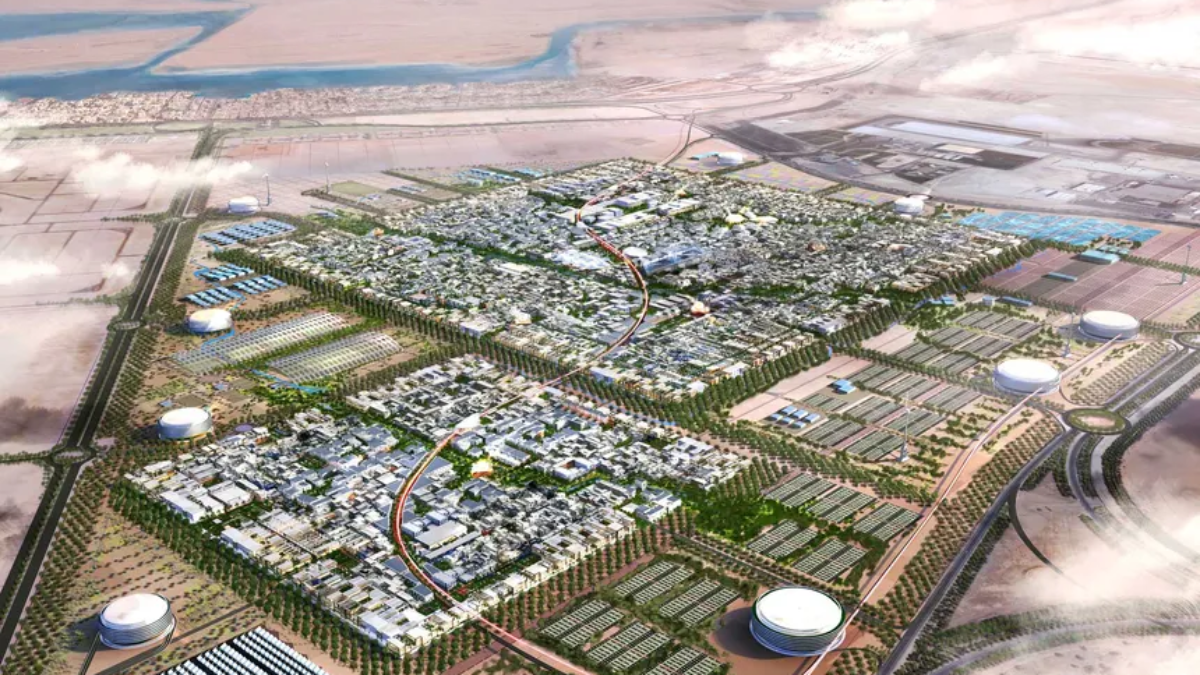
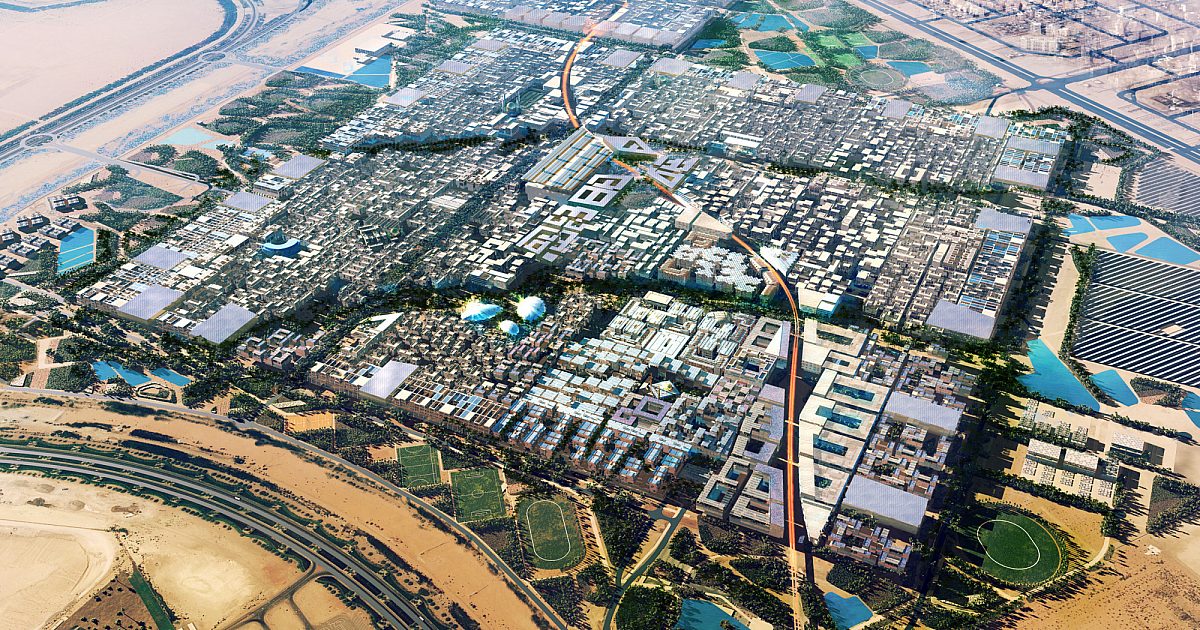
Launched in 2006 by Masdar, a subsidiary of sovereign investor Mubadala, Masdar City was built to prove that a city can thrive in the desert while dramatically shrinking its environmental footprint. Today, the roughly 6 km² district is home to around 15,000 people who live or work there, in a calm, walkable setting defined by innovation.

Architecture shaped by climate

The first buildings, designed by Foster + Partners, draw on the traditional Arab medina: narrow shaded streets, wind towers for natural ventilation, terracotta façades with arabesque patterns and palm-wood screens. The urban core is elevated to improve thermal comfort and separate pedestrians from vehicles.

Key eco-city facts

  • 40% less energy and water use than comparable buildings
  • Construction with low-carbon cement and 90% recycled aluminium
  • A 10 MW solar plant plus 1 MW of rooftop solar
  • The UAE's first Estidama 5 Pearl rated commercial office development
  • Abu Dhabi's first net-zero energy mosque

A global centre of excellence

Masdar City hosts the headquarters of IRENA (International Renewable Energy Agency), the regional HQ of Siemens Energy – Abu Dhabi's first LEED Platinum building – plus Mohamed bin Zayed University of Artificial Intelligence, Khalifa University, G42 and the UAE Space Agency. This concentration of talent gives the district a unique identity: a smart city where science, technology and quality of life coexist naturally.
Everyday Life in Masdar City: Shops, Parks and Green Leisure

Away from busy highways, life in Masdar City unfolds on foot, by bike or aboard electric shuttles. The district offers a peaceful setting that suits young professionals, researchers and families seeking a sustainable lifestyle.

Shopping and dining

  • My City Centre Masdar: a neighbourhood mall by Majid Al Futtaim with a supermarket, pharmacy and everyday services
  • A curated mix of cafés, restaurants and retail outlets along pedestrian streets and shaded plazas
  • Masdar City Square: a cluster of seven commercial buildings totalling 50,000 m², certified WiredScore Platinum

Parks and outdoor activities

  • Eco-friendly parks planted with climate-adapted species and designed for resident well-being
  • The region's largest pump track, open to bikes, scooters, skateboards, rollerblades and wheelchairs
  • Cycling lanes and jogging routes linking different neighbourhoods

Education and healthcare

With Khalifa University and MBZUAI on site, Masdar City functions as a genuine knowledge campus. For school-age children, families rely on the many international schools in nearby Khalifa City and Mohammed Bin Zayed City, offering British, American and IB curricula within a short drive. Clinics and hospitals are also easily reachable.

Culture and community

The net-zero energy mosque, which welcomed worshippers during Ramadan, captures the fusion of Emirati heritage and innovation. Community events, markets and conferences keep the city lively throughout the year, fostering a strong sense of belonging among residents.

Masdar City 2

Masdar City Property Market: Prices, Rents and Demand Drivers

The Masdar City property market remains a niche segment in Abu Dhabi: supply is deliberately limited, which supports demand and price stability. The district is a designated investment zone where foreign nationals can buy, and it benefits from a dense cluster of institutional and tech employers.

Property types

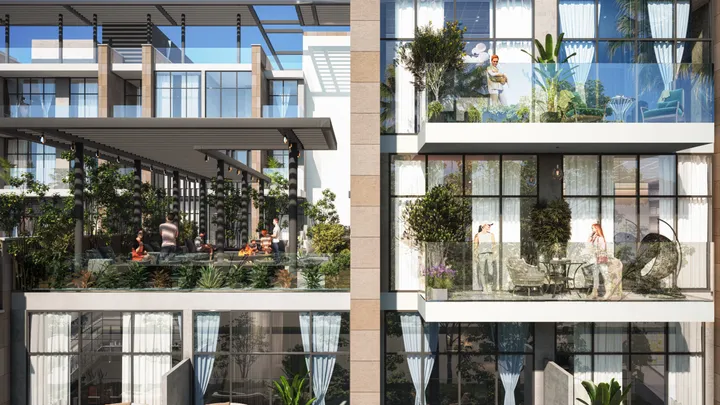
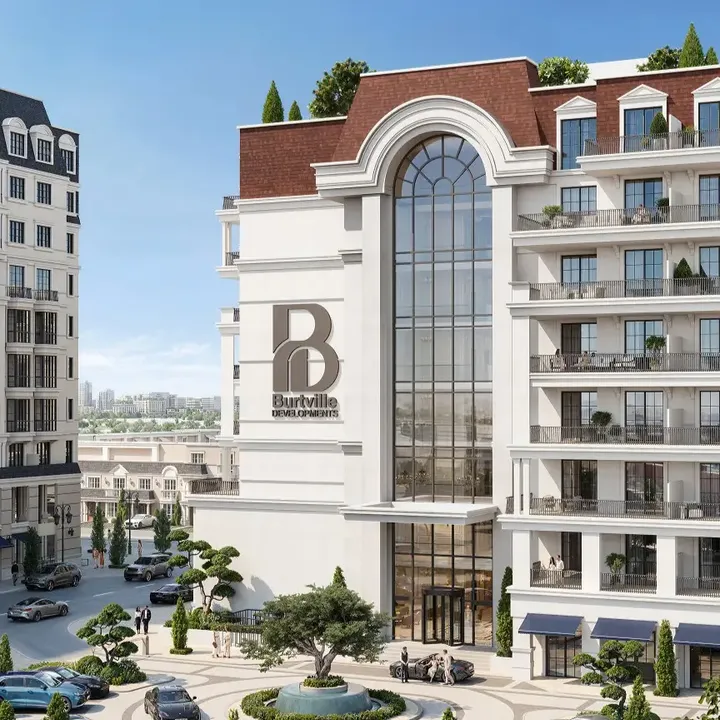
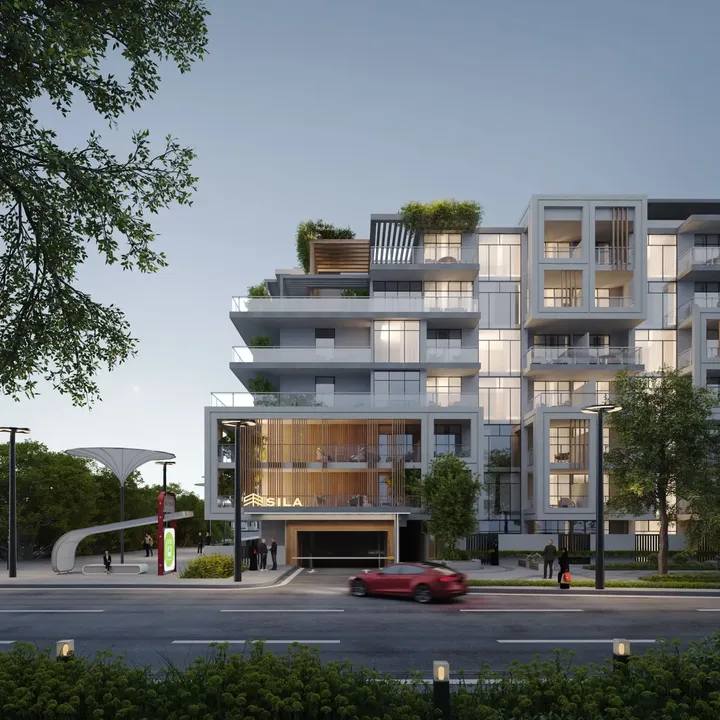
  • Studios and one- to three-bedroom apartments in sustainable communities such as Oasis Residences and Leonardo Residences
  • A limited number of townhouses and family homes in newer phases
  • LEED and Estidama-certified offices and retail units for commercial investors

Indicative sale prices

As a guide, prices typically range from AED 900 to AED 1,400 per sq ft depending on the building, floor and finishes. Studios often trade around AED 500,000–700,000, while one-bedroom apartments start from roughly AED 750,000. These entry points remain more accessible than Saadiyat or Al Maryah Island.

Rents and tenant demand

  • Studio: approx. AED 45,000–60,000 per year
  • 1-bedroom: approx. AED 60,000–85,000 per year
  • 2-bedroom: approx. AED 90,000–120,000 per year

Demand comes from postgraduate students, researchers, IRENA staff and companies within the free zone. The strategic partnership between Aldar and Mubadala, covering more than AED 30 billion in assets, adds long-term visibility. All figures are indicative and should be verified with a licensed agent before any transaction.

Getting Around Masdar City: Highways, Shuttles and Airport Access

A key advantage of Masdar City is its strategic location: set between Abu Dhabi and Dubai, at the crossroads of Middle Eastern and Asian markets, it offers outstanding connectivity.

Indicative travel times

  • Zayed International Airport: about 5–10 minutes
  • Khalifa City: adjacent, around 5 minutes
  • Yas Island: about 15 minutes
  • Al Raha Beach: about 10 minutes
  • Downtown Abu Dhabi and the Corniche: about 25–30 minutes
  • Dubai: about 60–75 minutes via the E11

Clean mobility inside the city

Internal combustion vehicles are not permitted in the core of Masdar City: visitors park at the edge and continue on foot or via electric options. The district has piloted several innovations:

  • The Personal Rapid Transit (PRT) system of autonomous electric pods on a dedicated track, which remains a prototype
  • Autonomous shuttles linking car parks, residences and the city centre
  • A network of EV charging points and shared electric vehicles

Public transport and future links

Bus routes connect Masdar City with Abu Dhabi's main neighbourhoods. In the longer term, Abu Dhabi's planned light rail and metro network may link the district to the wider metropolitan area. For drivers, direct access to the E10 and E11 highways ensures smooth journeys across the emirate and towards Dubai, making daily commuting straightforward.

Masdar City 3

Why Invest in Masdar City: Rental Yields and Long-Term Upside

Investing in Masdar City means backing two powerful long-term trends: the energy transition and the knowledge economy, both central pillars of the UAE's national strategy.

Attractive returns

Thanks to moderate entry prices and resilient rental demand, gross rental yields typically range from 6% to 8% per year, among the most competitive in the capital. Low vacancy is driven by the immediate proximity of employers and universities.

Key reasons to invest

  • Limited, controlled supply that supports capital appreciation
  • Lower running costs thanks to buildings that use 40% less energy and water
  • High-quality tenants: researchers, executives and tech expatriates
  • Foreign ownership permitted within a designated investment zone
  • Strong government-linked backing from Mubadala and Aldar
  • Potential Golden Visa eligibility for property investments from AED 2 million

Off-plan opportunities

New phases of Masdar City regularly introduce off-plan launches with staggered payment plans, allowing buyers to secure preferential pricing ahead of handover and benefit from value growth during construction.

Future outlook

With Masdar City Square and The Link coming online, the free zone expanding internationally, including new offices in China, and AI, life sciences and clean energy sectors accelerating, the district is set for steady densification. Investors who position themselves now stand to capture durable capital growth alongside dependable rental income.

Frequently asked questions

FAQ — Masdar City

What is the average price of an apartment in Masdar City?

As a guide, prices in Masdar City range from AED 900 to AED 1,400 per sq ft. Typical budgets:

  • Studio: AED 500,000–700,000
  • 1-bedroom: from around AED 750,000
  • 2-bedroom: from around AED 1.2 million

Prices vary by building, floor and condition.

Can foreigners buy property in Masdar City?

Yes. Masdar City is one of Abu Dhabi's designated investment zones open to foreign buyers. Work with a licensed agent and confirm the property's registration with the relevant municipal authority.

How much is rent in Masdar City?

Indicative annual rents are:

  • Studio: AED 45,000–60,000
  • 1-bedroom: AED 60,000–85,000
  • 2-bedroom: AED 90,000–120,000

Utility bills are usually lower thanks to energy-efficient buildings.

Is investing in Masdar City profitable?

Yes. Gross rental yields generally range between 6% and 8%, supported by limited supply and strong demand from researchers, students and free zone employees. Backing from Mubadala and Aldar adds investment security.

Are there off-plan projects to buy in Masdar City?

Yes. New residential and commercial phases are launched periodically. Off-plan projects offer flexible payment plans and lower entry prices than completed units.

Is Masdar City good for families?

Yes. The district is safe, walkable and dotted with parks. International schools in Khalifa City and Mohammed Bin Zayed City are minutes away, as are major hospitals and shopping malls.

How far is Masdar City from the airport and Dubai?

Zayed International Airport is roughly 5–10 minutes by car. Dubai is about 60–75 minutes via the E11, and Yas Island around 15 minutes away.