In a post dated 6 August 2026 on our Instagram account, Lucretia looks at Dubai's population growth: 4.58 million residents and +332,000 new residents in 2025 alone.
On this page
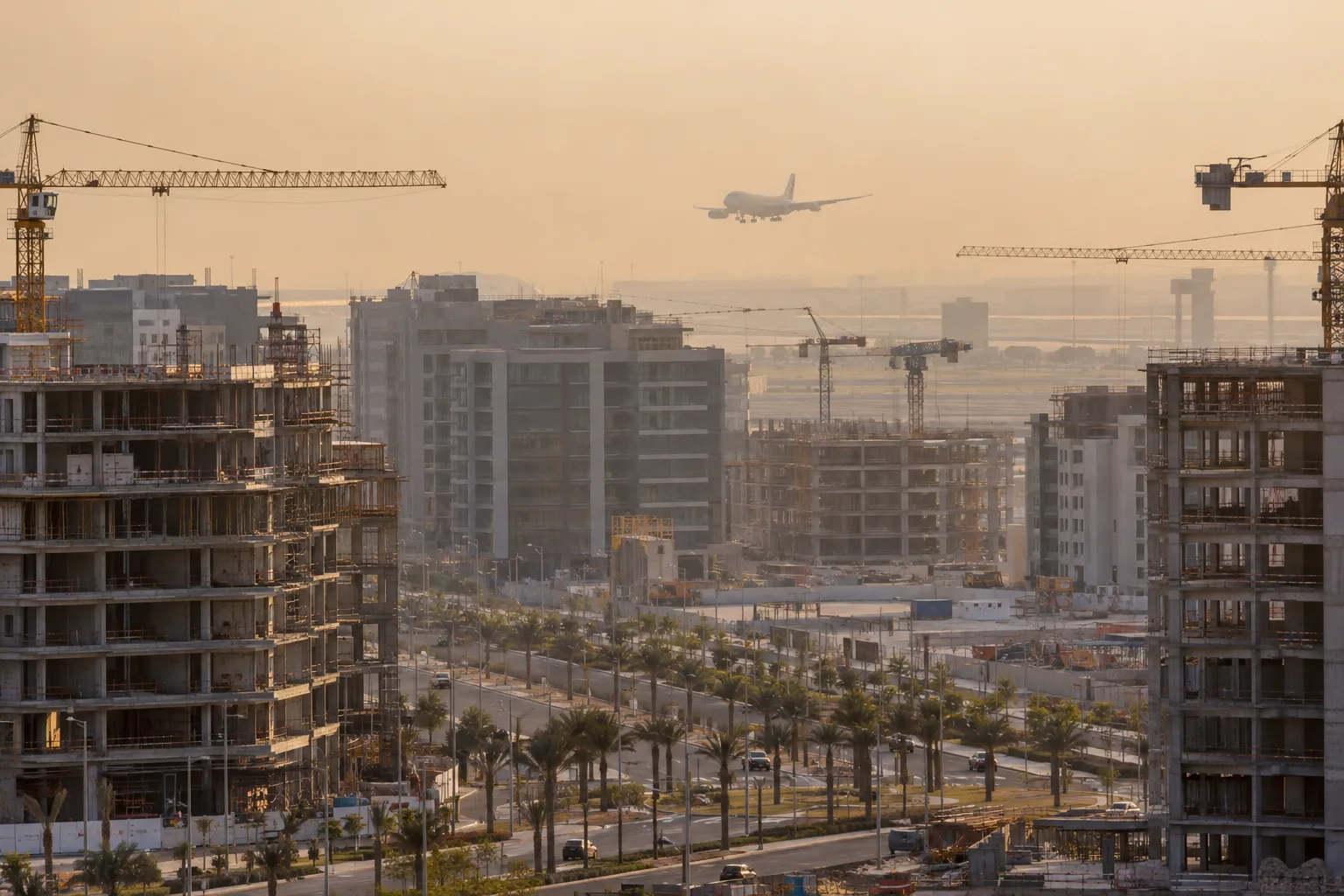
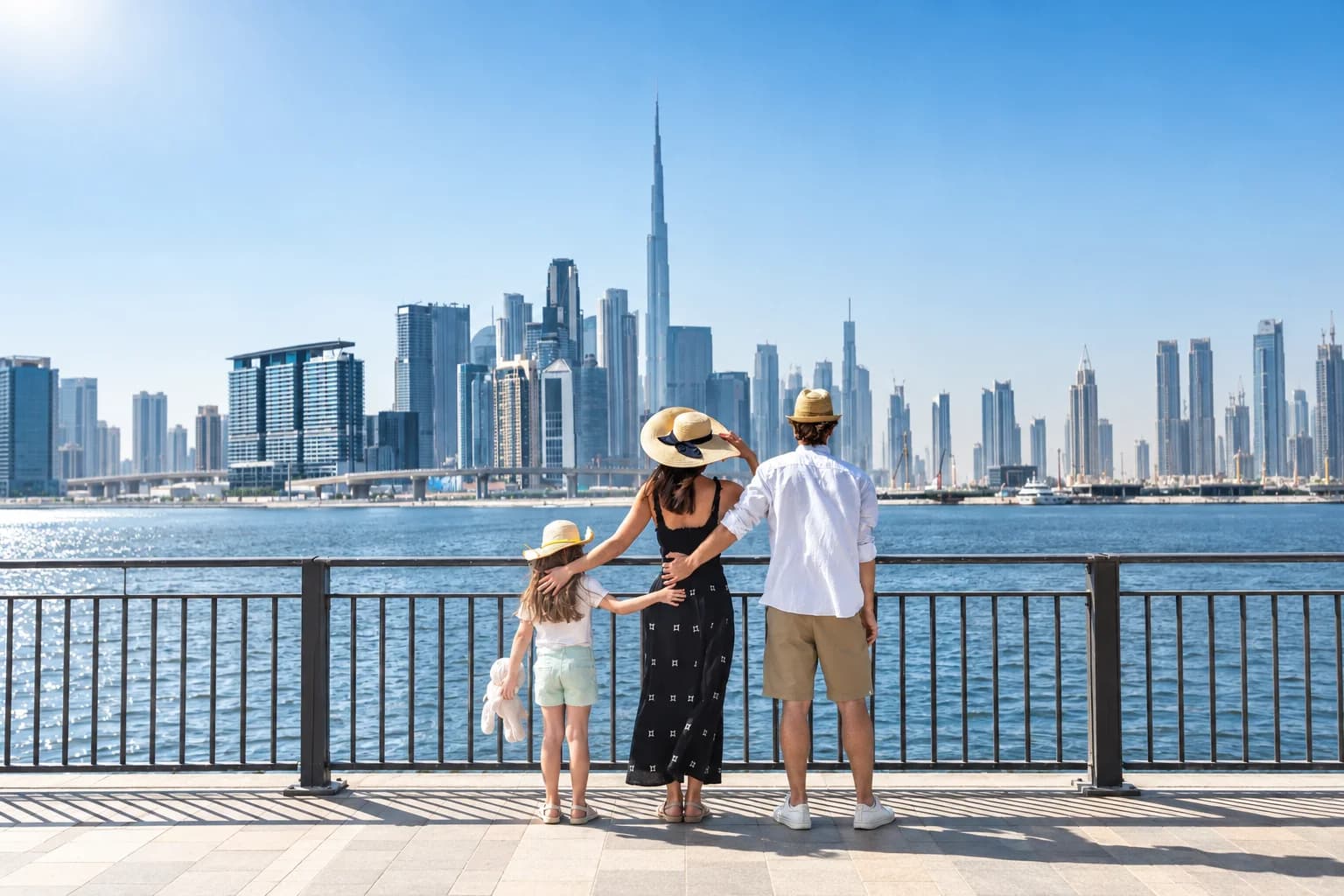
In a post published on 6 August 2026 on our Instagram account @lucretia_immobilier, we put into perspective one of the most tangible drivers of the Emirati property market: demographics. The message boils down to a staggering trajectory — 12,000 residents 144 years ago, 4.58 million today — and above all to one recent figure: 332,000 new residents gained in 2025 alone. A momentum that puts Dubai ahead of the targets set by its own Urban Master Plan 2040, launched by the government of the United Arab Emirates in March 2021.
@lucretia_immobilier · 6 August 2026
144 years to go from 12,000 to 4.58 million residents. But the real figure to remember is this one: +332,000 in 2025 alone. 📈 What few people know is that Dubai has an official plan for 2040… and at the current pace, the city is already ahead of its own forecasts. When a population grows faster than expected, housing demand follows. And supply always takes time to catch up. Get in touch with us for any question about real estate in the Emirates. #ImmobilierDubai #InvestissementImmobilier #DubaiRealEstate #InvestirADubai #DubaiExpat
Key takeaways
- Dubai had around 12,000 residents 144 years ago and counts 4.58 million in 2026, according to the Lucretia post of 6 August 2026.
- The city gained 332,000 new residents in 2025, a population increase of more than 7.5% in a single year.
- During the day, with workers, tourists and students, the present population can reach 6.5 million people.
- Dubai's Urban Master Plan 2040, unveiled in March 2021, targets 5.8 million residents by 2040, up from 3.3 million in 2020.
- Dubai posts economic growth above 5.4% and welcomes nearly 20 million tourists a year, according to the same post.
Featured
View projects: DWTN Residences
From AED 2,271,477
Hand-picked new properties with end-to-end expert support.
View projects
Growth that already outpaces official forecasts
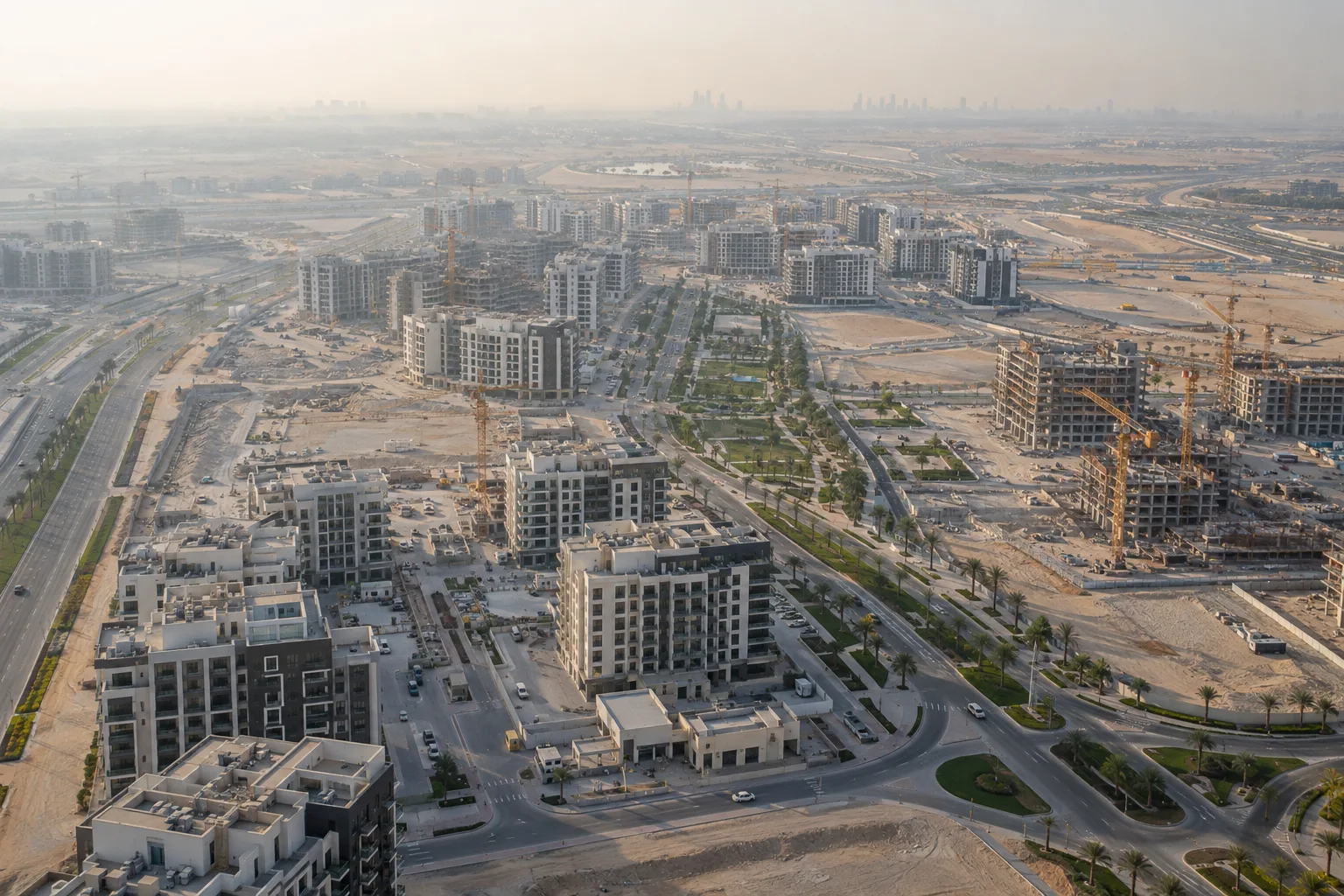
Dubai is moving faster than its own timeline. The Urban Master Plan 2040, the emirate's official roadmap, projects 5.8 million residents by 2040, up from 3.3 million in 2020. Yet at the pace observed — +332,000 residents in 2025 alone — the city could reach that target several years ahead of schedule. Our post sums it up plainly: Dubai is now ahead of its own forecasts.
This acceleration is not an isolated event: it rests on a diversified economy, growth above 5.4% and tourism approaching 20 million visitors a year. In other words, the massive influx of new residents comes hand in hand with real activity — jobs, businesses, tourist flows — rather than a mere speculative movement. This reading of the fundamentals is exactly what we lay out in our guide on the trends and outlook of the Dubai property market.
Demographics and housing: the mechanics of demand
When a population grows faster than expected, housing demand follows — and supply always takes time to catch up. That is the heart of the signal we wanted to convey. Every year, hundreds of thousands of newcomers need housing, whether they are families settling in for the long term, expatriates on assignment or executives drawn by the Emirati tax framework and quality of life.
For an investor, this naturally shifts the focus towards the segments where rental demand is structurally strong: established residential districts, seafront addresses such as La Mer, or the new urban hubs shaped by the 2040 Plan. Population growth does not guarantee any return in itself, but it provides a favourable backdrop for rental tightness and market liquidity on resale.
What it changes for the investor
At Lucretia, we read this figure of 332,000 new residents as an underlying indicator rather than a promise. A population growing by more than 7.5% in a year sustains steady housing demand, especially in a context where construction is progressing more slowly than arrivals. For the investor, this means a broad, constantly renewed pool of tenants, and a market where resale remains fluid as long as the momentum holds.
Added to this is the Emirati tax framework, which remains one of Dubai's main assets: in Dubai, individuals pay no tax on rental income or on property capital gains. We set out what a buyer actually bears — Dubai Land Department fees, service charges — in our guide on property taxation in Dubai.
That said, demographics never remove the need for rigorous selection: not all districts enjoy the same tightness, and the delivery schedule of new supply varies widely from one project to another. That is the role of our support, from strategy to handover. To assess whether this market suits your profile, we invite you to visit our page dedicated to investing in Dubai or to compare investment logics in our Dubai or Bali guide, matched to your profile.
Source: Original post on Instagram (@lucretia_immobilier) — 6 August 2026
Free guide, delivered on WhatsApp
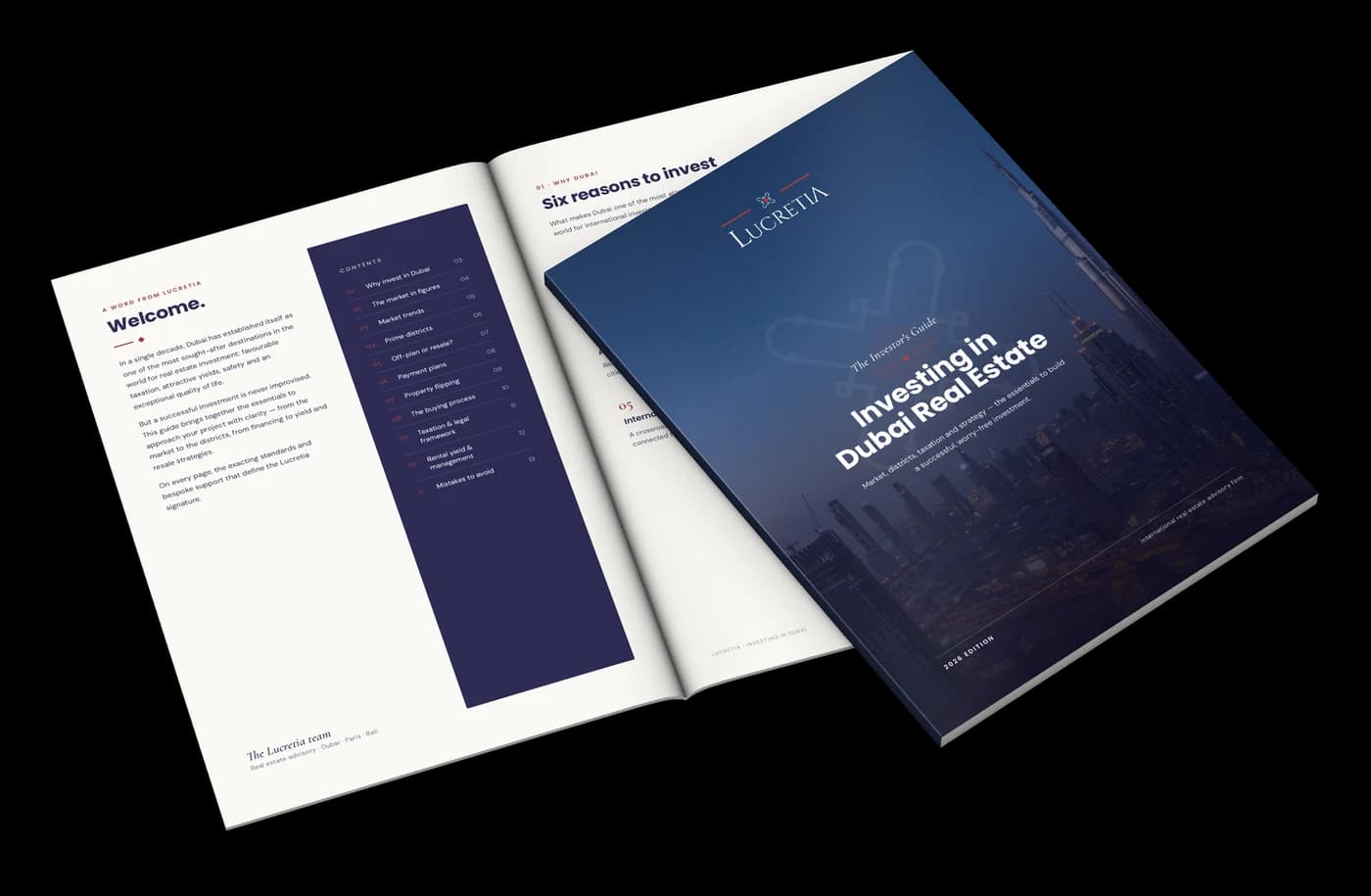
Get the guide "Investing in Dubai"
Taxation, visas, financing, buying steps: 14 pages written by our advisers, sent to your WhatsApp within minutes.
This article is part of our guide
Dubai Property Investment Guide for Foreign Buyers
About the author

Sofiane OULD
Founder & Chief Executive Officer
A visionary entrepreneur and recognized expert in Dubai's prestige real estate market, Sofiane began his career in Paris before joining major players in online real estate (SeLoger, MeilleursAgents, Airbnb). Based in Dubai since 2019, he quickly established himself as one of the city's top-performing brokers. Founder of Lucretia Immobilier, he now supports his clients with an approach combining integrity, innovation and excellence, thereby redefining the standards of luxury.