In a post published on 13 May 2026 on our Instagram account, we reminded readers that Dubai does not follow its era: it sets it. An angle that resonates with the market records posted in early 2026.
On this page
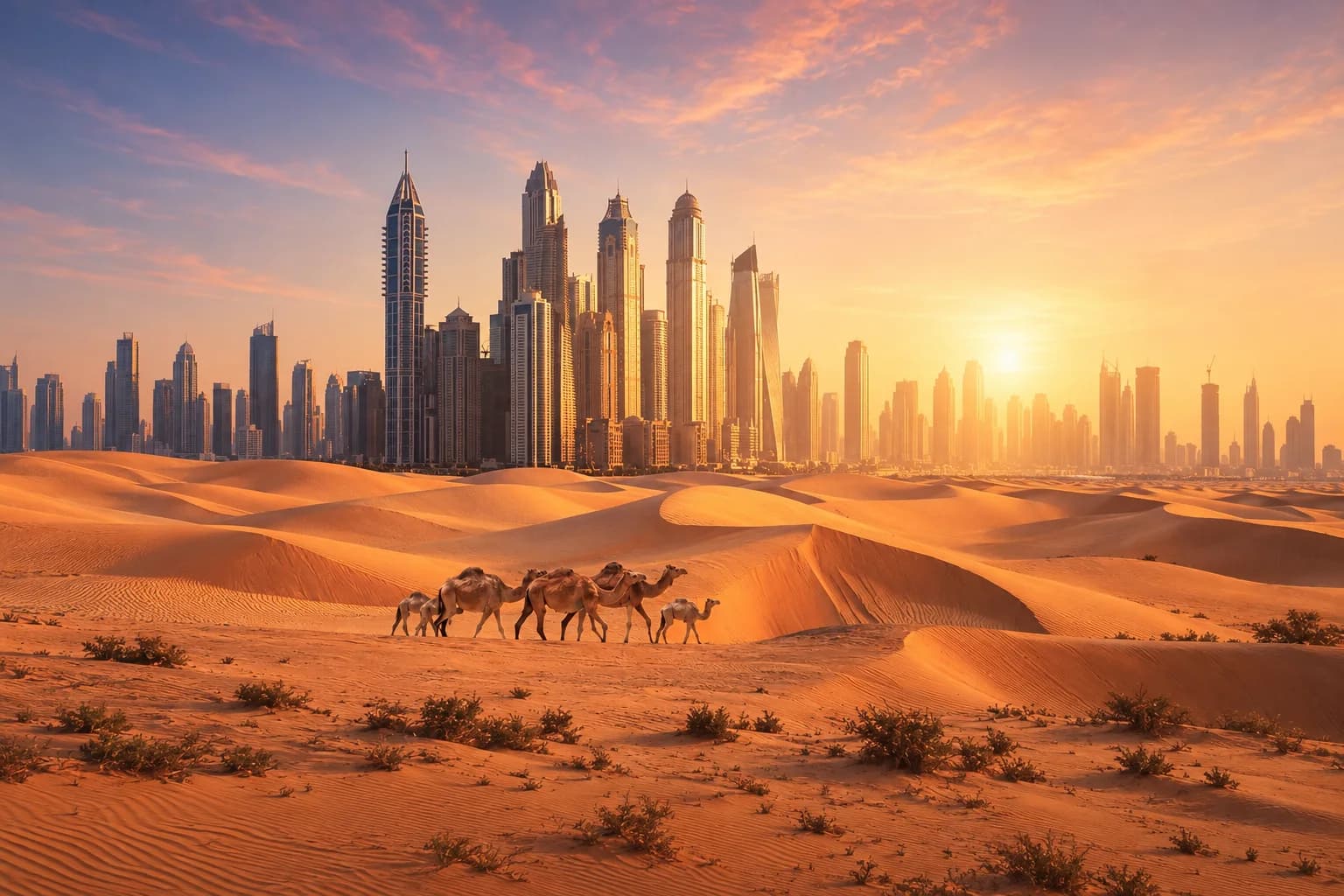
In a post published on 13 May 2026 on our Instagram account (@lucretia_immobilier), we captured in a single image what makes Dubai singular: where other cities follow their era, the emirate sets its own. A photomontage juxtaposed a camel caravan crossing the dunes with the contemporary skyline of Dubai Marina, bathed in golden light — a "before / after" of a metropolis born from the desert in a single generation. Beyond the image, this vision of a "shifting horizon" aligns with hard numbers: in the first quarter of 2026, Dubai's real estate market posted fresh records, driven by an unprecedented delivery pipeline.
@lucretia_immobilier · 13 May 2026
Some cities follow their era. Dubai sets its own. What you admire today did not exist yesterday. What does not yet exist is already on the drawing board. A vision held firm. A horizon in motion. — Lucretia Immobilier Real estate investment advisory — Dubai & Abu Dhabi. To discuss your project, in complete confidence: DM. . . . #dubai #investirdubai #immobilierdubai #francophonedubai #lucretiaimmobilier
The essentials
- According to the Dubai Land Department (DLD), Dubai's real estate transactions reached AED 252 billion in the first quarter of 2026, up 31% year-on-year in value and 6% in volume.
- Dubai recorded AED 686.8 billion in property sales over the whole of 2025, the highest annual figure ever reached, across 215,736 transactions (+18.7% in volume).
- The rental sector grew in 2025: the DLD counts 1.38 million rental contracts, up 6% in volume and 17% in value, for a total of AED 126.4 billion.
- The city enters 2026 with a substantial pipeline of new deliveries, estimated at around 120,000 units expected over the year.
- The Lucretia post referenced dates from 13 May 2026 and illustrates Dubai's urban transformation, from the desert to the Dubai Marina skyline.
Featured
View projects: Dubai Harbour Residences
From AED 7,168,667
Hand-picked new properties with end-to-end expert support.
View projects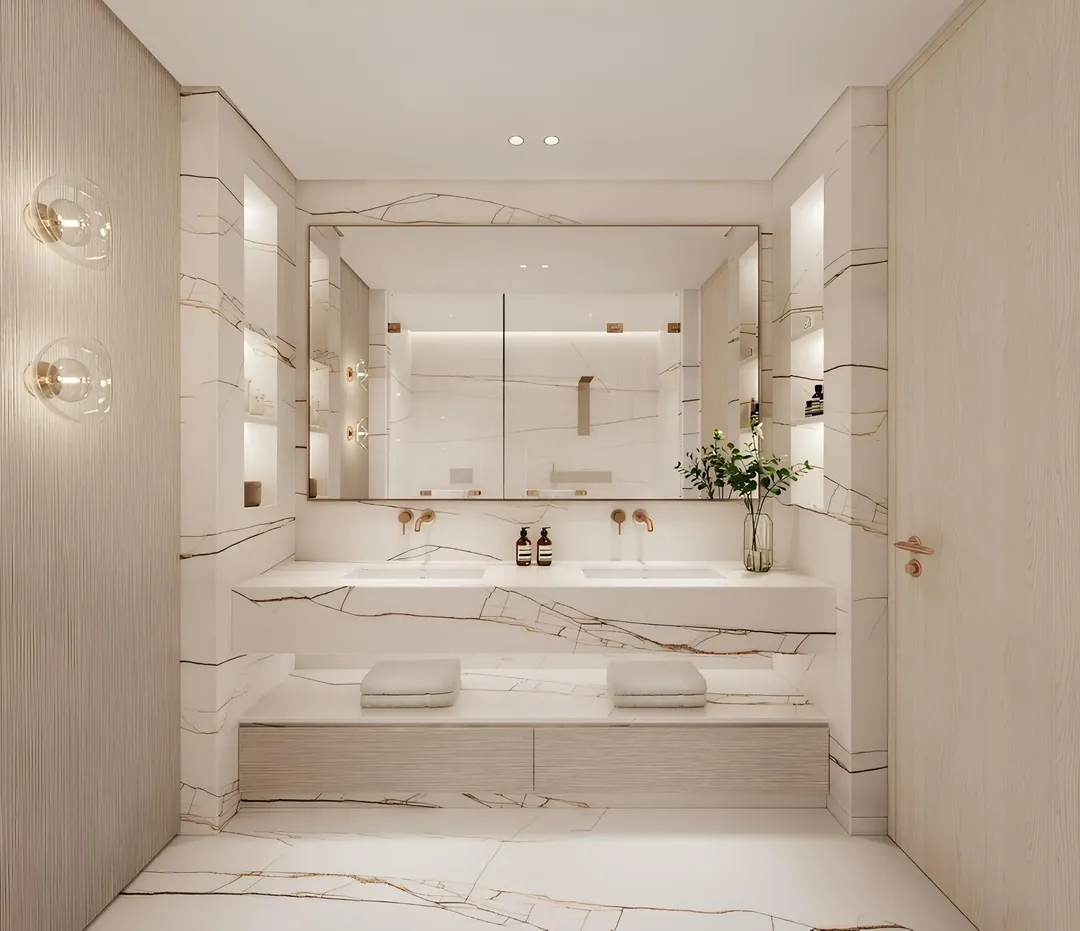
A city that builds its future before living in it
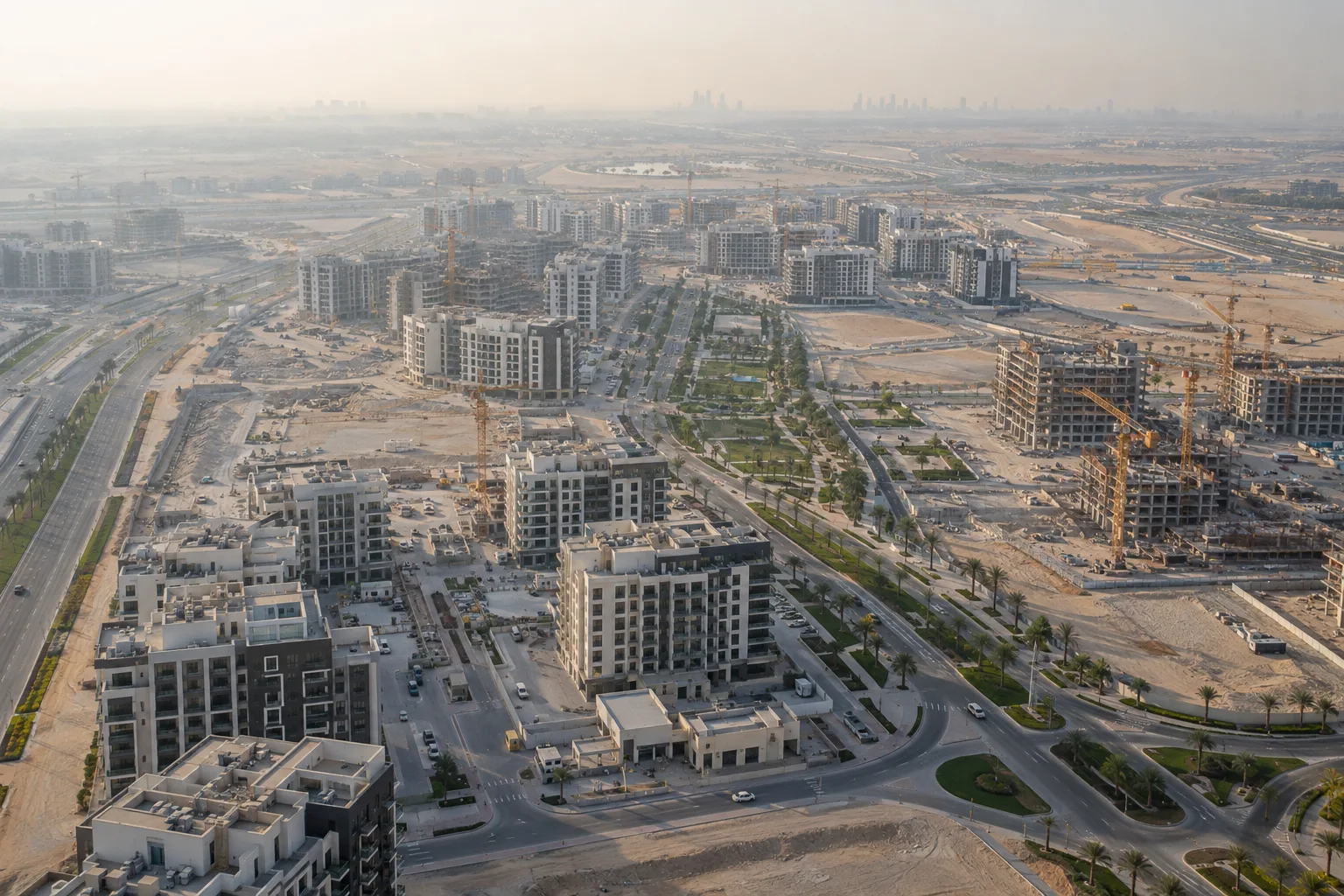
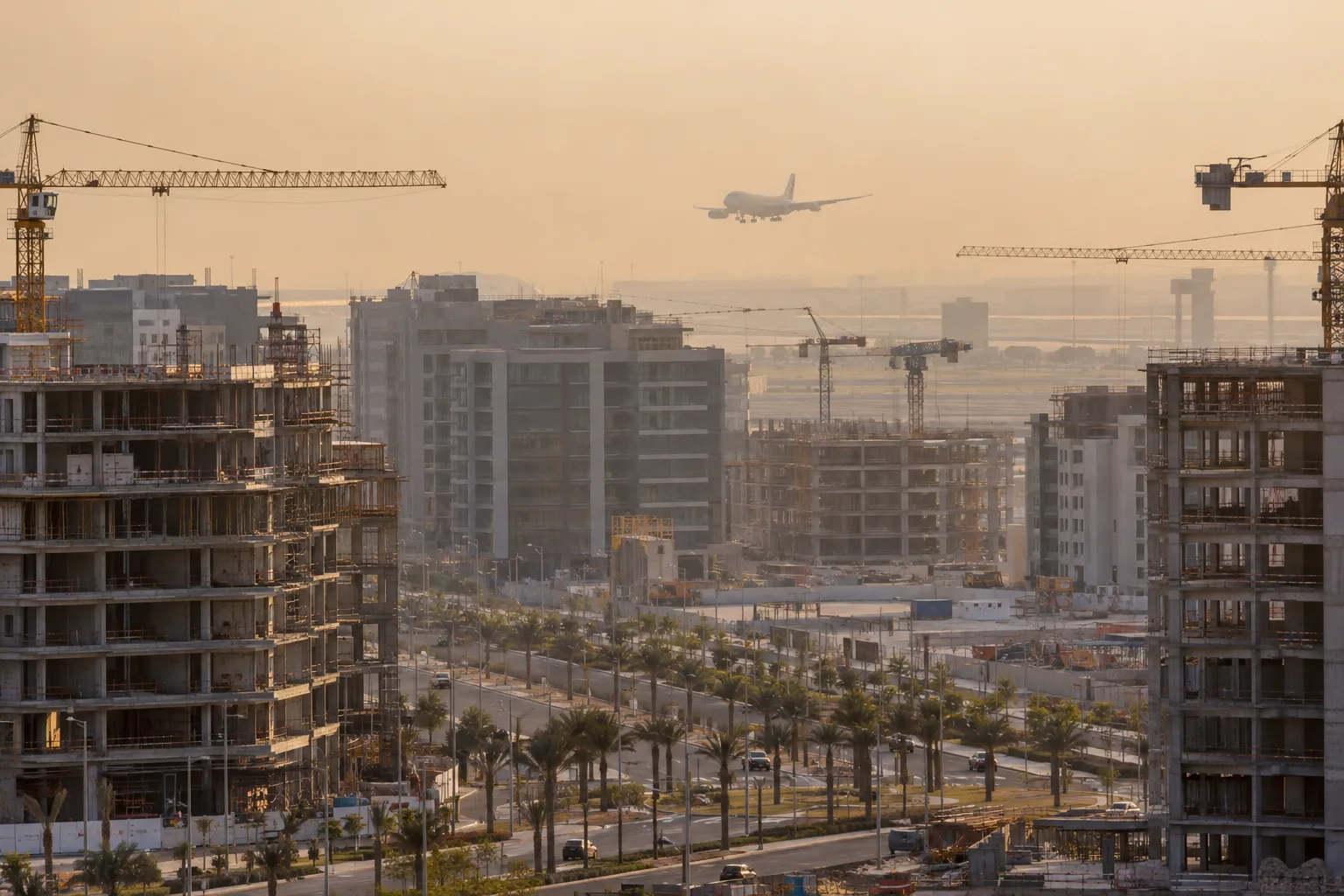
The message of our post holds in a single sentence: in Dubai, what you admire today did not exist yesterday, and what does not yet exist is already under study. This continuity of public and private commissioning shows up in the numbers. Dubai's real estate market does not run on isolated speculative bursts: it moves forward on long-term planning, with entire neighbourhoods rising from the ground and then filling up as new residents arrive.
The pace of delivery illustrates this foresight. With roughly 120,000 units expected in 2026, new supply continuously feeds a market where rental demand remains robust. For an investor, the question is not whether Dubai is building, but where and when to position within this cycle.
Market records that extend the vision
Dubai Land Department data confirms the scale of the movement. After a record 2025 — AED 686.8 billion in sales across nearly 216,000 transactions — the first quarter of 2026 kept up the momentum with AED 252 billion changing hands, a 31% year-on-year rise in value. The rental market follows suit: 1.38 million contracts registered in 2025, up 17% in value.
This twin dynamic, sales and rentals, matters for anyone targeting yield. A market where rental values climb faster than the volume of contracts reflects genuine pressure on demand. This is what we detail in our analysis of investing in Dubai, where taxation and the legal framework round out the picture.
What it changes for the investor
What we take from this "before / after" image goes beyond aesthetics: it reminds us that in Dubai, an investor buys an urban trajectory as much as a property. A neighbourhood can change status within a few years, and with it the tenant profile as well as the resale potential. In Dubai Marina, the neighbourhood that epitomises this skyline, rental demand remains one of the deepest in the emirate — but each micro-market has its own maturity timeline, which we map out before any commitment.
On the tax side, the case remains compelling: in Dubai, individuals pay no tax on rental income or on property capital gains. Combined with gross yields historically higher than those of major European capitals, this advantage explains part of the influx of capital. We set out this framework in our guide to Dubai property taxation.
That said, "the city that sets its own era" is not a uniform market. The pipeline of 120,000 units also creates pockets of tension between supply and demand depending on the segment. Our role at Lucretia is to tell the promising new-build from the oversupplied new-build, and to tune the strategy to each profile — which we also compare with other destinations in our guide Dubai or Bali.
Source: Original post on Instagram (@lucretia_immobilier) — 13 May 2026
Free guide, delivered on WhatsApp
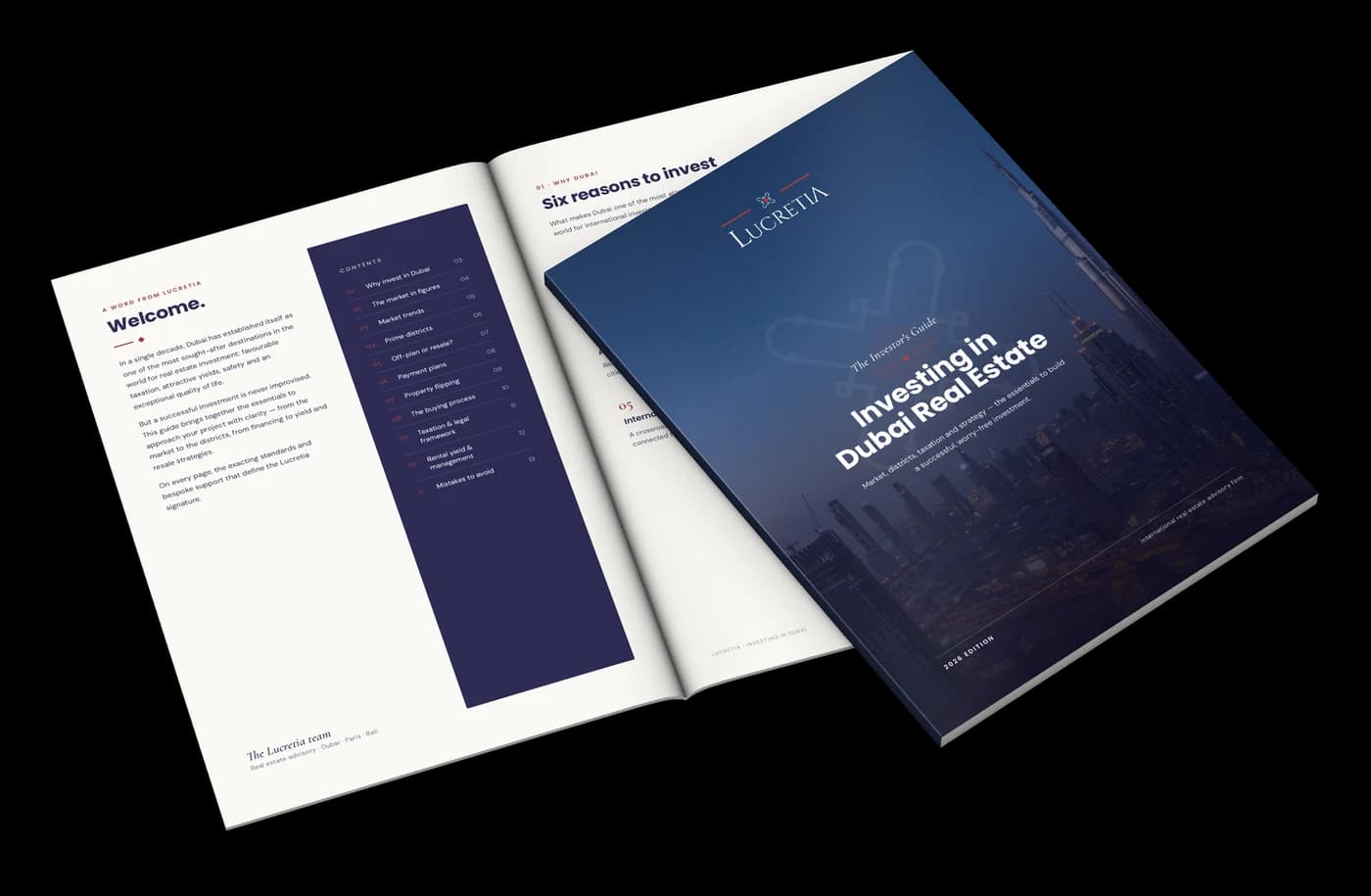
Get the guide "Investing in Dubai"
Taxation, visas, financing, buying steps: 14 pages written by our advisers, sent to your WhatsApp within minutes.
This article is part of our guide
Dubai Property Investment Guide for Foreign Buyers
About the author