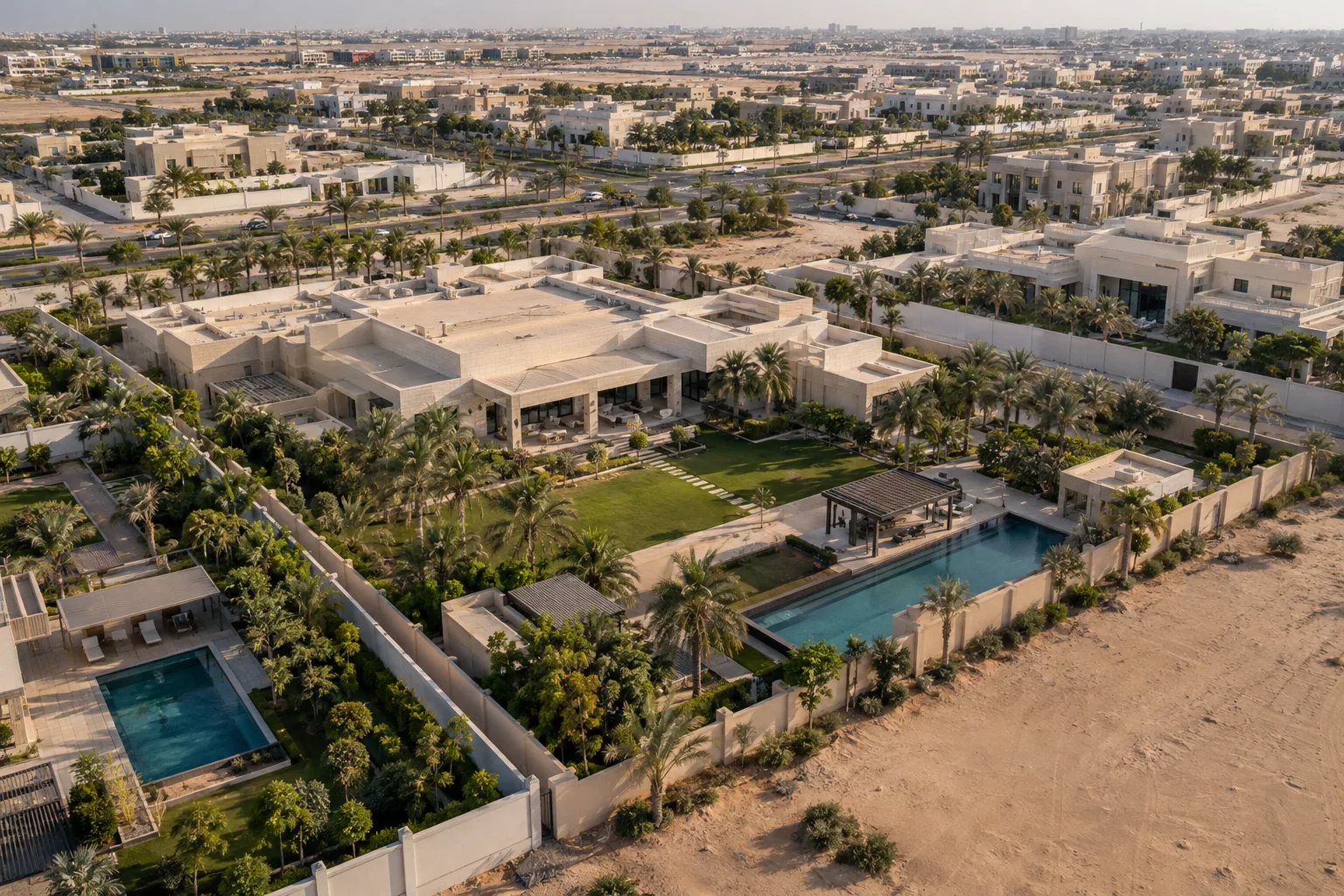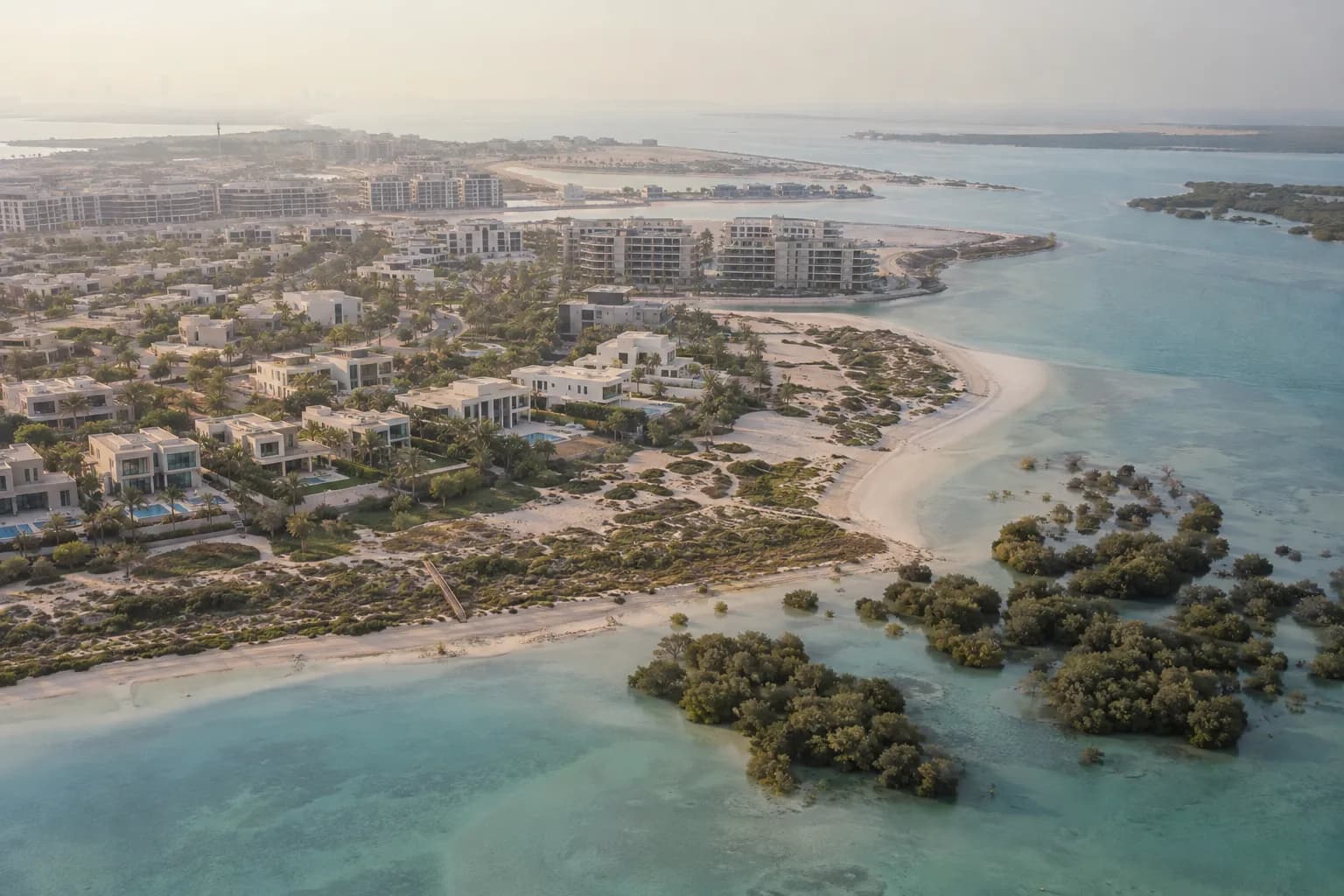
In July 2026, Abu Dhabi widened the areas where non-resident investors can buy property outright. A strong signal for foreign capital, and fresh opportunities for a UAE real estate portfolio.
On this page
In July 2026, Abu Dhabi took another step forward in opening up to foreign capital: the emirate expanded the zones where non-resident investors can acquire property outright (freehold), with a title deed in their own name. The move extends a trajectory begun in 2019, when the emirate's real estate law was amended to allow foreigners to access freehold ownership in designated "investment zones." In practical terms, homes located within these areas can now be registered under full ownership, with a title issued to the investor. For anyone considering Abu Dhabi, the question is no longer "can I buy?" but "where, and how do I structure the acquisition?"
From leasehold to freehold: what changed in Abu Dhabi
Before the reforms that began in 2019, foreign investors in Abu Dhabi were largely confined to long-term rights (leasehold, usufruct), without full ownership. The turning point came with the amendment to the emirate's real estate law, which allowed non-nationals to buy freehold in designated investment zones, with a title deed equivalent — within those areas — to the one held by Emirati nationals. The July 2026 expansion follows the same line: it widens the map of eligible districts and confirms Abu Dhabi's strategy to attract foreign direct investment.
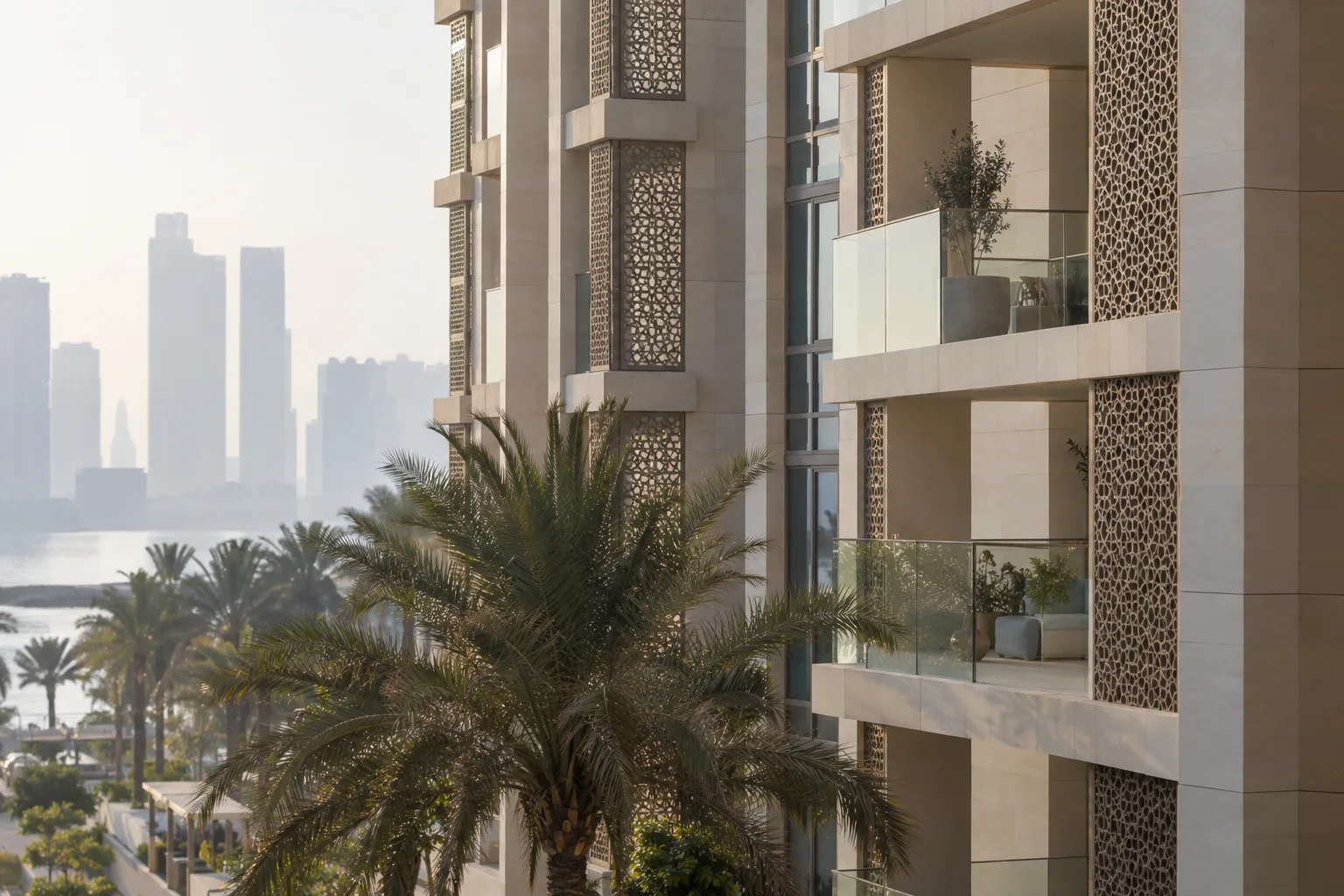
The distinction is anything but theoretical. Freehold means full and outright ownership: you hold the property and the land, and you can pass it on, rent it out and resell it freely within the limits of the local framework. It is the regime that best secures cross-border wealth and makes a future resale smoother with an international clientele. At Lucretia, we treat this as a foundational point: the exact nature of the right acquired shapes the entire wealth strategy, well before the choice of neighbourhood or project.
Free guide, delivered on WhatsApp
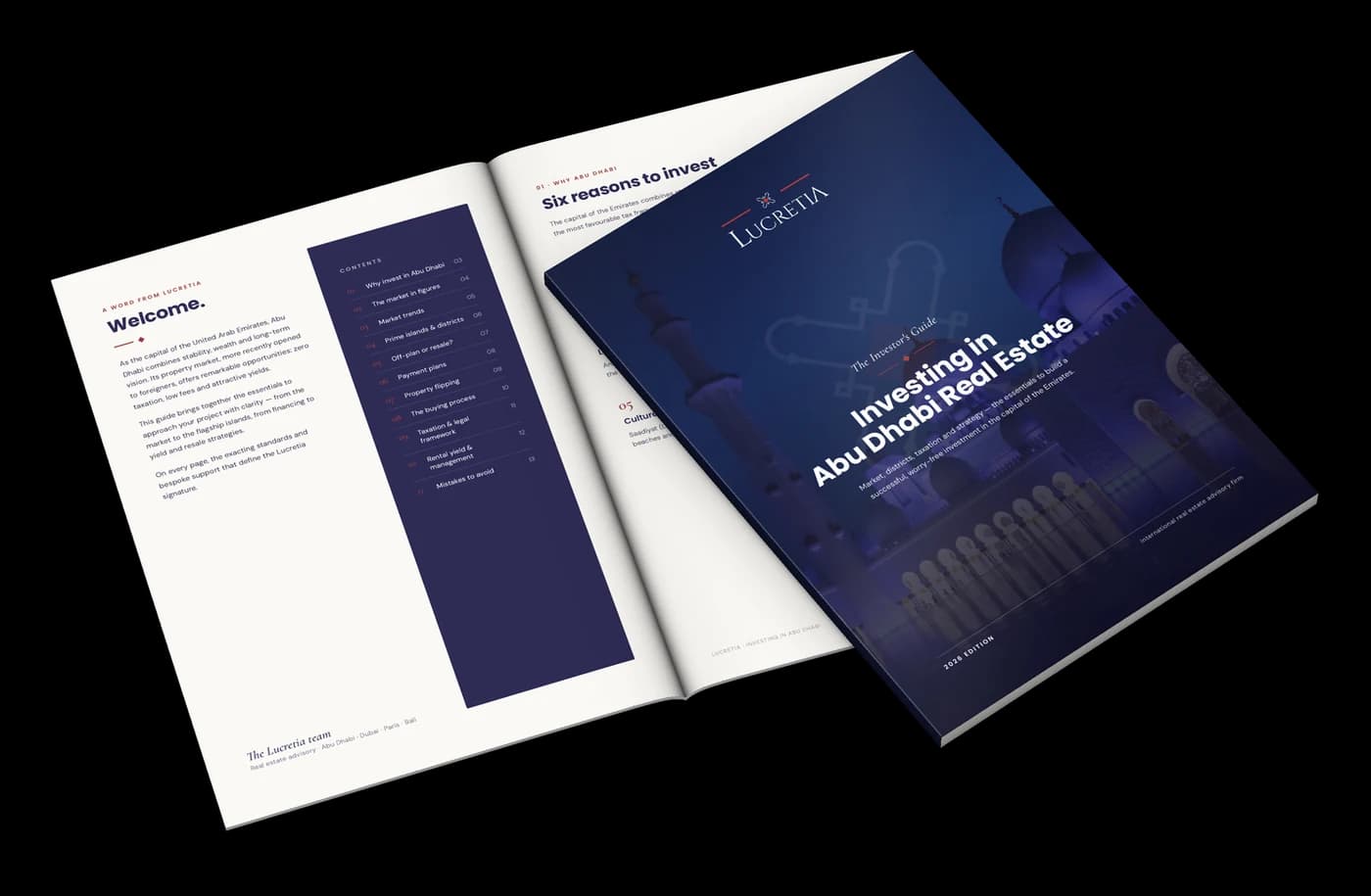
Get our investment guide
Taxation, visas, financing, buying steps: 14 pages sent to your WhatsApp within minutes.
Where to buy: mapping the new opportunities
Abu Dhabi is not opening the entire emirate to freehold: access remains limited to designated investment zones, and buying outside those areas is not possible for a foreigner. This is precisely where on-the-ground advice proves its worth. Each zone has its own profile: positioning, property types, rental dynamics, delivery timelines for off-plan developments. The July 2026 extension reshuffles the deck by adding districts that were previously off-limits for full ownership.

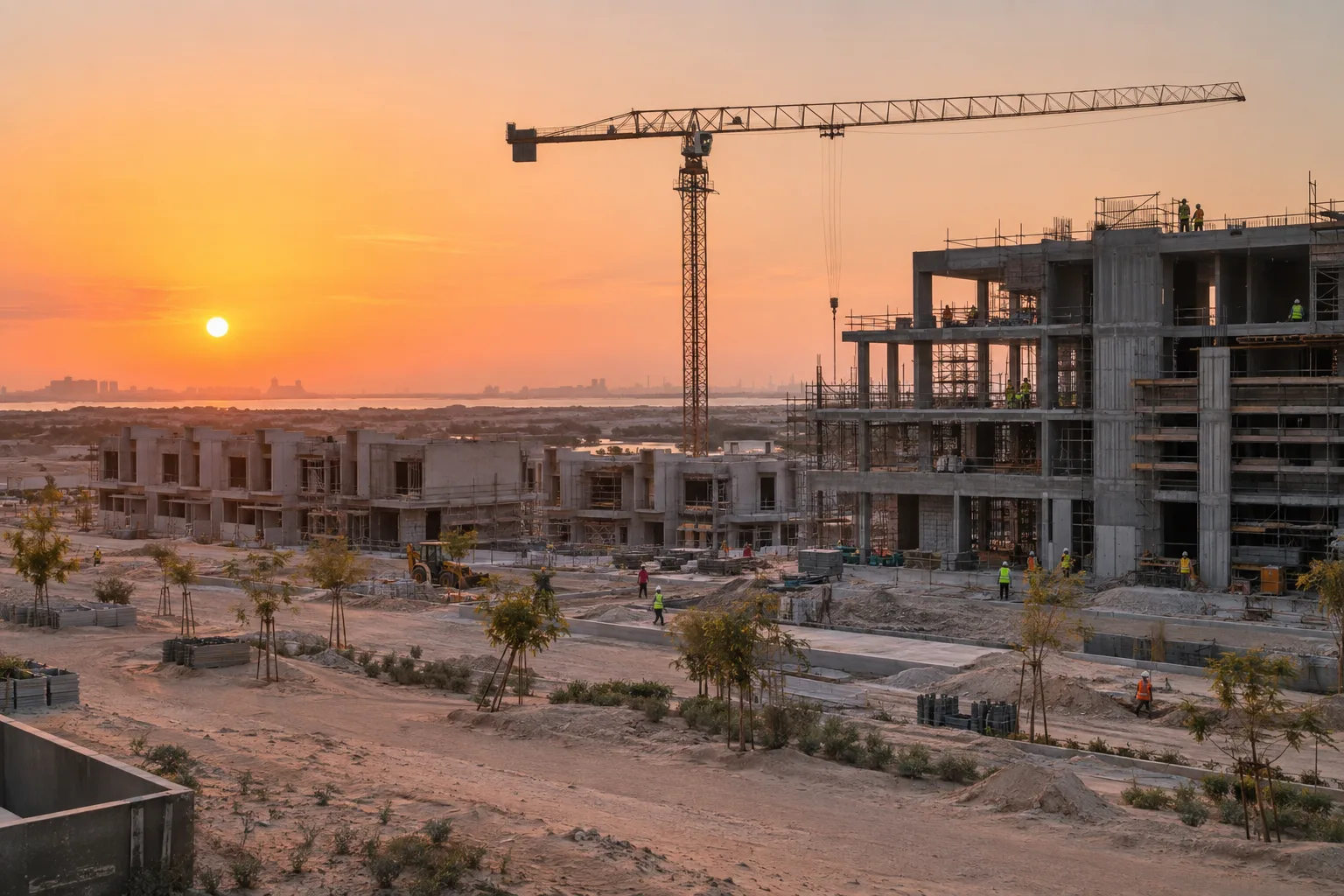
Our approach isn't to rush toward the most talked-about zone, but to match an objective — a home, rental income, long-term capital growth — with the district and property type that serve it best. An investor chasing rental yield won't look at the same locations as a family seeking a place to live. Lucretia draws on its local presence in the Emirates and its legal partners to verify, project by project, freehold eligibility, the developer's reputation and the soundness of the structure.
What it changes for an investor
The first benefit is taxation. In Abu Dhabi, as across the United Arab Emirates, individuals pay no tax on rental income or on real estate capital gains. Combined with full ownership, this tax framework makes the emirate a particularly transparent place to build a rental portfolio or prepare for a resale.
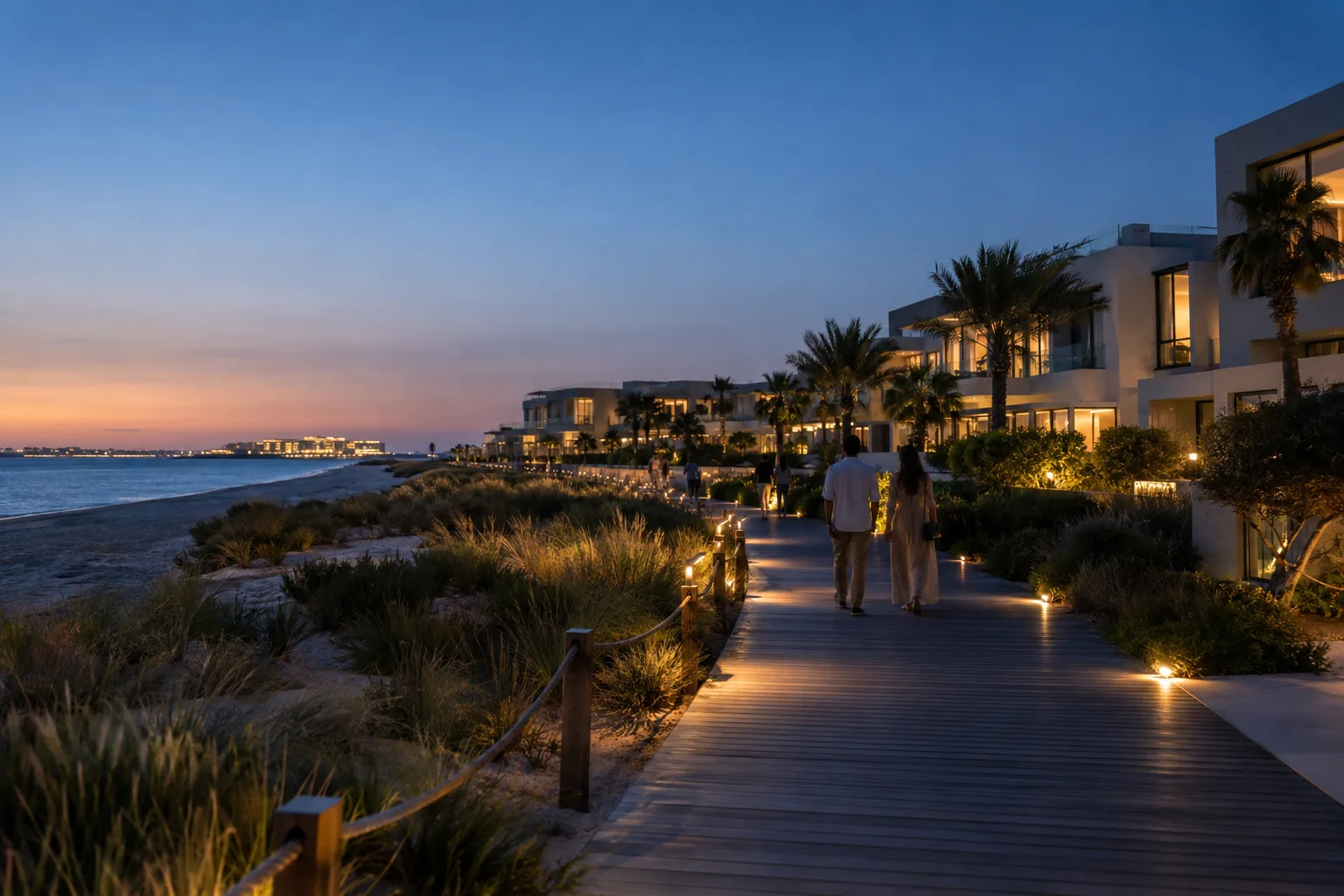
The second lever is the title deed itself. Holding a property in freehold, with a title in your own name, makes it easier to pass on, to rent out and to exit the capital when the time comes. It is also a gateway to the UAE's long-term residence schemes, access to which can be tied to a property investment — a point to frame precisely according to the value of the asset and each individual's situation.
A word of common sense is nonetheless in order: expanding the zones is not the same as guaranteed returns. The entry price, the quality of the location, the developer's track record and the delivery timeline remain decisive. We never present a figure as a given; we secure every step, from the wealth review to the handover of keys. For an investor, the July 2026 opening above all widens the range of possible choices — the challenge is to rank them. That is exactly what tailored guidance is for, and it is what Lucretia builds destination by destination, case by case.
Source: zawya.com — 2026-07
This article is part of our guide
Abu Dhabi Property Investment Guide: Buy, Let and Resell with Confidence
About the author

Jean-Pierre MARTINI
Director of Technology & Innovation
With over 15 years of experience in corporate strategy, marketing and project management, Jean-Pierre has helped dozens of companies with their business development across several industries. An entrepreneur by training, he founded and led several companies, ranging from specialized retail to innovative digital solutions. Since 2021, he has turned his focus to real estate and the Dubai market, advising investors on their wealth strategies. Currently at Lucretia, his role includes managing technological innovation, optimizing business processes, and developing team skills. He also ensures client follow-up and provides personalized strategic advice to investors.