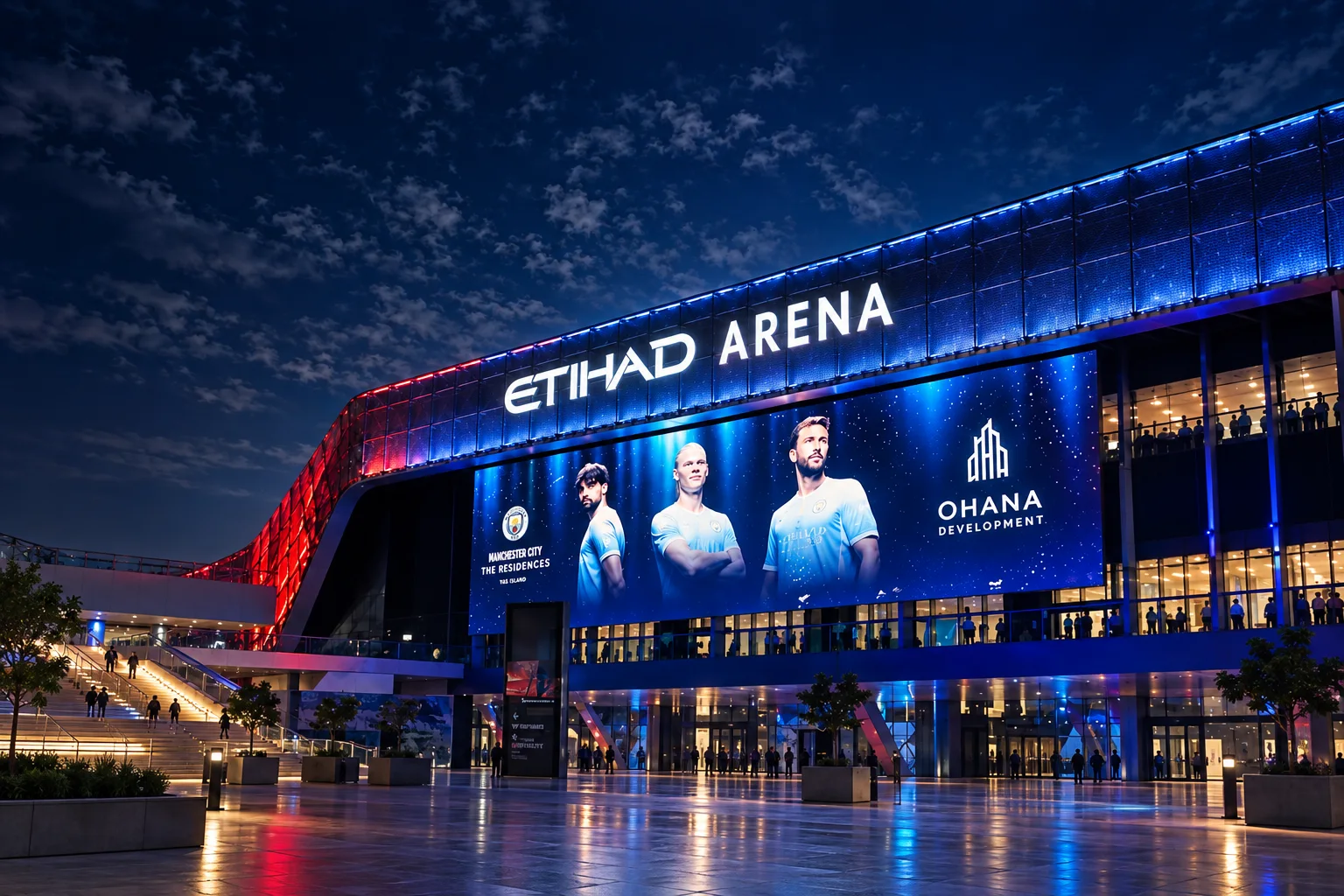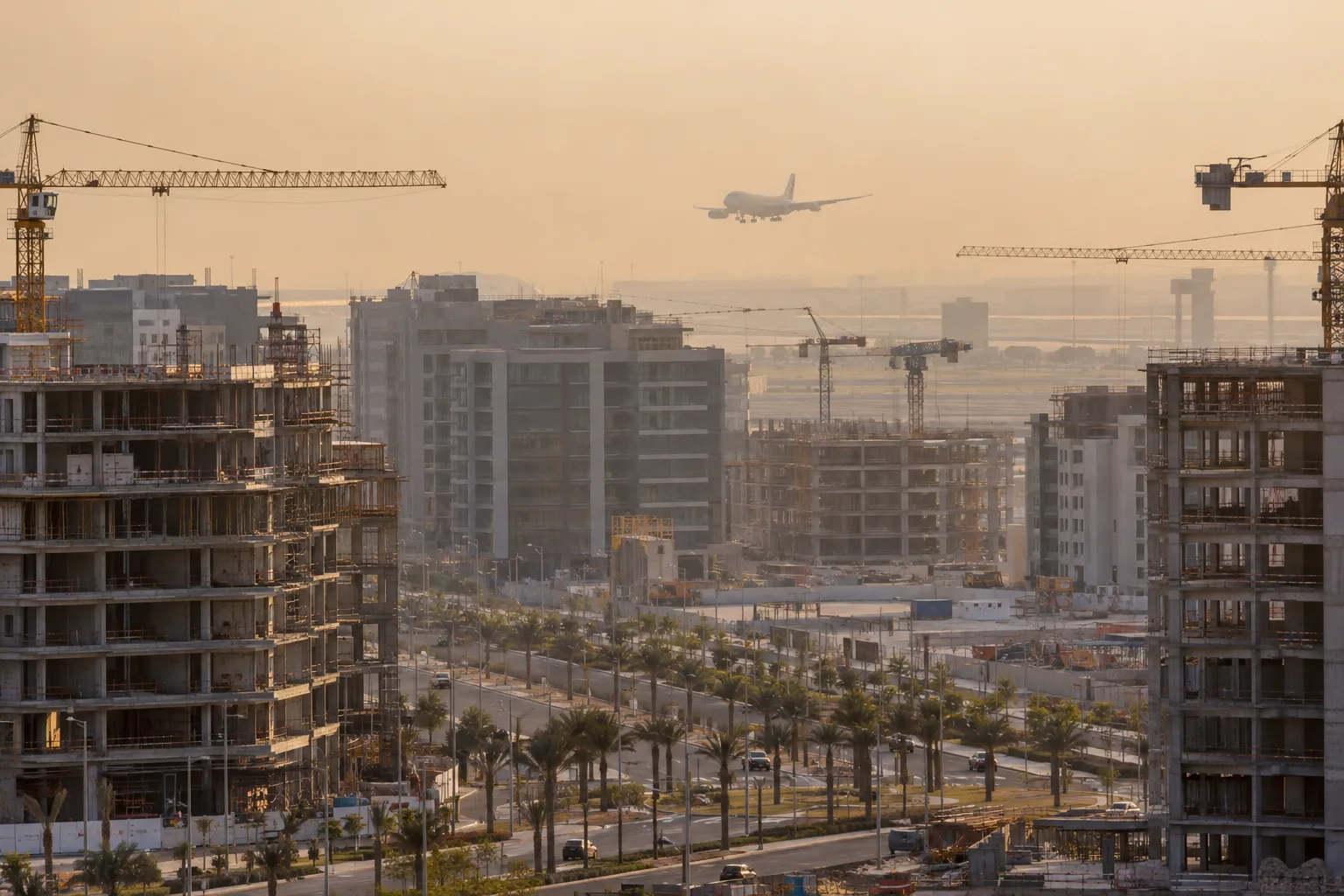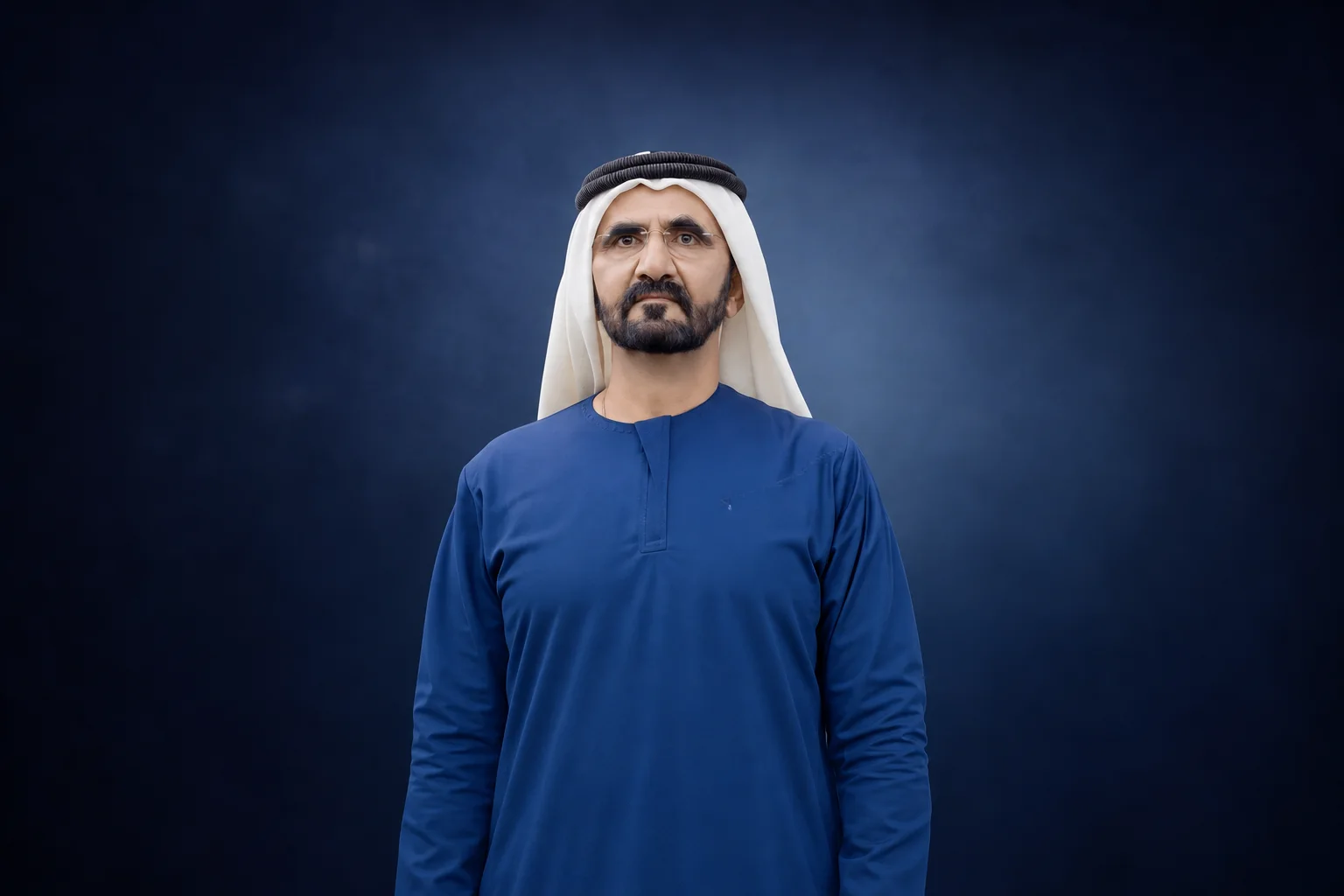
On 15 July 2026, Lucretia paid tribute on Instagram to Dubai's ruler, Sheikh Mohammed bin Rashid Al Maktoum. A chance to revisit, as investors, the trajectory of a city and the plan shaping its decade.
On this page
In a post published on 15 July 2026 on our Instagram account, Lucretia celebrated the birthday of Dubai's ruler, Sheikh Mohammed bin Rashid Al Maktoum. Born in 1949 in a house on the banks of the Dubai Creek, at a time when the city was still just a small fishing port, he carried a vision that turned a stretch of desert into one of the great urban success stories of our era. Behind the tribute lies something very concrete for anyone investing here: a city that builds fast, according to a plan written in advance, and a population that swells year after year. That is why this birthday interests us well beyond the symbol.
@lucretia_immobilier · 15 July 2026
🎂 Today, Dubai celebrates the birthday of its ruler, Sheikh Mohammed bin Rashid Al Maktoum. From a small fishing port to one of the greatest urban success stories of our time: the Burj Khalifa, the Palm Islands, the Dubai Mall, and soon the largest airport in the world. A vision that has never stopped reshaping the future of this city. At Lucretia, we're proud to support that vision, day after day, alongside our clients. Happy birthday, Sheikh Mohammed 🇦🇪 #Dubai #SheikhMohammed #UAE #DubaiRealEstate #Vision2040
Key takeaways
- Sheikh Mohammed bin Rashid Al Maktoum, ruler of Dubai and Vice-President of the United Arab Emirates, was born in 1949 on the banks of the Dubai Creek.
- Dubai's population grew from 1.7 million in 2009 to more than 3.7 million in 2026, according to the Lucretia post of 15 July 2026.
- The Dubai 2040 Urban Master Plan was announced in March 2021 by Sheikh Mohammed bin Rashid Al Maktoum and is the emirate's seventh development plan since the 1960s.
- The Dubai 2040 plan aims, among other things, to double green and recreational spaces and to develop residential communities for a range of income levels.
- The new Al Maktoum airport, set to become the largest in the world, is under construction in the south of the city, within the Dubai South development.
From a fishing port to a global capital: a legible trajectory
Dubai's strength comes down to one thing: what has been built here in a few decades takes most cities a century to achieve. The Burj Khalifa, the world's tallest tower, the Palm Islands, a unique feat of engineering, and the Dubai Mall, one of the busiest shopping centres on the planet, all mark this acceleration. For an investor, the lesson is not nostalgic but methodological. A city that delivers its major projects creates value where the infrastructure arrives, on a timeline you can anticipate.
This momentum comes with a clear framework for foreign capital. Since 2002, Dubai has allowed freehold ownership by non-residents in designated areas, and taxation remains a major draw. We explain these mechanisms in our guide on the trends and outlook of the Dubai property market.
The Dubai 2040 plan: what it reshapes for the decade
The Dubai 2040 plan is the document that shapes the city's future today. Announced in March 2021 by Sheikh Mohammed bin Rashid Al Maktoum, it is the emirate's seventh development plan since the 1960s and sets the course for twenty years. Its objectives are concrete: upgrade existing urban areas, double green and recreational spaces, develop neighbourhoods designed for a range of income levels, and strengthen sustainable mobility.
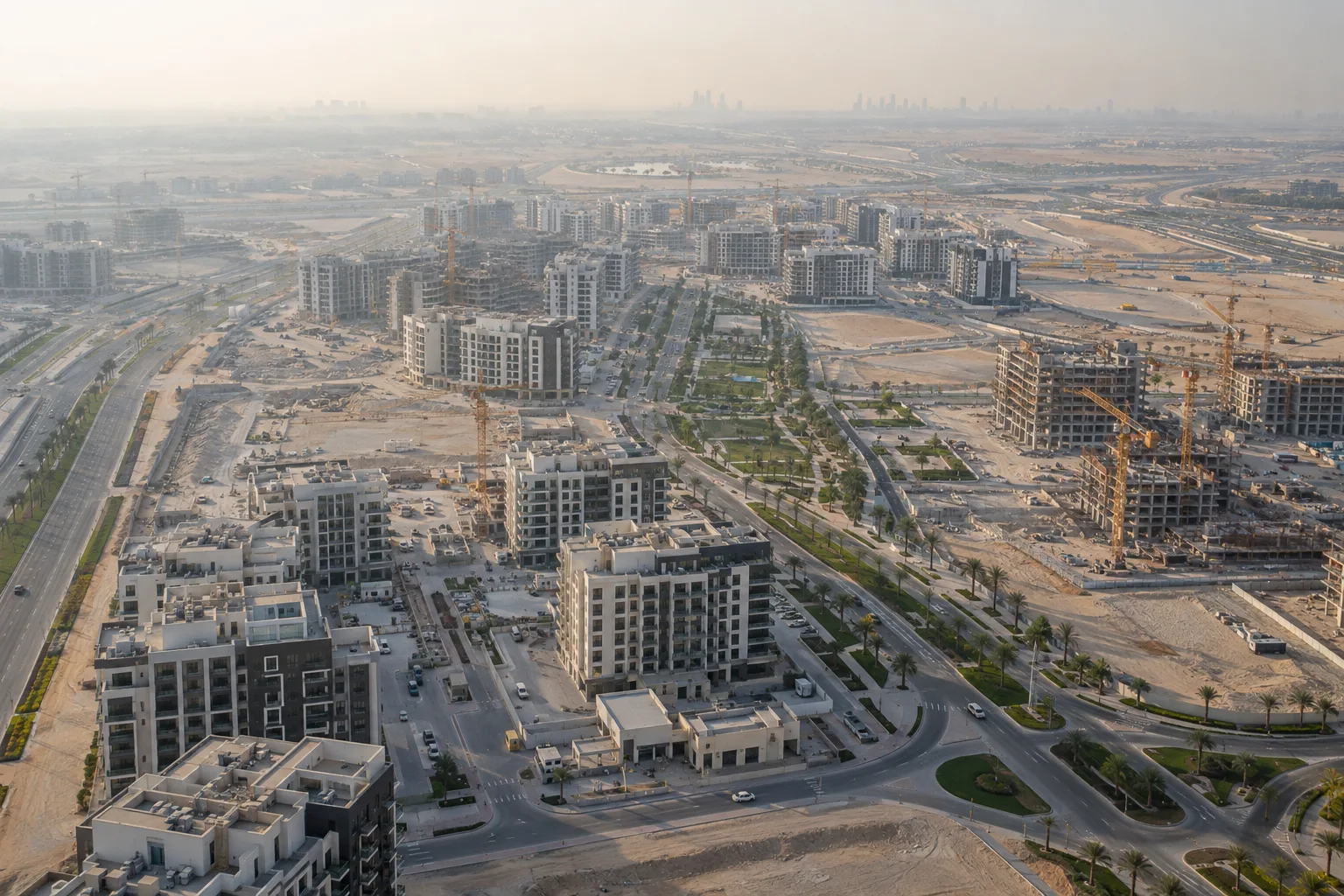
The south of the city concentrates much of this ambition. It is here, within the Dubai South development, that the new Al Maktoum airport is being built, set to become the largest in the world. This kind of structuring infrastructure is precisely what shifts a metropolis's growth areas over the long term: new employment hubs, new connections, new residential communities.
What it means for the investor
What we take away from this trajectory at Lucretia is that in Dubai the infrastructure timeline and the demographics pull in the same direction. A population rising from 1.7 million in 2009 to more than 3.7 million in 2026 creates structural rental demand: more residents to house in Dubai means a market depth that few cities can offer. That guarantees no yield in itself — an asset is chosen one at a time — but it sets up a favourable context for buy-to-let investment.
The tax framework remains one of the decisive advantages. In Dubai, individuals pay no tax on rental income or on property capital gains. To understand exactly what really weighs on an acquisition budget, between transfer fees and charges, see our guide on property taxation in Dubai.
The next step is turning this vision into a concrete decision: which neighbourhood, which resale horizon, which wealth objective. That is our profession. We support this thinking on the ground, from strategy to handover of the keys, as our approach on the investing in Dubai page shows, and we help position this market against others through our comparison Dubai or Bali: which market for which profile.
Source: Original post on Instagram (@lucretia_immobilier) — 15 July 2026
Free guide, delivered on WhatsApp
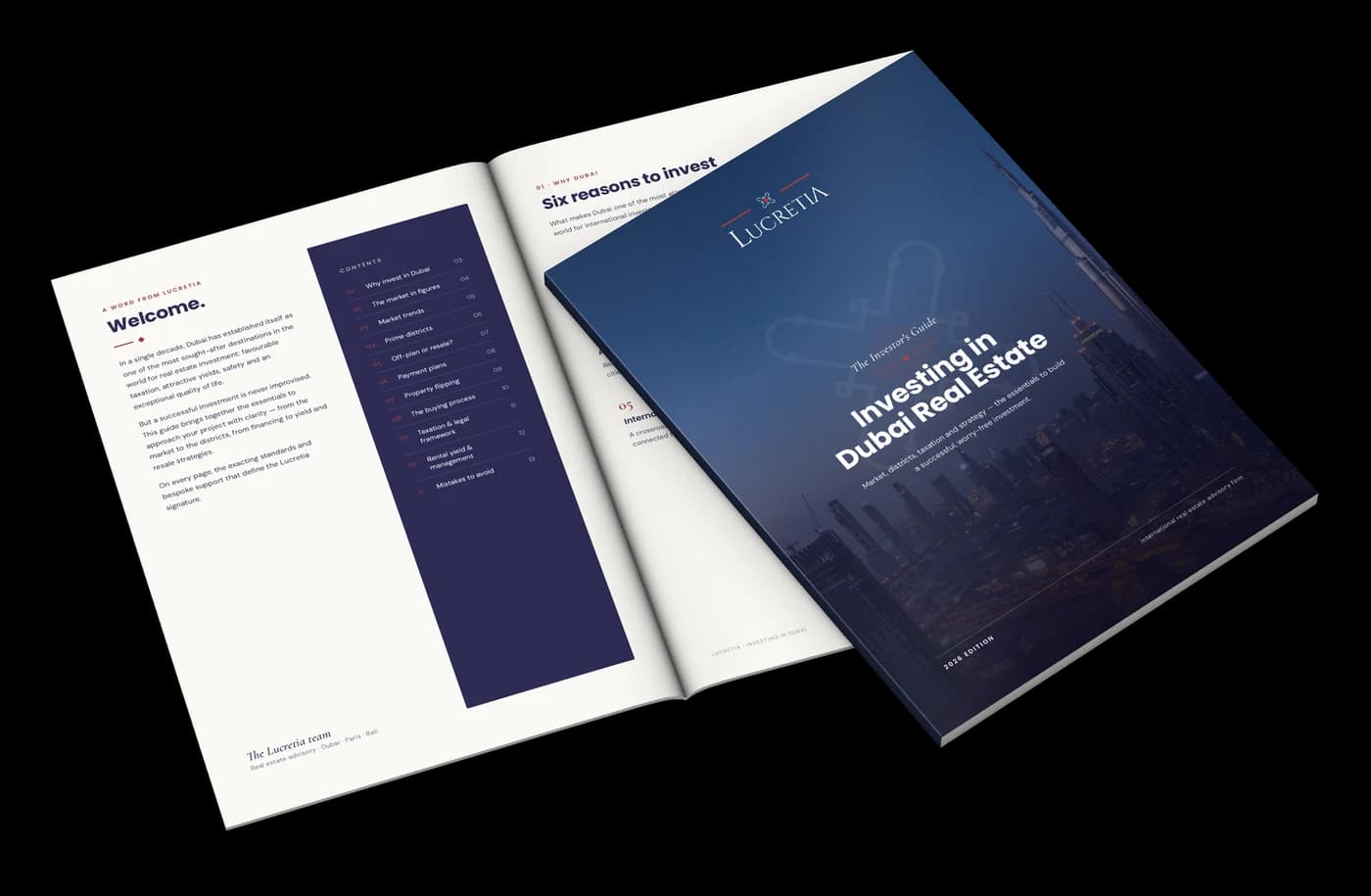
Get the guide "Investing in Dubai"
Taxation, visas, financing, buying steps: 14 pages written by our advisers, sent to your WhatsApp within minutes.
This article is part of our guide
Dubai Property Investment Guide for Foreign Buyers
About the author

Sofiane OULD
Founder & Chief Executive Officer
A visionary entrepreneur and recognized expert in Dubai's prestige real estate market, Sofiane began his career in Paris before joining major players in online real estate (SeLoger, MeilleursAgents, Airbnb). Based in Dubai since 2019, he quickly established himself as one of the city's top-performing brokers. Founder of Lucretia Immobilier, he now supports his clients with an approach combining integrity, innovation and excellence, thereby redefining the standards of luxury.