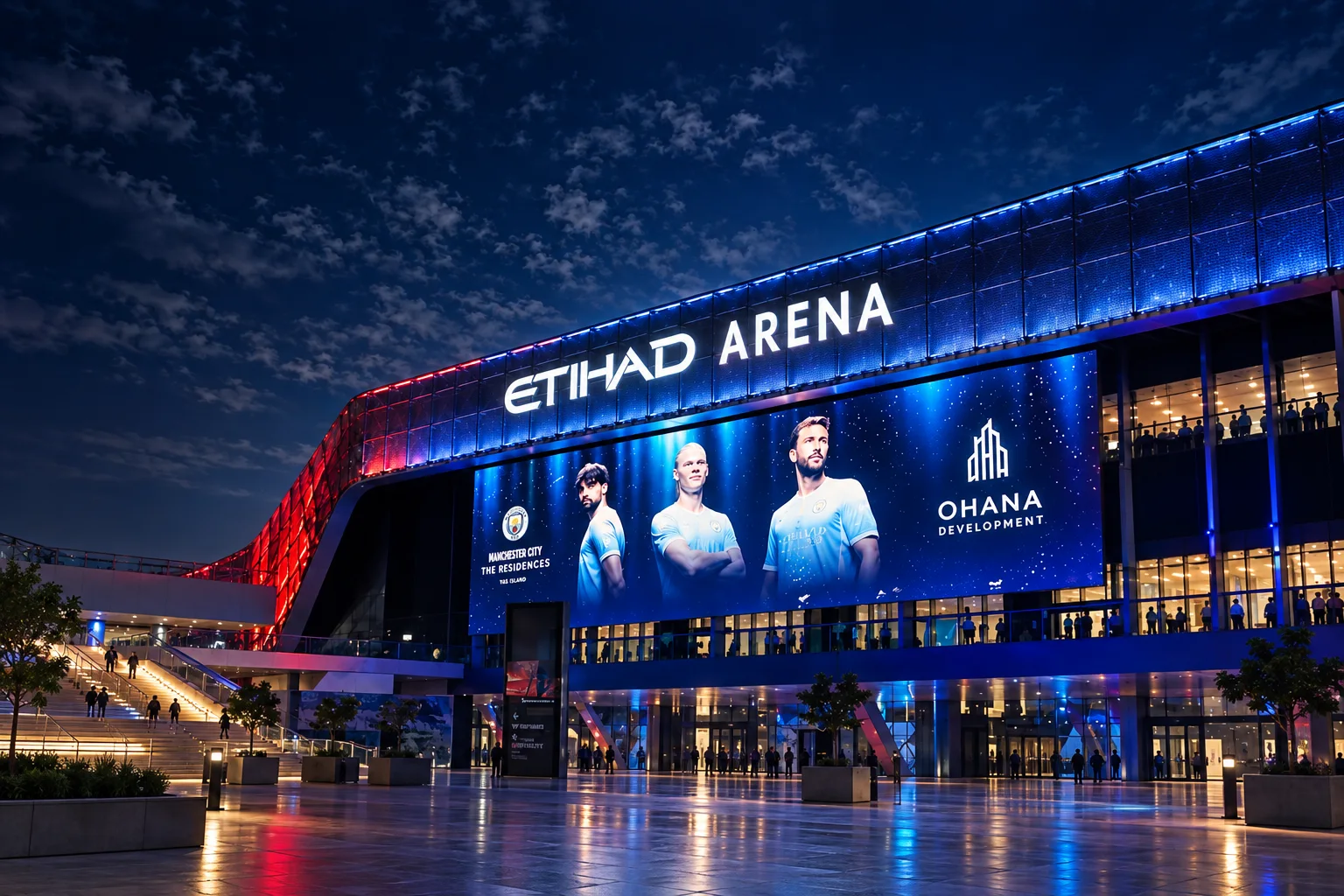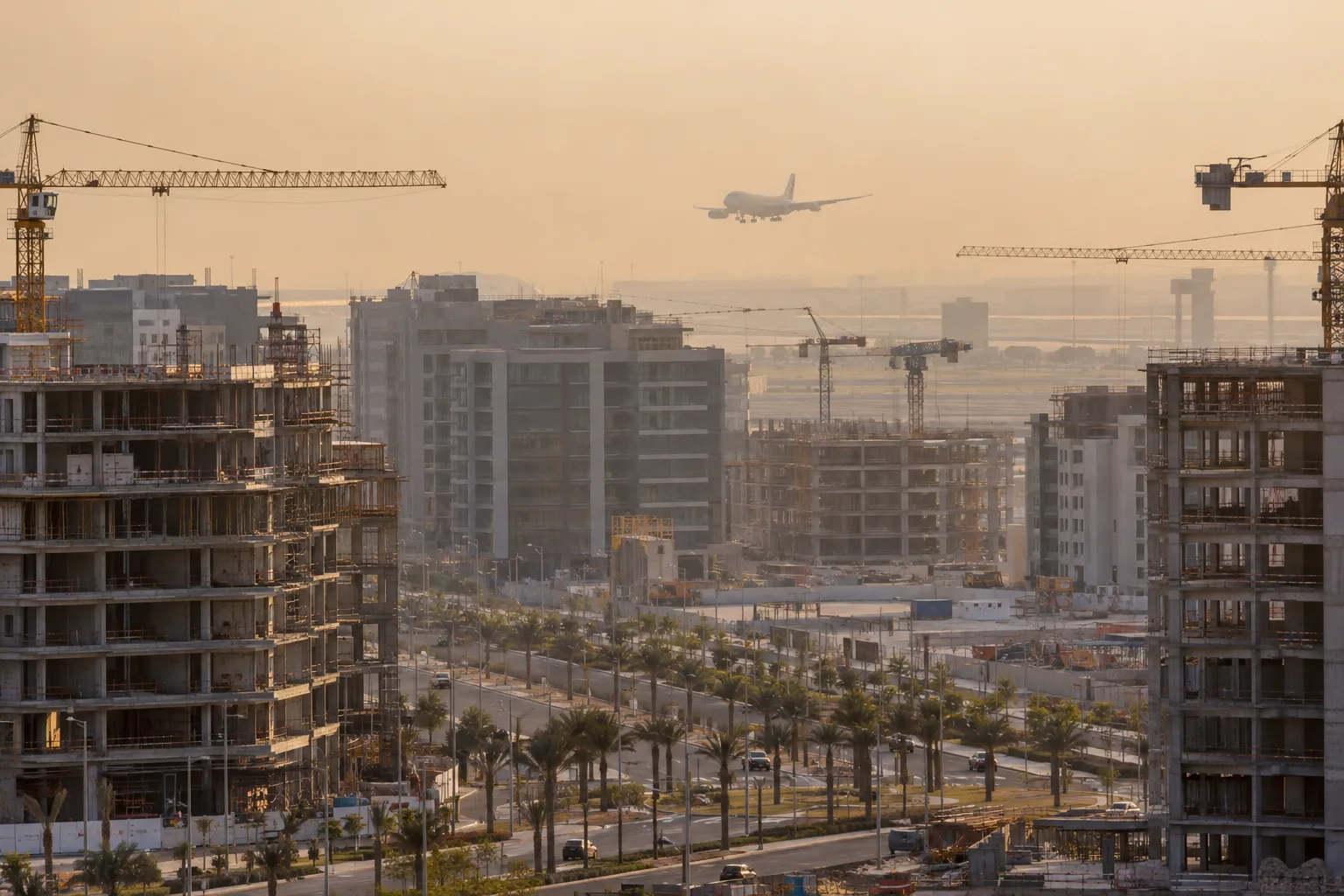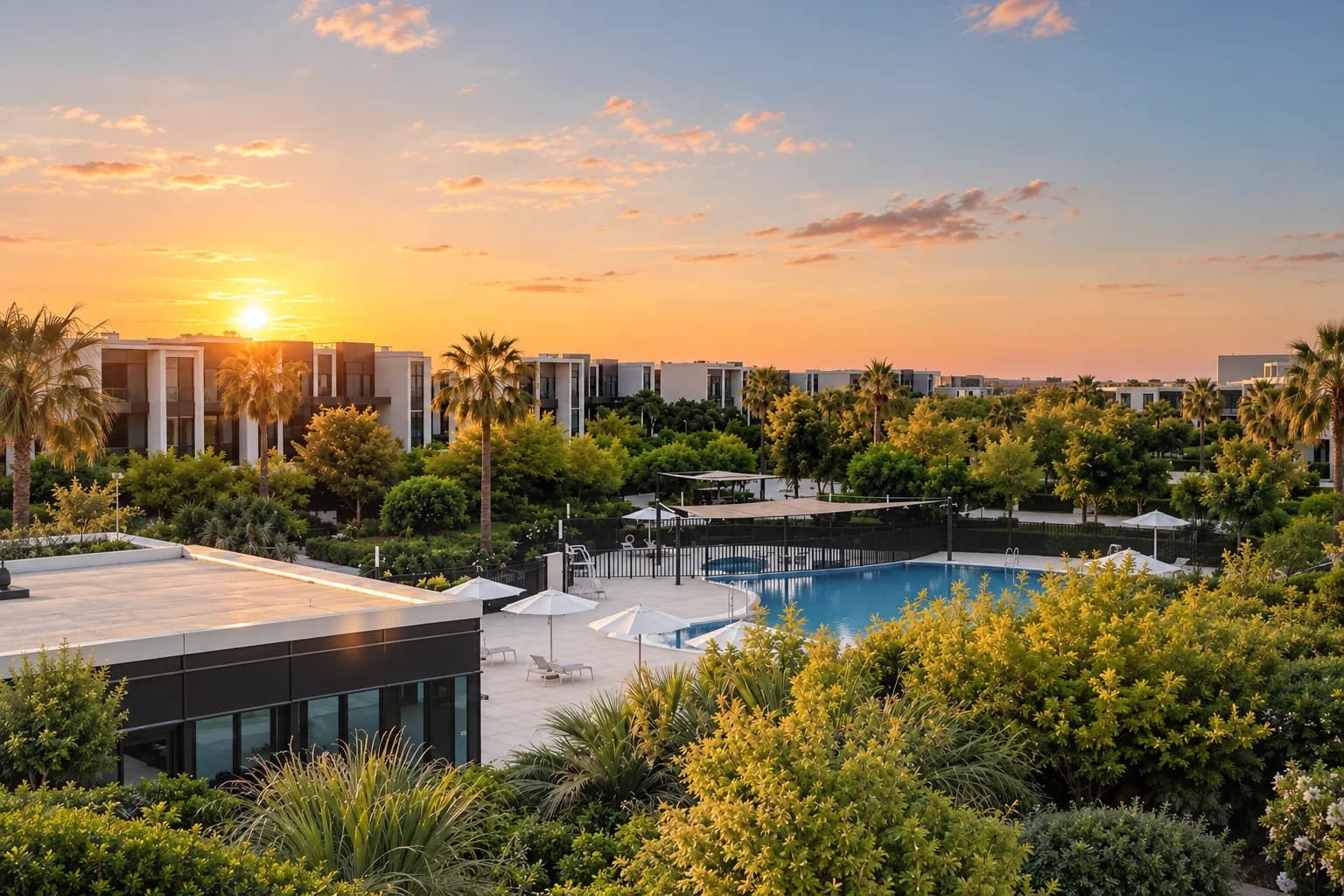
In an August 21, 2026 post on our Instagram account, Lucretia breaks down the trajectory of a Villa Amalfi home that went from €1.2 million in 2018 to more than €5 million today, on Jumeirah Bay Island.
On this page
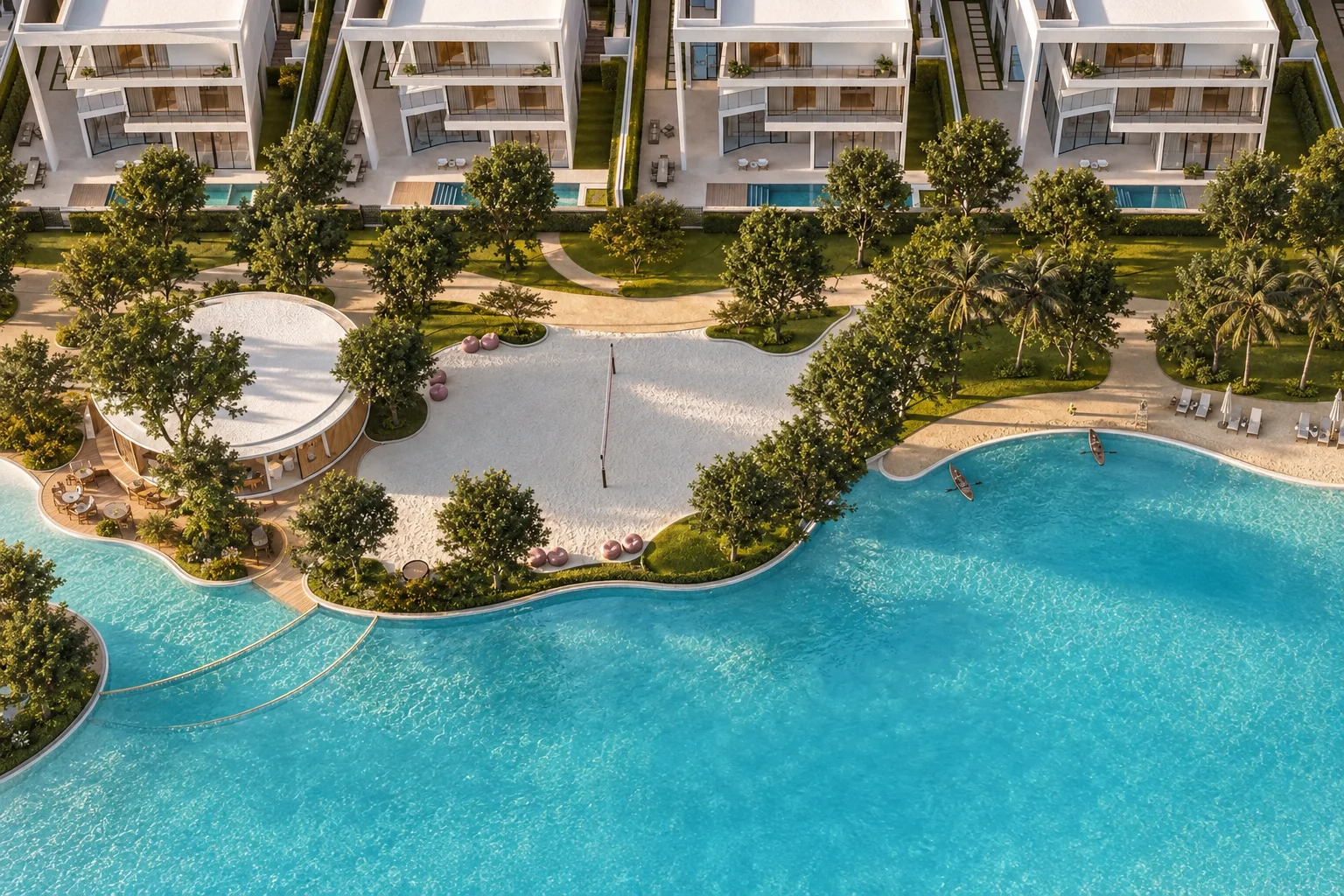
In an August 21, 2026 post on our Instagram account @lucretia_immobilier, we revisit a landmark Dubai price story: a home in the Villa Amalfi project, on Jumeirah Bay Island, sold for €1.2 million in 2018 and now worth more than €5 million. Villa Amalfi is a residential development launched in 2018 on this seahorse-shaped island linked to the Jumeirah coastline, developed under Meraas. We see it as a textbook case: three market mechanisms — fixed supply, an address that shifted category, and exhausted land — that, combined, explain a revaluation of this magnitude.
@lucretia_immobilier · August 21, 2026
📈 €1.2 million in 2018. More than €5 million today. Same house. Here are the 3 reasons behind this performance at Villa Amalfi, on Jumeirah Bay Island: a supply capped at 68 homes, an address that moved up a league with the arrival of the Bvlgari Resort, and land that is now completely exhausted across the island. Fixed supply, an address moving upmarket, saturated land: this is exactly the kind of setup we look for on behalf of our clients. #JumeirahBayIsland #VillaAmalfi #DubaiRealEstate #Investment #DubaiRealEstate
The key points
- A home in the Villa Amalfi project, on Jumeirah Bay Island, sold for €1.2 million in 2018, is now worth more than €5 million according to the Lucretia post of August 21, 2026.
- Villa Amalfi is a project launched in 2018, made up of just 68 homes, with no new construction phase planned.
- Jumeirah Bay Island is home to the Bvlgari Resort & Residences, which helped make the island one of Dubai's most expensive micro-markets.
- The island's land is now saturated: with its surface area limited by its insular nature, no new villa can be built to dilute the existing supply.
- Villa Amalfi offers 3-, 4- and 5-bedroom villas and shows a "sold out" status on developer Meraas's portal.
A project in mind?
Talk to a Lucretia adviser
Tailored guidance, no obligation.
Three mechanisms stacking up
The trajectory described in our post rests on three forces pulling in the same direction. The first is fixed supply: Villa Amalfi has only 68 homes and no additional phase will be added. When demand grows against a fixed stock, price becomes the only adjustment variable.
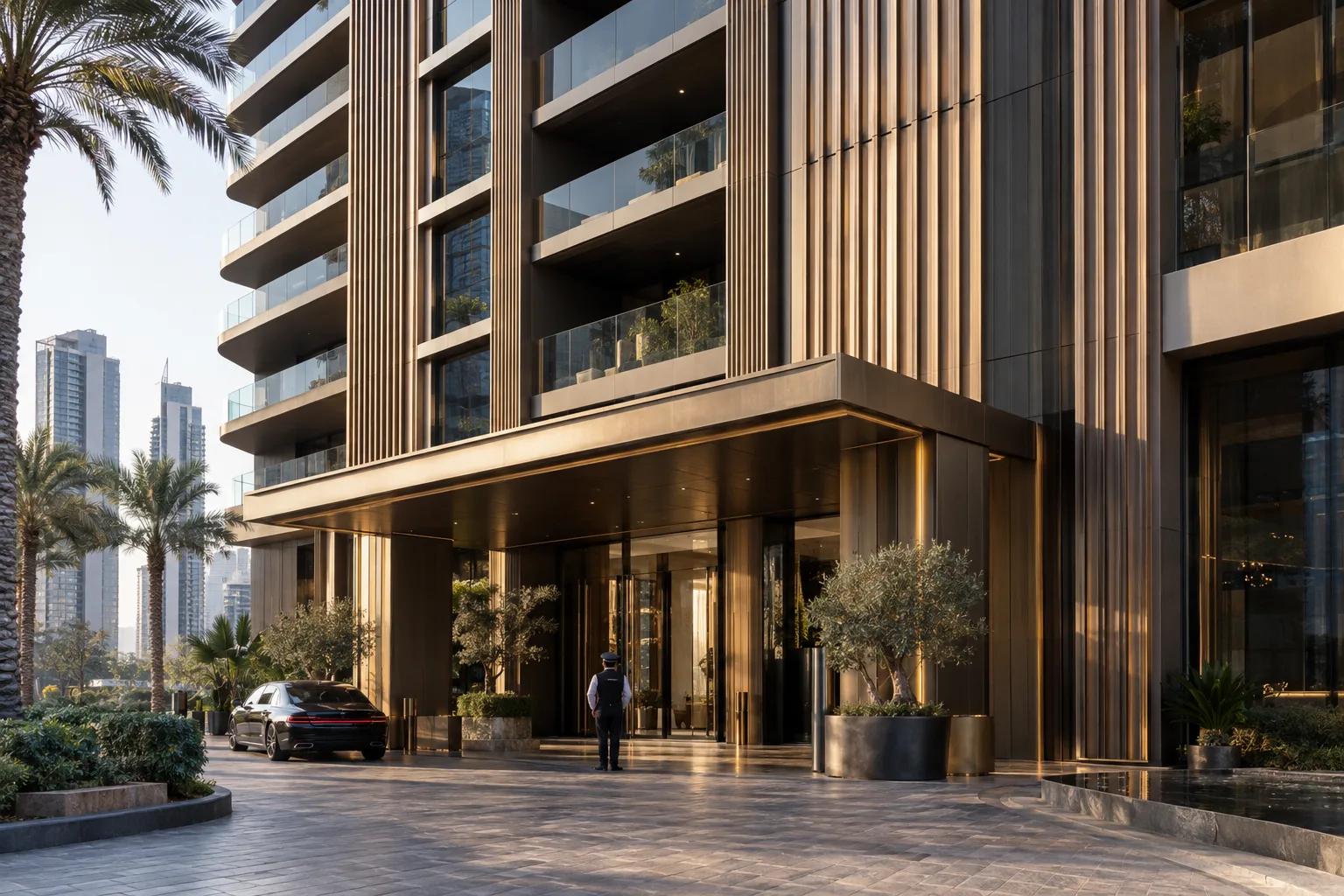
The second, and in our view the most decisive, is a change in the address's category. In 2018, Jumeirah Bay Island already existed but did not hold its current status. The arrival of the Bvlgari Resort & Residences lifted the island into Dubai's most sought-after micro-markets, with the classic knock-on effect a luxury signature has on surrounding values.
The third is saturated land: on an island, the buildable surface is capped. There is no land left for new villas, so no new supply will come to compete with what already exists. To understand how these dynamics fit into the emirate's broader picture, we lay out the main lines in our guide on Dubai real estate market trends and outlook.
Why scarcity wins on the island
Jumeirah Bay Island illustrates a rule we see across Dubai's highest-end segments: a property's value owes as much to what surrounds it as to its walls. A closed address, a prestige hotel signature and the physical impossibility of adding more properties create lasting scarcity, very different from a neighborhood where new towers can rise every year.
This kind of configuration can't be decreed: it has to be spotted. This is precisely the type of ground we map for our clients, cross-referencing available supply, the address's trajectory and resale potential. To position Dubai against other destinations depending on your investor profile, we offer a side-by-side reading in our guide Dubai or Bali: which market for which profile.
What it means for the investor
What we take away from this case for an investor: Villa Amalfi's past performance can't be mechanically replicated, but the ingredients that produced it can be sought out. Capped supply, an address moving upmarket and closed land form a rare combination — and it's that combination, more than any specific project, that we favor in our selections.
On the wealth side, Dubai's advantage remains powerful: in Dubai, individuals pay no tax on rental income or on real estate capital gains. A revaluation of this kind is therefore not eroded by a local disposal tax, which changes the equation compared with other markets. We detail this framework in our analysis of Dubai real estate taxation.
A point of caution: an ultra-premium micro-market like Jumeirah Bay Island stays narrow. The number of buyers and sellers is small, entry tickets are high, and liquidity depends on the right buyer at the right moment. This is exactly where our local presence and our access to often off-market opportunities make the difference. To explore the emirate's market with us, visit our Investing in Dubai page.
Source: Original post on Instagram (@lucretia_immobilier) — August 21, 2026
Free guide, delivered on WhatsApp
Get the guide "Investing in Dubai"
Taxation, visas, financing, buying steps: 14 pages written by our advisers, sent to your WhatsApp within minutes.
This article is part of our guide
Dubai Property Investment Guide for Foreign Buyers
About the author

Benoit CLAUDEL
Director of Strategy & Operations
With over 18 years of experience in real estate and wealth management, Benoît has developed recognized expertise in advising private investors, business executives and family offices. After starting out in a real estate agency and working within one of the most reputable wealth management firms in Paris, he then joined LCL as Head of Private Banking for Île-de-France, advising high-income clients on their real estate strategies. An entrepreneur, he founded and ran his own wealth management firm for 7 years, structuring investment and wealth optimization solutions. Today at Lucretia, Benoît oversees operational strategy, sales performance and advisor training. He works on high-value-added cases, particularly investments via French holding companies, legal structuring and wealth taxation.