On 22 October 2026, Abu Dhabi Airports said it expects 2026 traffic at Zayed International to come close to the 2025 record of 32.5 million passengers, despite regional tensions. New routes to the Indian subcontinent, Africa and Asia are in the pipeline.
On this page
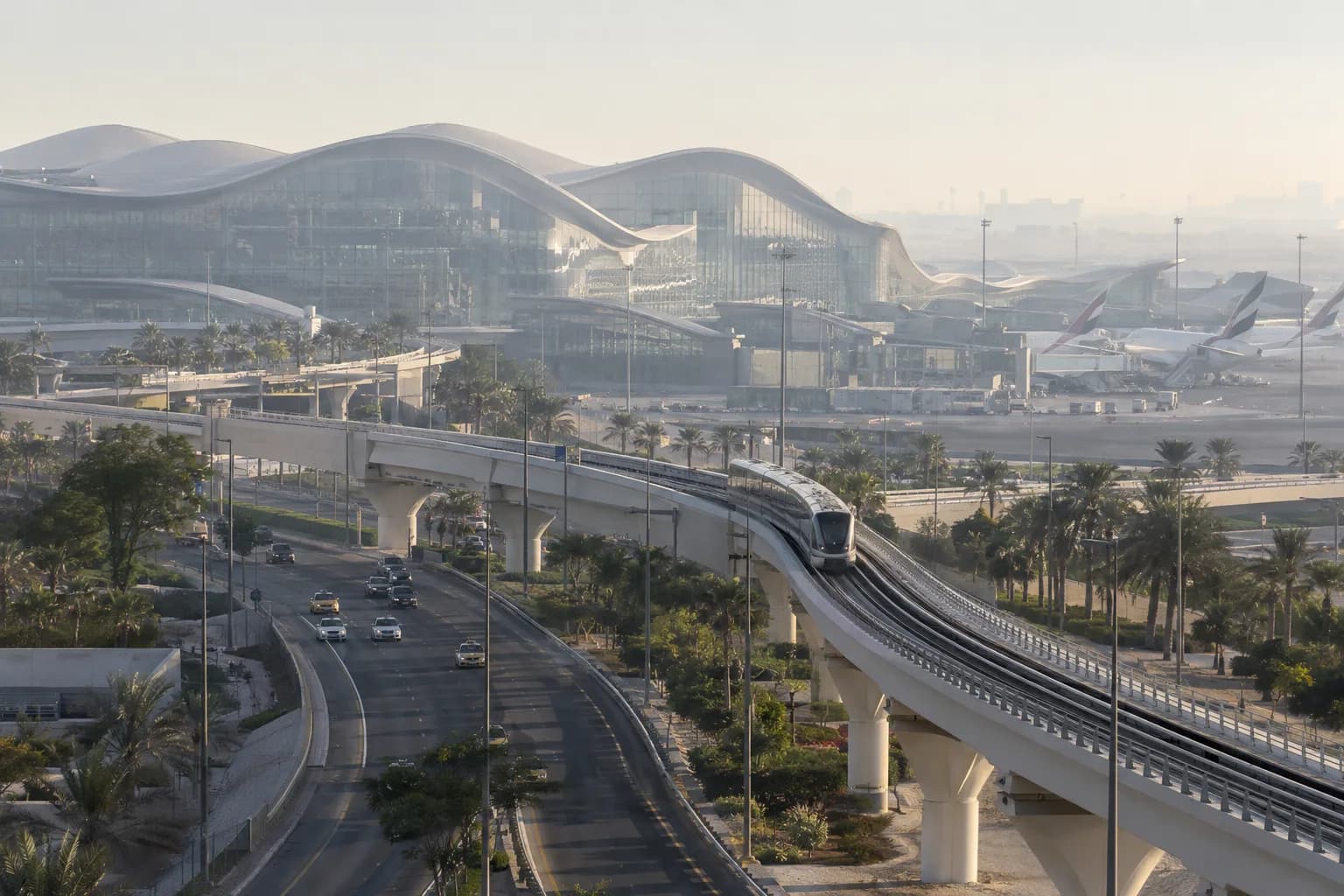
Abu Dhabi airport passenger traffic at Zayed International is expected to hold broadly level with its 2025 record in 2026, according to statements by Abu Dhabi Airports, the emirate's state-owned airport operator, reported by Aviation Week on 22 October 2026. In 2025, the airport handled 32.5 million passengers, up 12.8% year on year, and crossed the 30-million annual passenger mark for the first time.
This target of stability comes against a backdrop of regional tensions that have disrupted air traffic across the Middle East. The operator is also preparing new routes to the Indian subcontinent, Africa and Asia, in support of the growth strategy of Etihad Airways, the national carrier based at Zayed International.
Key points
- Abu Dhabi's Zayed International Airport handled a record 32.5 million passengers in 2025, up 12.8% year on year (Abu Dhabi Airports, January 2026).
- On 22 October 2026, Abu Dhabi Airports said it was targeting 2026 traffic broadly in line with that 2025 record, despite regional tensions.
- Etihad Airways launched 39 new routes in 2025, and Zayed International welcomed seven new airlines the same year.
- The emirate of Abu Dhabi's five airports handled a combined total of more than 33 million passengers in 2025.
- Zayed International's Terminal A, opened in 2023, has a capacity of 45 million passengers, with an expansion to 65 million planned and works due to start in late 2027.
A hub holding its ground after a record year
For Zayed International, keeping 2026 traffic close to 32.5 million passengers means consolidating exceptional growth rather than mechanically extending it. 2025 was driven by the expansion of Etihad Airways, which opened 39 routes, from Atlanta to Hanoi, and by the arrival of seven new airlines, including China Eastern Airlines, Ethiopian Airlines, Eurowings and Jazeera Airways.
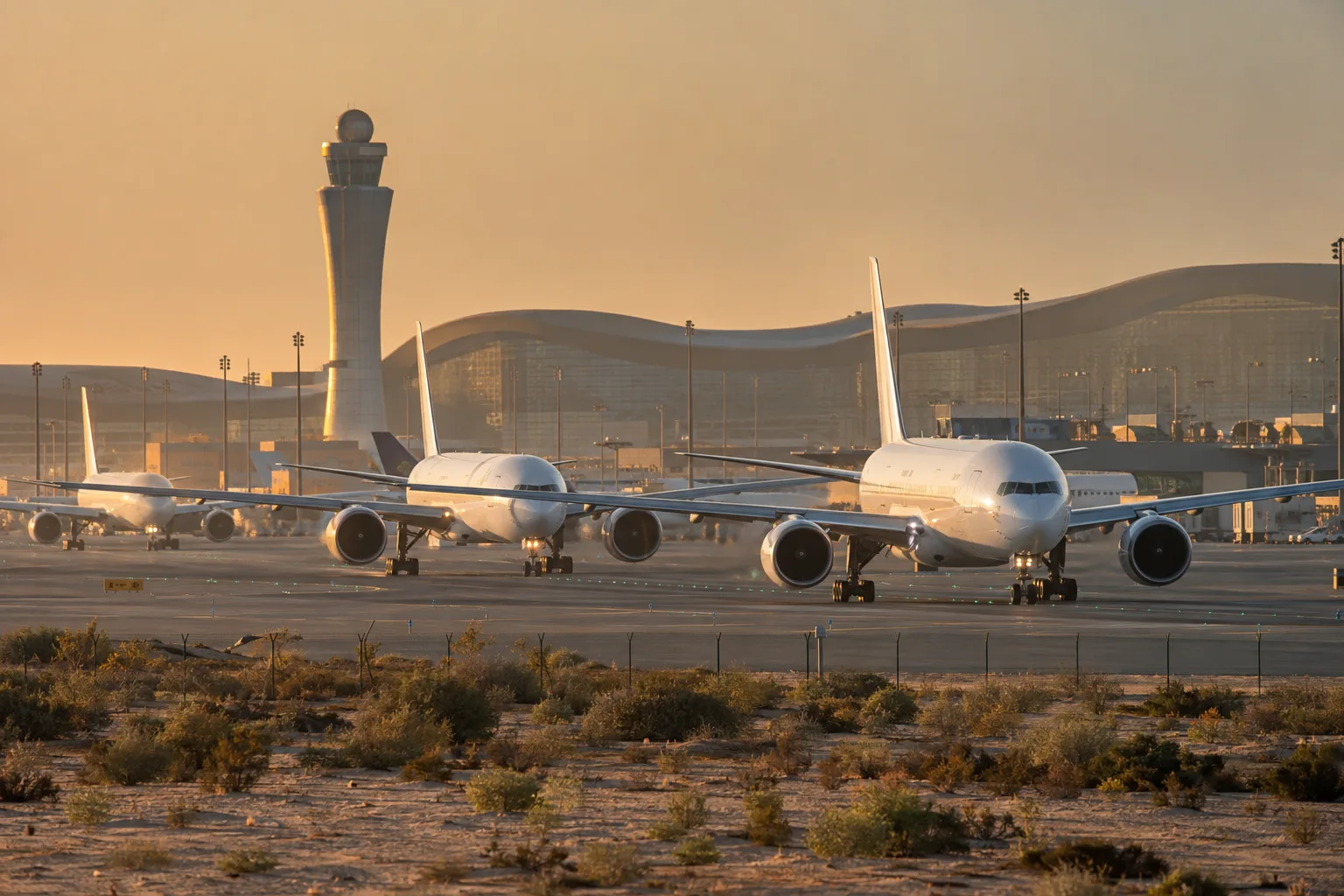
In a disrupted regional environment, the emirate's ability to sustain this volume is a sign of resilience. It confirms Abu Dhabi's standing as a destination in its own right, not merely a transit point: the emirate is explicitly seeking to grow "point-to-point" traffic, meaning travellers who actually stay in the city.
India, Africa, Asia: routes that widen the client base
The newly announced links to the Indian subcontinent, Africa and Asia strengthen connections with the regions that already account for much of the UAE's resident population and business flows. Every direct route makes it easier for expatriate professionals to relocate, for families to visit and for investors to fly in and view properties.
Looking further ahead, infrastructure is keeping pace: Terminal A, opened in 2023, offers capacity for 45 million passengers, and an expansion plan to 65 million is scheduled to break ground in late 2027. There is real headroom to accommodate growth in the years ahead. To place these trends in the wider context of the emirate, our Investing in Abu Dhabi page sets out the market fundamentals.
What it means for investors
For an investor, an airport sustaining record traffic is first and foremost an indicator of demand. More direct routes mean a wider pool of potential tenants: expatriate executives, relocating families, business travellers and tourists for short-term rentals. In Abu Dhabi, rental income earned by individuals is not subject to personal income tax, which puts the quality of demand front and centre.

We pay particular attention to districts well connected to Zayed International and to employment hubs, such as Yas Island and Saadiyat Island, where the tourism and cultural offer is concentrated. Resilient air traffic also supports resale liquidity, since a market with a steady flow of international visitors more readily attracts new buyers. It does not, however, guarantee any level of rent or capital gain: the choice of location, product and rental strategy remains decisive.
Lucretia supports you on the ground, from selecting the property to letting it. To get the most out of your acquisition, read our guide Property management in Abu Dhabi: running your rental without losing yield, then let's discuss a strategy suited to your situation.
Source: aviationweek.com — 2026-10-22
Free guide, delivered on WhatsApp
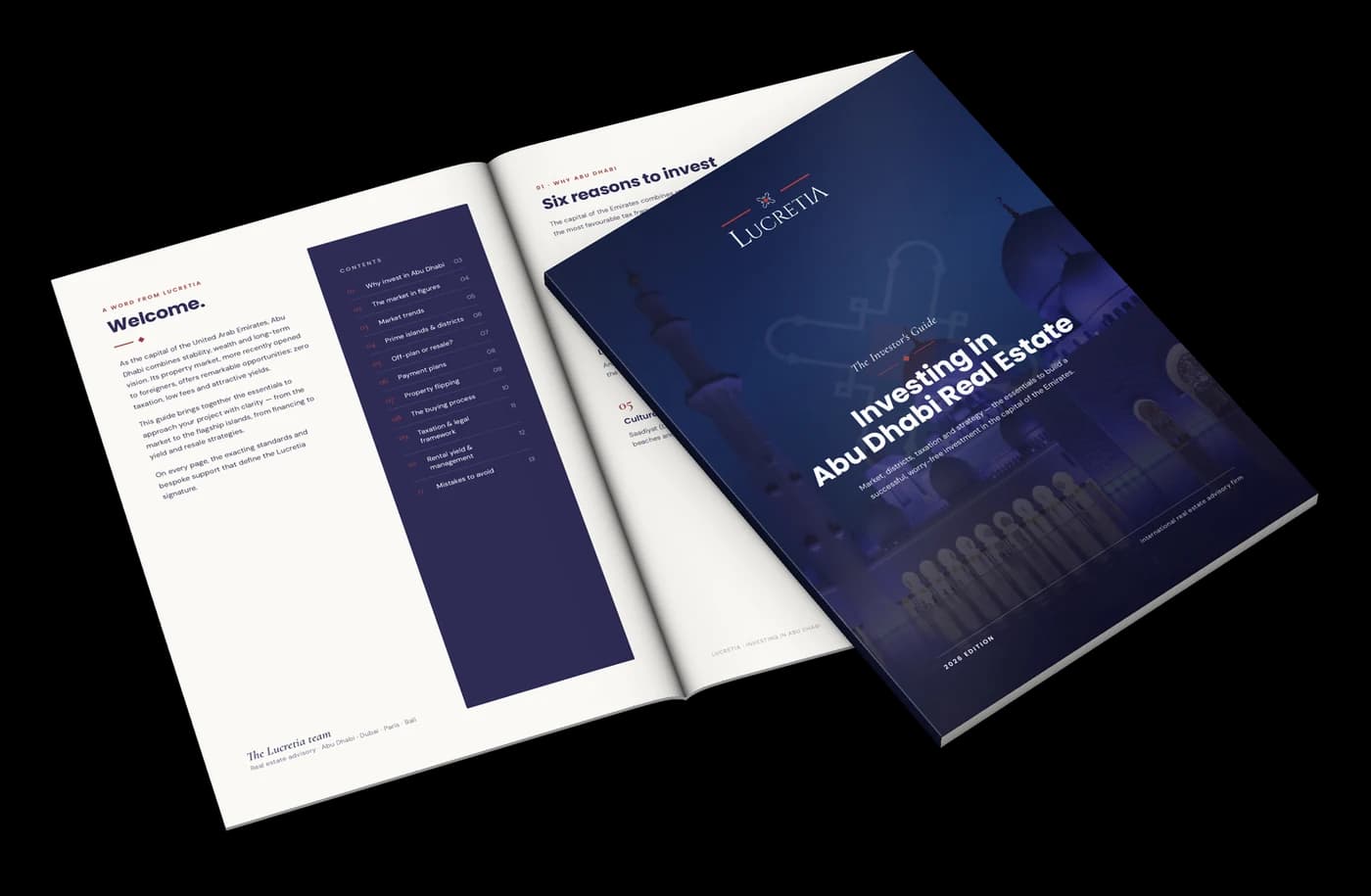
Get the guide "Investing in Abu Dhabi"
Taxation, visas, financing, buying steps: 14 pages written by our advisers, sent to your WhatsApp within minutes.
This article is part of our guide
Abu Dhabi Property Investment Guide: Buy, Let and Resell with Confidence
About the author

Sofiane OULD
Founder & Chief Executive Officer
A visionary entrepreneur and recognized expert in Dubai's prestige real estate market, Sofiane began his career in Paris before joining major players in online real estate (SeLoger, MeilleursAgents, Airbnb). Based in Dubai since 2019, he quickly established himself as one of the city's top-performing brokers. Founder of Lucretia Immobilier, he now supports his clients with an approach combining integrity, innovation and excellence, thereby redefining the standards of luxury.