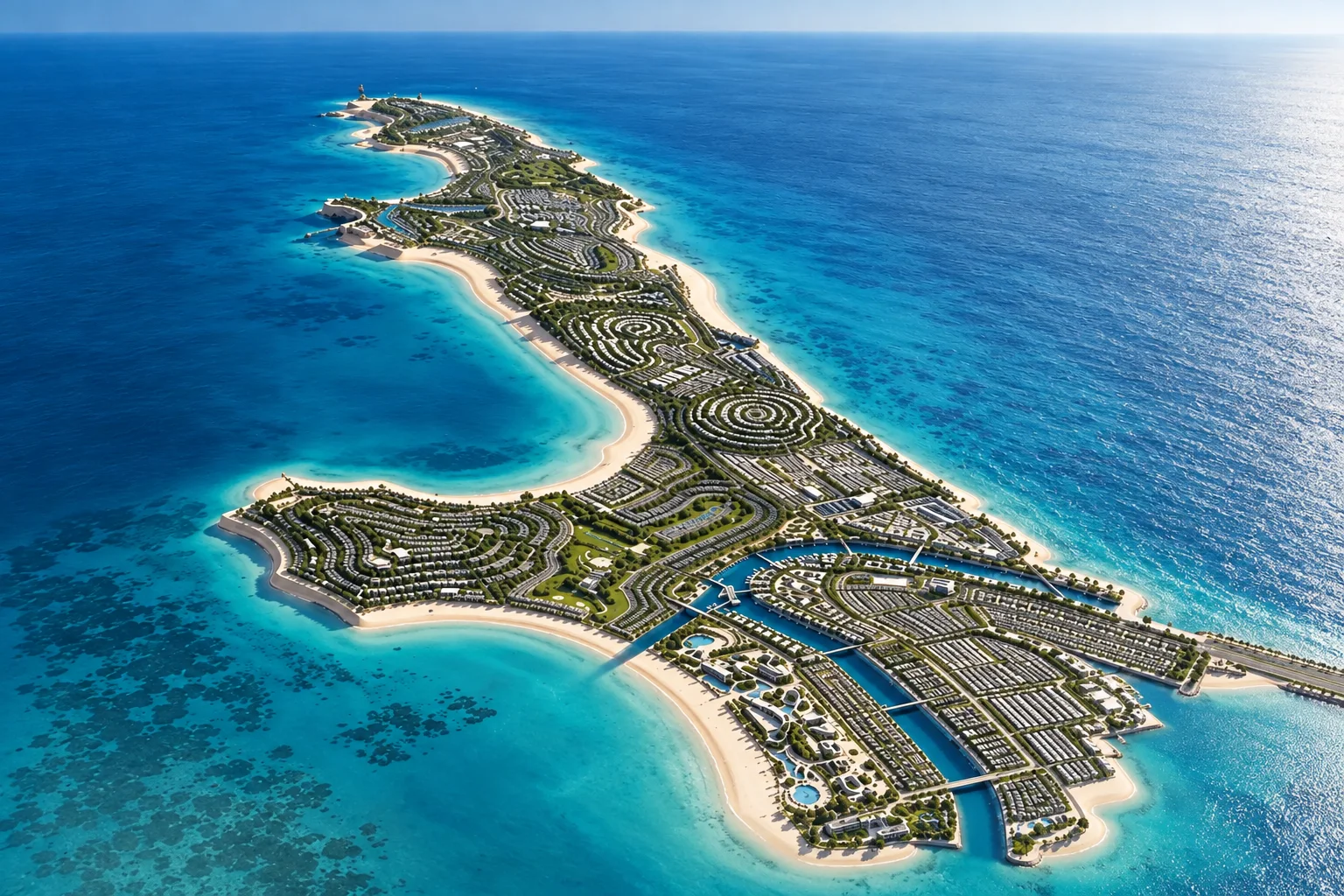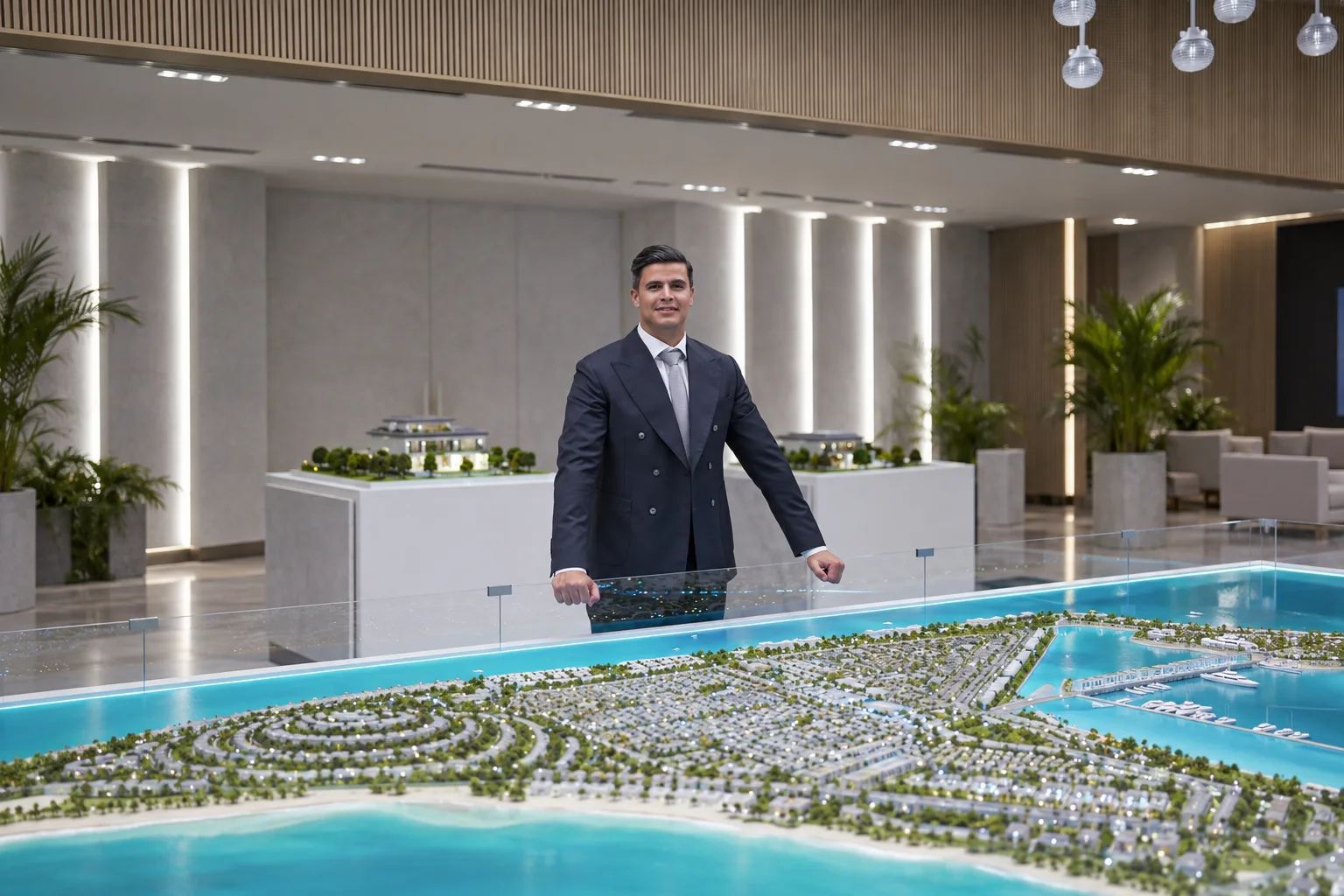
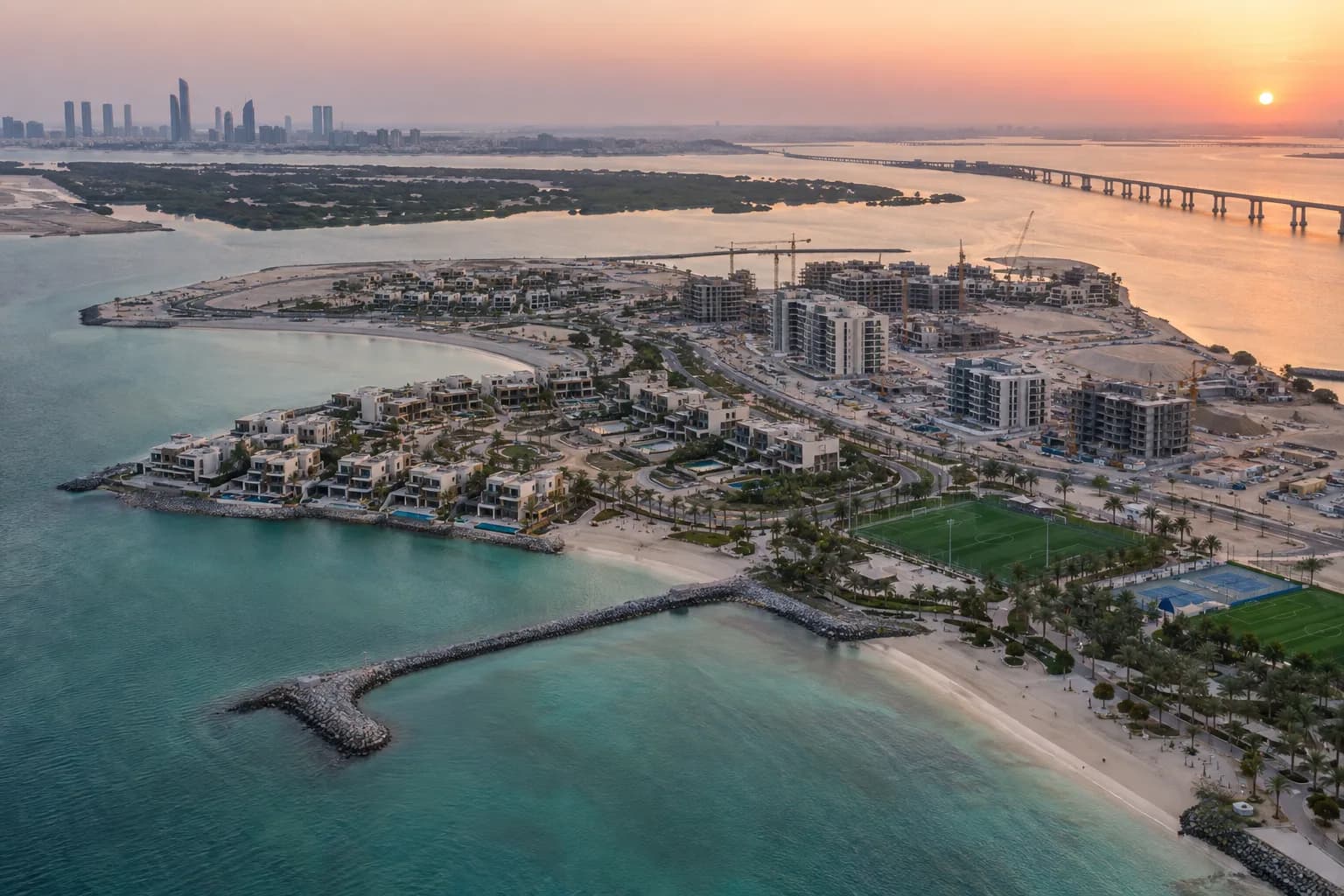
On 15 October 2026, the Abu Dhabi Real Estate Centre published its figures: AED 175.7 billion in real estate transactions from January to September 2026, including AED 95.8 billion across 21,416 residential sales. Hudayriyat and Saadiyat account for the bulk of demand.
On this page
Abu Dhabi real estate transactions in 2026 reached AED 175.7 billion between January and September, according to figures from the Abu Dhabi Real Estate Centre (ADREC) released on 15 October 2026. Residential sales alone accounted for AED 95.8 billion across 21,416 transactions. The data was announced ahead of the International Real Estate & Investment Show (IREIS), to be held from 10 to 12 November 2026 at the Abu Dhabi National Exhibition Centre (ADNEC). Two addresses dominate the residential market: Hudayriyat Island and Saadiyat Island.
Key takeaways
- From January to September 2026, Abu Dhabi recorded AED 175.7 billion in real estate transactions, according to the Abu Dhabi Real Estate Centre.
- Residential sales in Abu Dhabi reached AED 95.8 billion across 21,416 transactions in the first nine months of 2026.
- In the first half of 2026, Hudayriyat Island totalled AED 19 billion in sales, or 27% of residential sales value, ahead of Saadiyat Island with AED 13.3 billion (ADREC H1 2026 report).
- Abu Dhabi's housing stock stands at around 409,000 units, with a further 71,000 units planned by 2030.
- More than 600 real estate projects, with a combined value of over AED 200 billion, are under way in the emirate as of October 2026.
Hudayriyat and Saadiyat capture most of the demand
Hudayriyat Island has become Abu Dhabi's leading residential market: AED 19 billion in sales in the first half of 2026, or 27% of residential sales value over the period, according to ADREC's half-year report. Saadiyat Island follows with AED 13.3 billion, while Yas Island completes the trio of island destinations with AED 7.3 billion.
This ranking reflects the nature of the market: in the first half of 2026, off-plan transactions accounted for 89% of sales value and 82% of transaction volume. Buyers are therefore heavily focused on new developments, due for handover in the coming years, in waterfront districts with a strong identity. Saadiyat retains a unique cultural and high-end positioning, which we cover in detail in our guide to investing on Saadiyat Island.
Resale prices rising sharply
Resale prices rose 20% year on year for apartments and 12% for villas in the first half of 2026, according to ADREC. These figures relate to properties that have actually changed hands, giving a concrete measure of how existing stock is being valued.
The buyer base is largely international: resident expatriates and non-resident foreign buyers together accounted for 70% of residential sales value in the first half of 2026. The rental market remains deep, with 69% of the emirate's occupied homes being rented.
What do 71,000 more homes by 2030 really mean?
The 71,000 units planned by 2030 represent around 17% of the current stock of 409,000 homes. Spread over the period, this new supply remains measured: the stock has grown by an average of 2.9% a year since 2022, according to ADREC. More than 600 projects worth over AED 200 billion are also under way.
For investors, the issue is less the overall volume than how it is distributed: deliveries concentrated in the same district in the same year can weigh on local rents at handover. That is why the choice of project, developer and delivery schedule matters as much as the address itself, as we explain in our guide to buying off-plan in Abu Dhabi.
What this means for investors
These figures confirm that Abu Dhabi has become a front-rank market, driven by international demand and new-build supply. For investors, Hudayriyat and Saadiyat offer the most visible liquidity: an active market makes resale easier, including before handover. We do, however, recommend carefully comparing payment plans, delivery dates and the competing supply planned in the same district, since that is what sets rent levels at handover.
Beyond the two flagship islands, more established districts such as Al Reem Island retain genuine rental appeal, with settled residential demand close to the business hubs. The recent rise in resale prices is no indication of future performance: returns depend on the entry price, the product and rental management.
From Dubai, Lucretia supports you in selecting projects, vetting developers and structuring your acquisition. Our Invest in Abu Dhabi page brings together our district-by-district analyses; for a strategy suited to your situation, a tailored conversation with our advisers remains the best next step.
Source: observerdubai.com — 2026-10-15
Free guide, delivered on WhatsApp
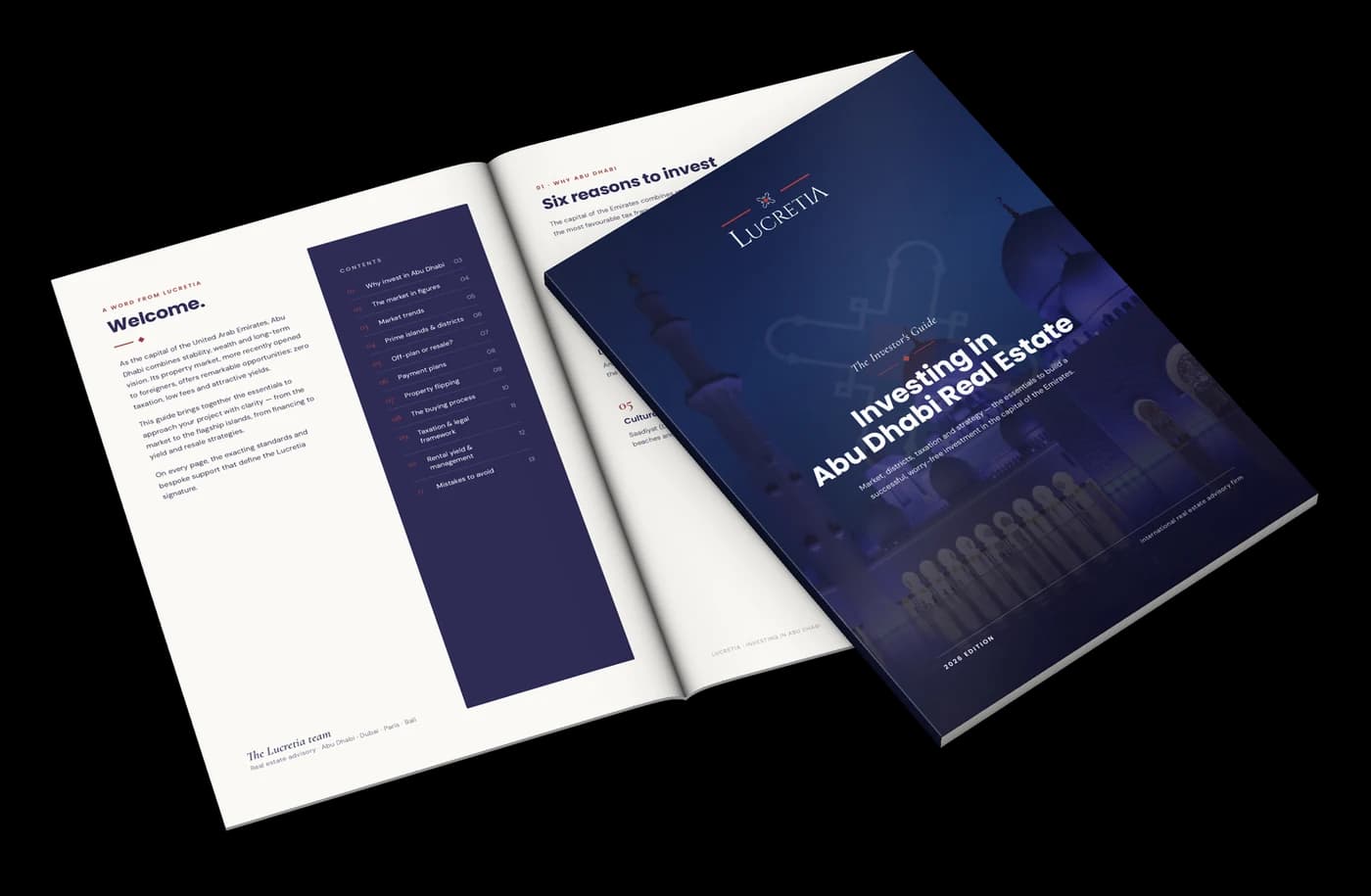
Get the guide "Investing in Abu Dhabi"
Taxation, visas, financing, buying steps: 14 pages written by our advisers, sent to your WhatsApp within minutes.
This article is part of our guide
Abu Dhabi Property Investment Guide: Buy, Let and Resell with Confidence
About the author

Léonard ARZOUNI
Real Estate Consultant
Léonard is a luxury real estate consultant with more than six years of experience in the high-end market. He is fluent in French and English and assists an international clientele in the acquisition and management of exceptional properties, both residential and investment-oriented. His expertise covers property valuation, portfolio management and strategic negotiation, enabling him to develop tailor-made solutions adapted to each client's wealth objectives. He is appreciated for his rigour and attention to detail. Outside of work, Léonard is passionate about contemporary art, collecting works by emerging artists. He is a curious traveller who loves discovering new cultures.