In a 22 July 2026 post on our Instagram account, Lucretia looks back at a first half of 2026 that marks the second-best result in Dubai's real estate history, driven by a record luxury segment.
On this page
In a post dated 22 July 2026 on our Instagram account (@lucretia_immobilier), we took a closer look at the first-half 2026 figures for Dubai real estate. The picture is clear: according to Dubai Land Department (DLD) data relayed by the firm W Capital, the emirate recorded its second-best first half ever, with more than 286 billion dirhams in sales — roughly 78 billion dollars — across over 86,000 transactions. Only the first half of 2025, the all-time record at 326.6 billion dirhams, did better. This result came in a regional context many considered unfavourable, which makes the performance all the more significant.
@lucretia_immobilier · 22 July 2026
Dubai has just posted the 2nd-best first half in its entire history. Despite a regional context many thought was unfavourable 📈 Luxury in particular is exploding: 296 sales above 9 million euros, an all-time record. And according to Knight Frank, Dubai remains the undisputed global leader in this segment, with growth 8 times higher than the average of the world's major cities. Dubai South also continues to top the rankings for the 4th month in a row, and the rental market has just broken all its records in June. The message is clear: Dubai remains one of the most solid and dynamic markets in the world. #Dubai #DubaiRealEstate #Immobilier #Investissement #DubaiSouth
Key takeaways
- Dubai recorded more than 286 billion dirhams (around 78 billion dollars) in real estate sales in the first half of 2026, its second-best first half in history, according to the Dubai Land Department relayed by W Capital.
- This result is surpassed only by the first half of 2025, the all-time record at 326.6 billion dirhams.
- The luxury segment posted 296 sales above 9 million euros in the first half of 2026, a record up 14% year on year, with the most expensive deal reaching 103 million euros for a 6-bedroom apartment at Aman Residences.
- According to Knight Frank, luxury residential growth in Dubai reached 25%, versus around 3% on average for the world's major cities — roughly eight times higher.
- June 2026 marked a sharp rebound, with more than 13,900 sale transactions, up around 35% on May, while the rental market broke all its records with over 40,000 contracts signed during the month.
A solid half despite an exceptional benchmark
The truest reading of these figures lies not only in their scale, but in their resilience. Dubai posted its second-best first half of all time even though the point of comparison — the first half of 2025 — was an all-time record. Coming close to that after an exceptional year reflects deep-rooted demand, not a mere speculative spike.
Market depth is a strong signal for an investor. Sales split between off-plan, which accounted for nearly 139.8 billion dirhams across roughly 58,800 transactions, and completed properties, which concentrated the largest share by value at more than 146.7 billion dirhams. This balance between the primary and secondary markets is a guarantee of liquidity: it shows that a property bought in Dubai finds a buyer, whether on resale or on first purchase. We break down these dynamics in our guide to Dubai real estate market trends and outlook.
Free guide, delivered on WhatsApp
Get our investment guide
Taxation, visas, financing, buying steps: 14 pages sent to your WhatsApp within minutes.
Luxury, driver of growth with no global equal
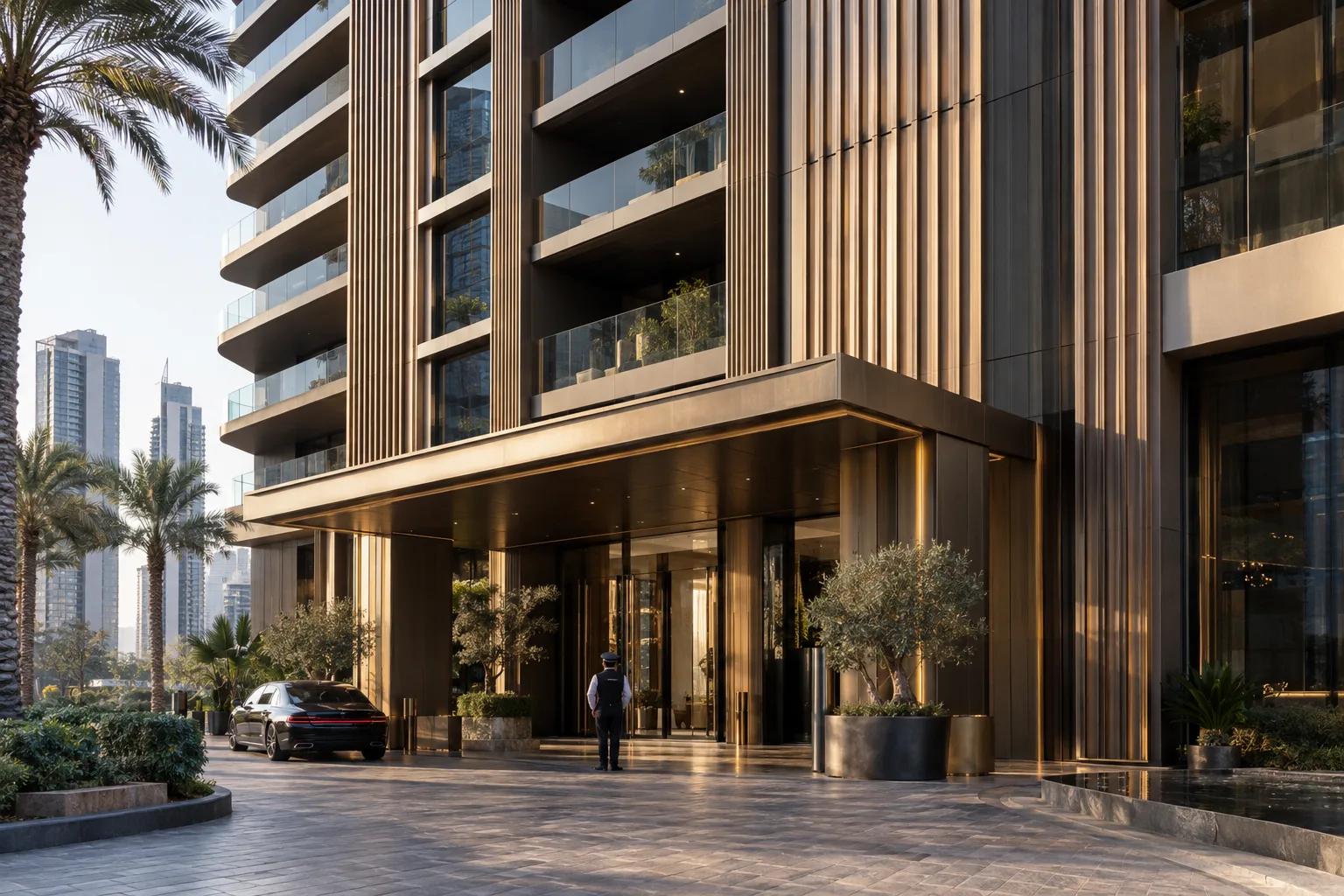
It is in the high-end segment that the case is most striking. The first half of 2026 saw 296 sales closed above 9 million euros, a record up 14% year on year, with the highest deal reaching 103 million euros for a six-bedroom apartment at Aman Residences. According to Knight Frank, Dubai remains the undisputed global leader in luxury residential transactions, with 25% growth in this segment, while the average for the world's major cities sits around 3% — a lead of roughly eight times.
This luxury momentum is structural. It draws international capital and lifts the entire market, while resting on one of the most attractive tax frameworks in the world: in Dubai, individuals pay no tax on rental income or on real estate capital gains. That is a major lever for net returns, which we unpack in our guide to Dubai property taxation.
Dubai South and the rental market lead the way
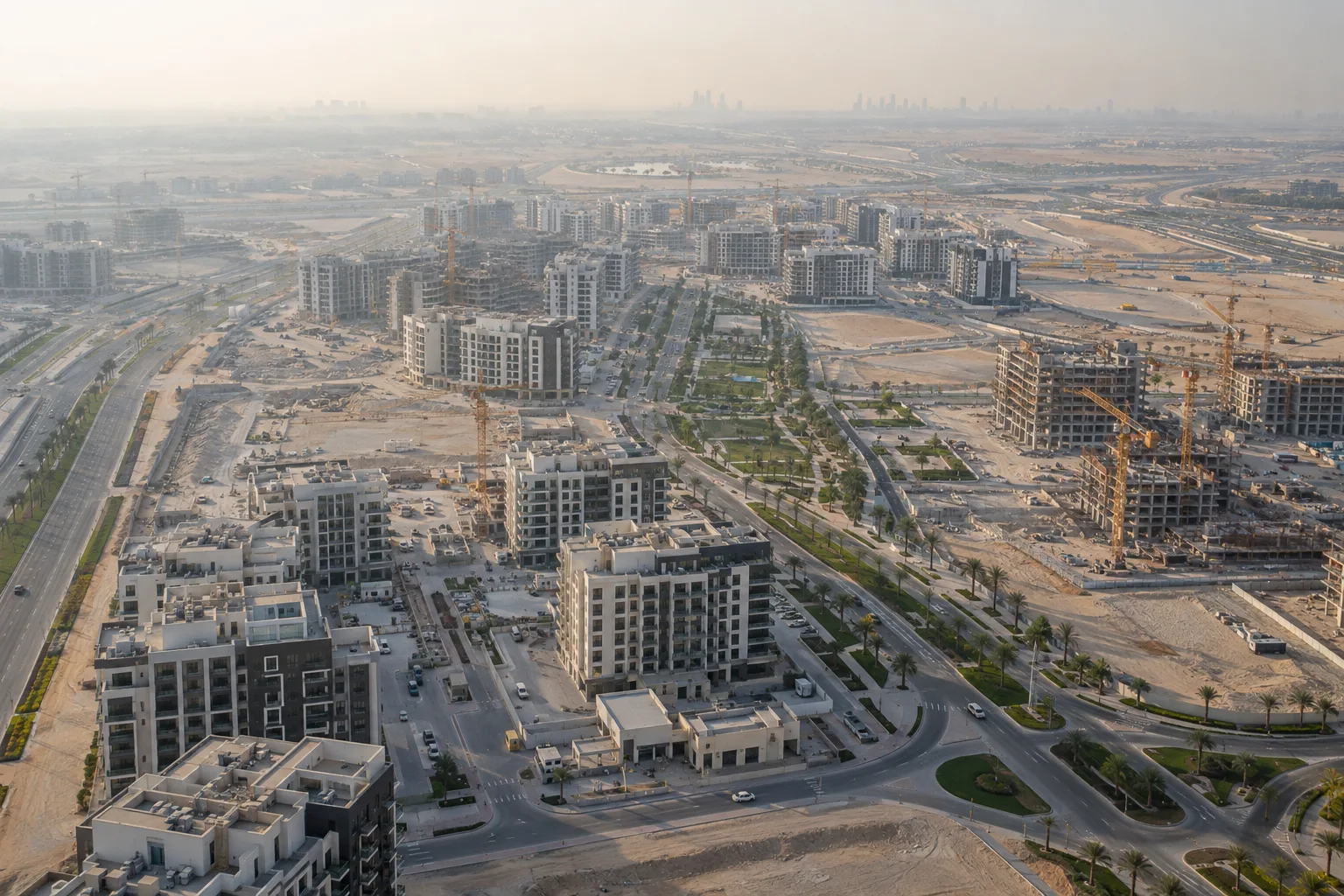
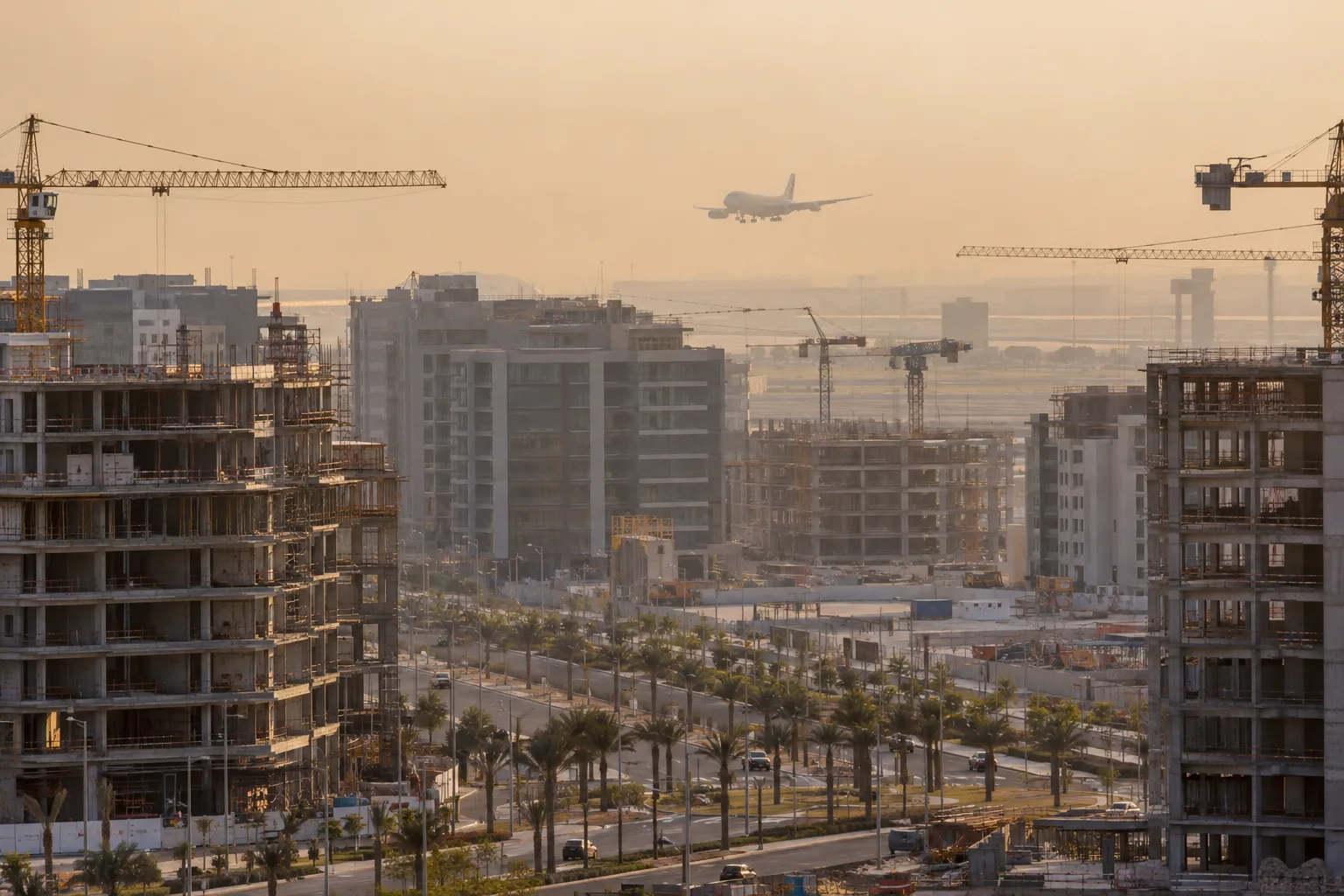
One district stands out in particular: Dubai South holds first place in the rankings for the fourth month in a row, with a 111% jump in a single month. This area, anchored to the Al Maktoum airport project and a booming logistics and residential fabric, illustrates the shift in demand towards new zones with strong upside potential.
On the rental side, June 2026 broke all records with more than 40,000 contracts signed in a single month. For an investor, this rental strength matters as much as sales volumes: it supports yields and secures the letting of a property. A market where a great deal is sold but even more is rented is a market where the risk of vacancy stays contained.
What it changes for the investor
For an investor, this first half of 2026 confirms what we observe on the ground: Dubai is no longer an opportunistic bet, but a mature market whose activity has settled at a structurally high level. The combination of sales volumes near the record, a luxury segment leading the world and a rental market at its peak shapes an environment that is both liquid and promising.
In practical terms, several points deserve your attention. The coexistence of active new-build and resale markets makes both entry into and exit from an investment easier. Taxation — zero tax on rents and capital gains for individuals — mechanically improves net returns compared with most European markets. Finally, geography matters: from established districts to emerging zones such as Dubai South, the risk profile and value-growth potential vary widely. We remain cautious on one point: record volumes never guarantee future returns or capital gains, and each project must be assessed on its own merits.
This is precisely where our role lies. At Lucretia, our local presence and access to often confidential opportunities allow us to steer you towards the right district, the right developer and the right acquisition structure. For an overview and an initial framing, we invite you to consult our Investing in Dubai page, then to compare investment logics in our Dubai vs Bali guide: which market for which profile.
Source: Original post on Instagram (@lucretia_immobilier) — 22 July 2026
This article is part of our guide
Dubai Property Investment Guide for Foreign Buyers
About the author

Ralph BERTUCCI
Consultant Manager
With over 6 years of experience in real estate, notably as a property trader, Ralph is a key expert at Lucretia. His keen eye and attention to detail make him a valuable ally for investors in Dubai. Passionate about his profession, he puts his expertise at the service of his clients, offering strategic advice and guiding them toward the best opportunities on the market, while ensuring their profitability is maximized.