Launched on 30 September 2026, Etihad Rail's Dubai–Abu Dhabi passenger service sold out on its very first weekend, 3–4 October. Next up: the Al Dhafra stations on 30 December 2026, then Sharjah on 30 March 2027.
On this page
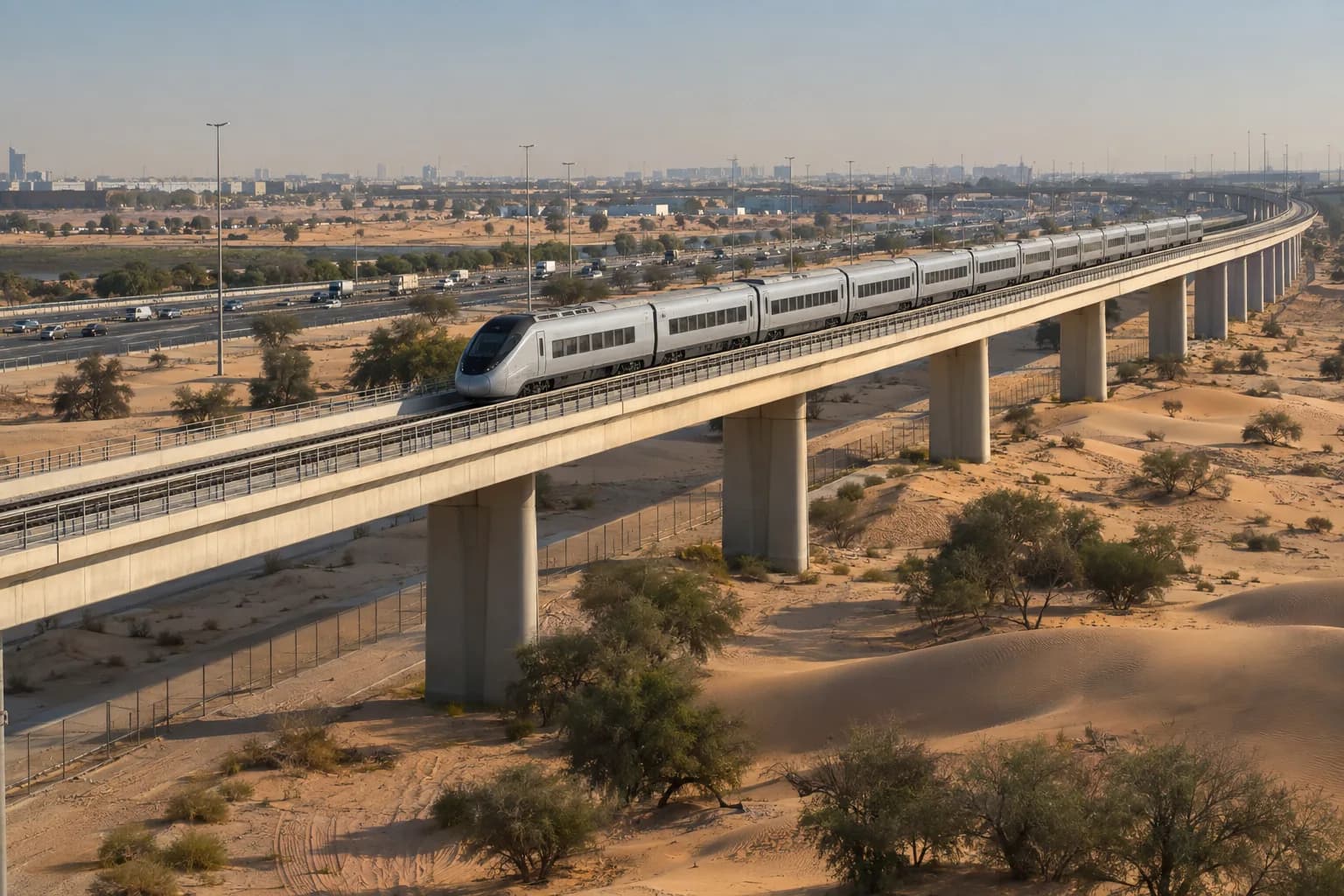
The Etihad Rail Dubai to Abu Dhabi train had to add six extra services for the weekend of 3 and 4 October 2026: tickets for the passenger line's first weekend of operation sold out within days. Etihad Rail, the operator of the UAE's national rail network, launched the service on 30 September 2026 from Al Yalayis station, near Jumeirah Golf Estates. It links Dubai to Mohammed Bin Zayed City station in Abu Dhabi in just over an hour. The station was inaugurated by UAE President Sheikh Mohamed bin Zayed, alongside Sheikh Hamdan bin Mohammed, Crown Prince of Dubai.
Key points
- Etihad Rail's passenger service between Dubai (Al Yalayis station) and Abu Dhabi (Mohammed Bin Zayed City) started on 30 September 2026, with 10 trains a day at launch.
- On 2 October 2026, Etihad Rail added six trains and more than 2,000 seats for 3 and 4 October, citing demand it described as exceptional.
- The Dubai–Abu Dhabi journey takes just over an hour, and Comfort class tickets start at 39 dirhams.
- The stations in the Al Dhafra region, in the west of the emirate of Abu Dhabi, are due to open on 30 December 2026, according to the timetable published by Etihad Rail.
- Sharjah station, located in University City, is due to open on 30 March 2027. It will complete the initial passenger network, connecting 11 cities and regions across the UAE.
Demand outpaced expectations from week one
Within its first week, the Dubai–Abu Dhabi line had to step up its timetable. Premium seats on several departures had sold out even before the 30 September launch. On Friday 2 October, Premium seats on several of Saturday's additional trains went in two hours. According to an Etihad Rail spokesperson, passengers book on average ten days ahead.
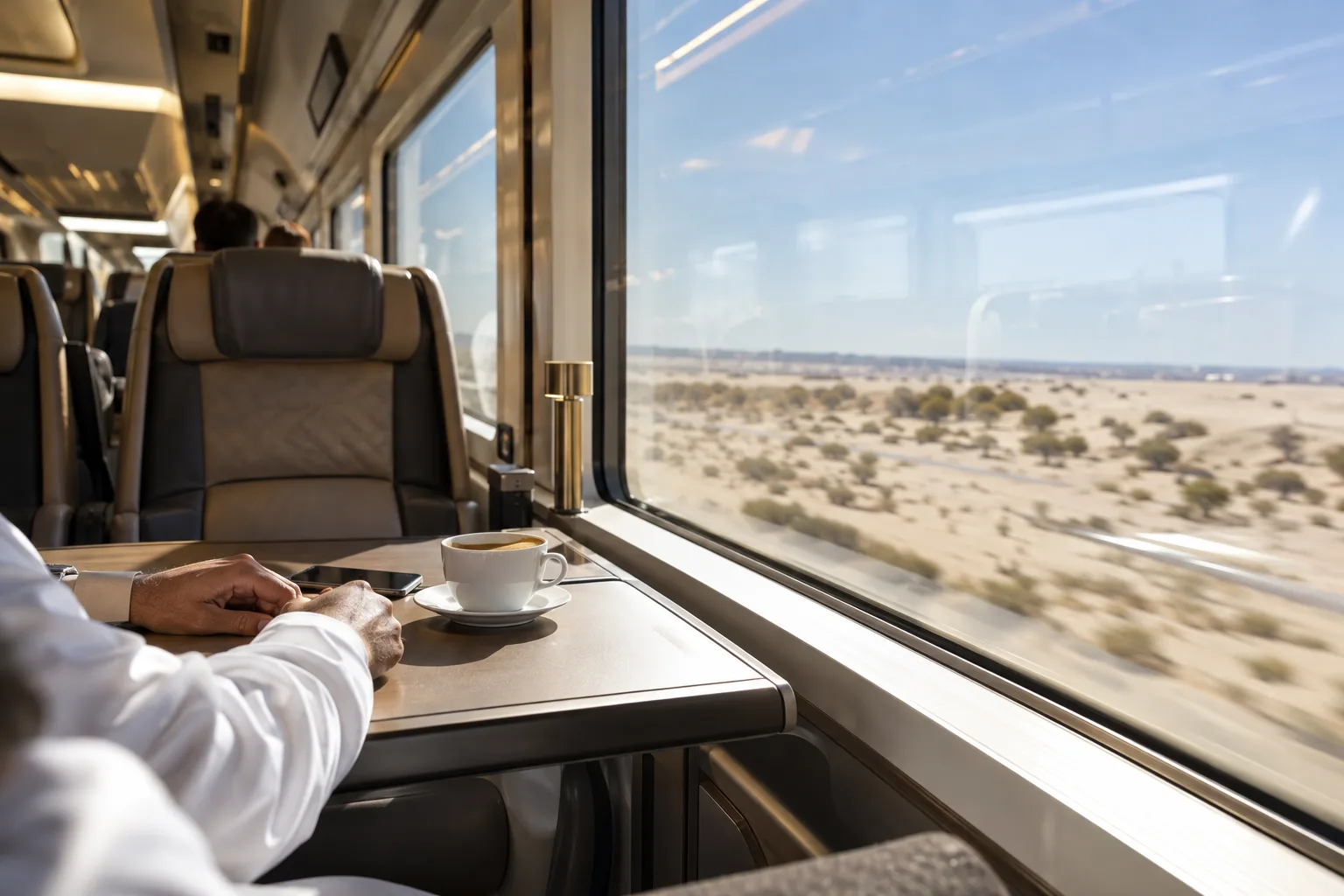
The line connects the country's two largest cities, home to most of the UAE's population. This start confirms genuine demand for an alternative to Sheikh Zayed Road. For many professionals, commuting between the two emirates is becoming a realistic lifestyle choice.
Al Dhafra in late 2026, Sharjah in March 2027: the network takes shape
Etihad Rail's official timetable sets out two further milestones. The Al Dhafra stations will open on 30 December 2026, followed by Sharjah, in University City, on 30 March 2027. The initial passenger network will then link 11 cities and regions, from Al Sila in the west to Fujairah in the east. The Abu Dhabi–Fujairah route has been running since 30 June 2026.
For Dubai, Sharjah's arrival matters most. Sharjah is the main residential base for people who work in Dubai. Once Sharjah is connected, Al Yalayis station will be reachable by train from both the north and the west of the country.
Free guide, delivered on WhatsApp
Get our investment guide
Taxation, visas, financing, buying steps: 14 pages sent to your WhatsApp within minutes.

South-west Dubai's neighbourhoods are on the front line
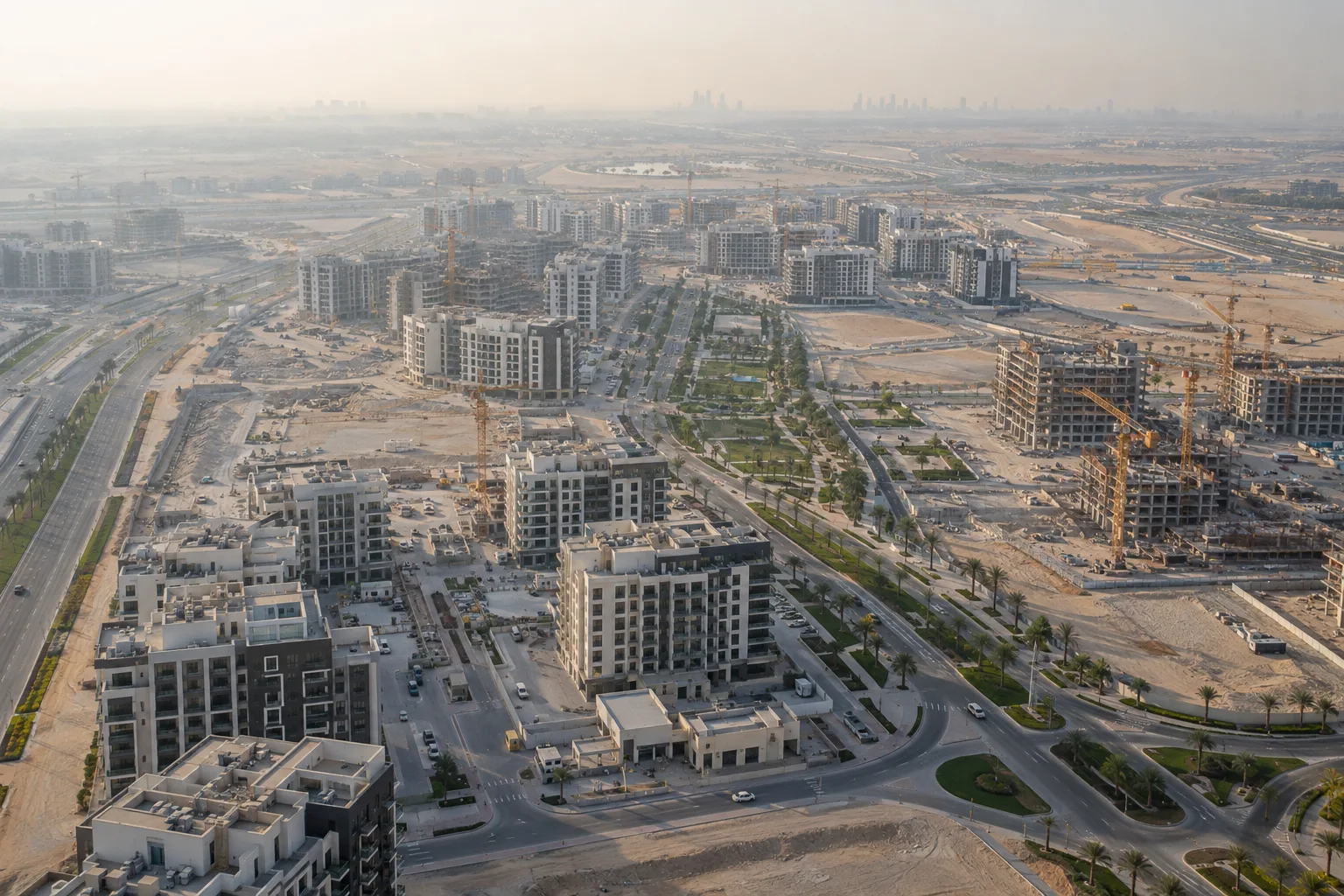
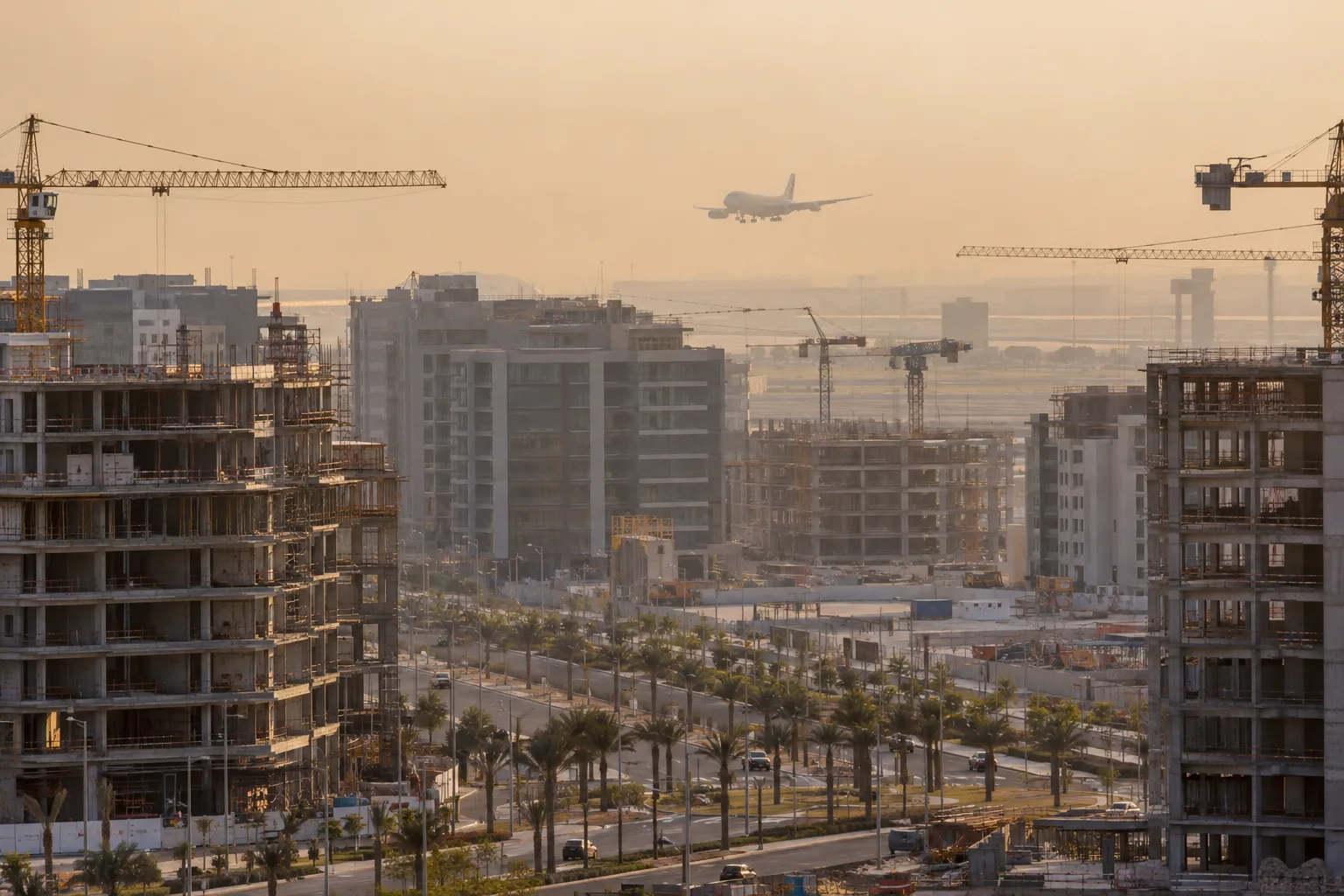
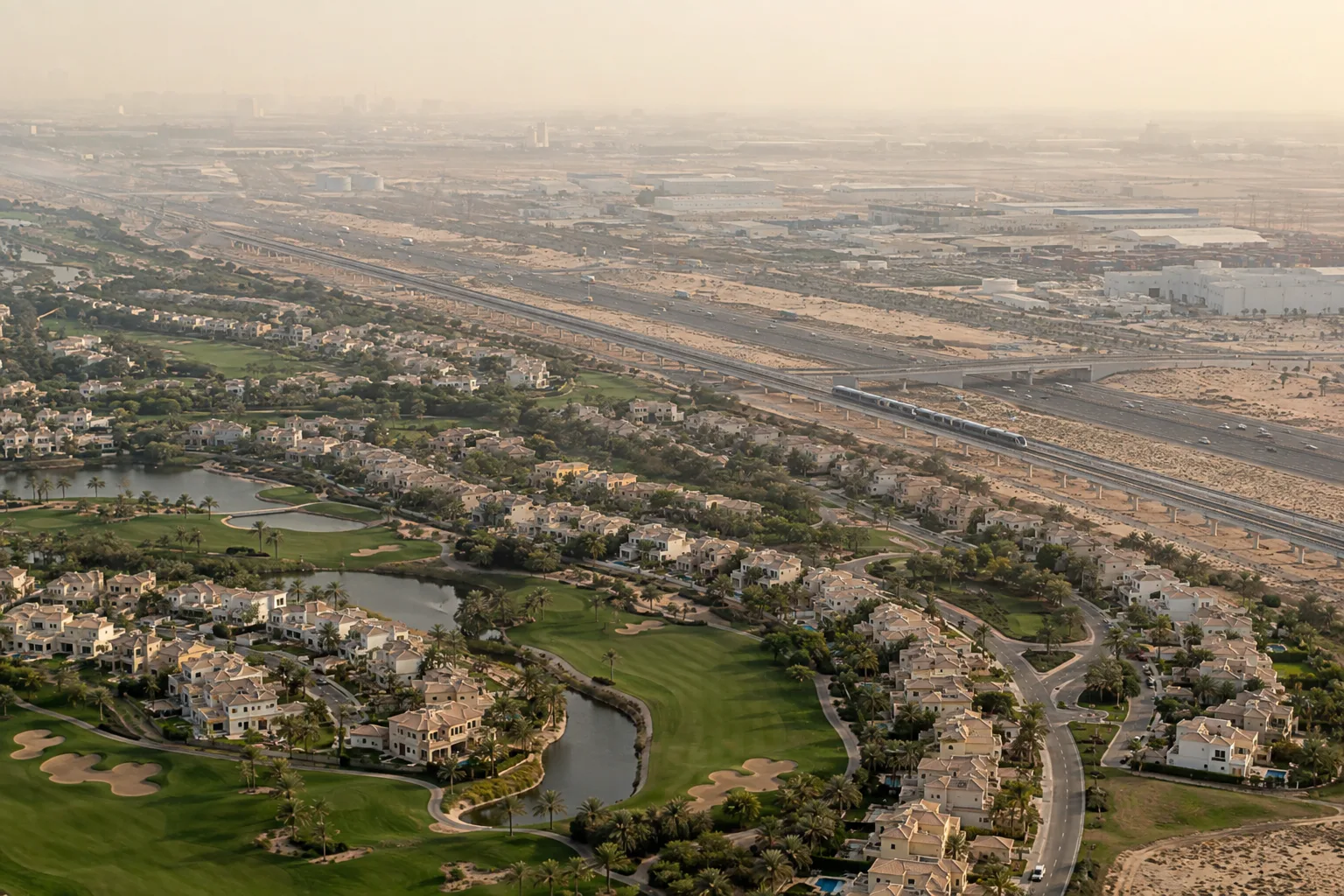
The areas around Al Yalayis station benefit directly from the new service: Jumeirah Golf Estates, Jebel Ali and the Dubai South corridor, home to Al Maktoum Airport. From these neighbourhoods, residents can now reach Abu Dhabi without a car, on top of motorway access to central Dubai. These are the areas we highlight in our analysis of Dubai's up-and-coming neighbourhoods.
What it means for investors
In our view, this launch confirms that new transport infrastructure draws users very quickly. The rental market usually follows the same path. A tenant working in Abu Dhabi can now consider living in south-west Dubai, and vice versa. The pool of potential tenants for properties near Al Yalayis is therefore widening. From March 2027, it will also include Sharjah-based professionals. In Dubai, individuals pay no tax on rental income or property capital gains, so this gain in accessibility feeds straight through to net yield.
Selectivity still matters. A station does not automatically lift an entire area: the project, the developer, the delivery schedule and the quality of access to the platform remain decisive. We compare, project by project, the developments of the developer Dubai South and residences in Jebel Ali. We cross-check this work with our reading of the neighbourhoods appreciating the most. If you would like to see how this shift fits your own strategy, our team on the ground in Dubai can support you with a tailored study.
Source: traveltomorrow.com — 2026-10-06
This article is part of our guide
Dubai Property Investment Guide for Foreign Buyers
About the author