
The escrow account makes it mandatory, in off-plan purchases, to deposit the buyer's funds into an account dedicated to the project, released in tranches according to real construction progress.
On this page
- Escrow account in Dubai: how is the buyer's money protected?
- Worked example: where does the money from an off-plan reservation actually go?
- Fund release in tranches: how the escrow bank keeps the developer in check
- Escrow, the secondary market and direct payment: the cases where escrow does not apply
- Checking for yourself that a project is under escrow before you pay
- Watch-points and pitfalls of the off-plan escrow account
The Dubai escrow account protects the buyer's money in off-plan purchases: your funds flow through a bank account dedicated to a single project, kept separate from the developer's own cash, made mandatory by Law No. 8 of 2007 under the supervision of RERA and the Dubai Land Department. The developer cannot freely draw on this money: the bank releases it in tranches, in step with the certified progress of construction.
This mechanism is the backbone of trust in Dubai's new-build market. It explains why a buyer can commit several hundred thousand dirhams to a building still at foundation stage, without those funds being used to finance another of the developer's projects.
Escrow account in Dubai: how is the buyer's money protected?
The developer cannot dip freely into this money. The licensed escrow bank releases it in tranches, as construction genuinely progresses and that progress is verified by RERA. A building with 30% of its structural work done does not unlock the funds earmarked for handover.

Who does what in the system
- The escrow bank, duly licensed, holds the account and executes the approved fund releases.
- The DLD registers the project and the purchase, and maintains the official register.
- RERA supervises, certifies progress and checks that the process is followed.
This protection applies exclusively to off-plan. From the moment of reservation, the funds paid are secured on this regulated account — not on a personal account or the developer's day-to-day cash.
Worked example: where does the money from an off-plan reservation actually go?
When reserving an off-plan property, the deposit represents 5 to 20% of the price (often 10-20%), sometimes preceded by a fixed booking fee of AED 20,000 to 100,000 before signing the SPA, according to market sources. Every transfer lands in the project's escrow account.
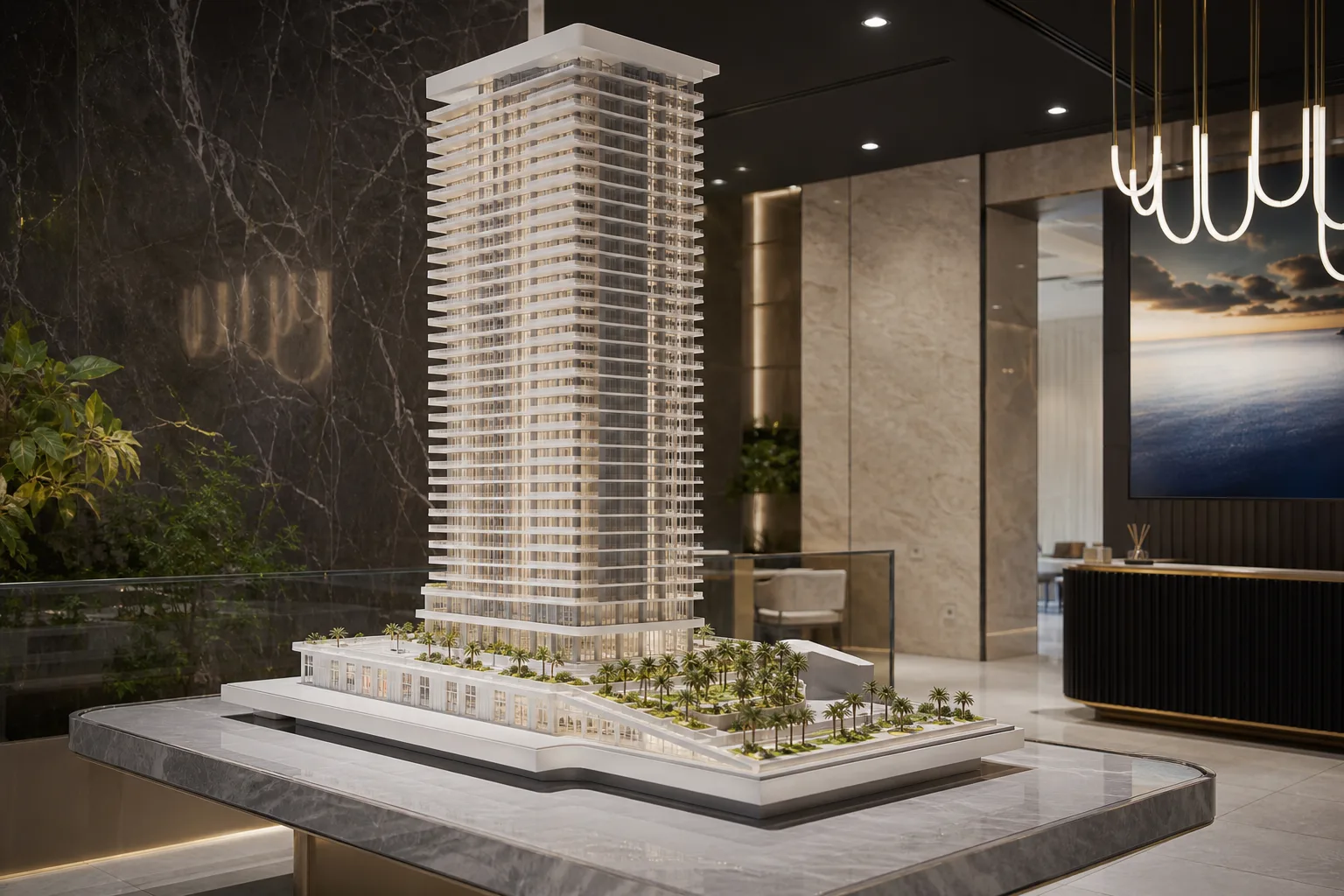
Take a real project from our catalogue: Canal Heights, developed by DAMAC Properties in Business Bay, priced from AED 1.2M. A 20% deposit amounts to AED 240,000 paid directly into the project's escrow account — never into an intermediary's account. Registration of the off-plan sale with the DLD is formalised by entry in the Oqood register, distinct from the final title deed issued at handover.
What stays OUTSIDE escrow
Some fees never pass through the escrow account: the 4% DLD transfer fee and the fixed administrative fees, in the region of AED 4,700 to 5,500. On the same AED 1.2M, that 4% comes to AED 48,000 to budget for separately.
Escrow or outside escrow: what each item covers
| Payment item | Amount (based on AED 1.2M) | Goes through escrow? |
|---|---|---|
| Reservation deposit (20%) | AED 240,000 | Yes, project account |
| DLD transfer fee (4%) | AED 48,000 | No |
| Fixed DLD administrative fees | ~AED 4,700 to 5,500 | No |
| Oqood registration (off-plan) | Dedicated DLD fees | No |
The detail of the payment schedule belongs in other guides: how the payment plan works and the step-by-step off-plan process.
Fund release in tranches: how the escrow bank keeps the developer in check
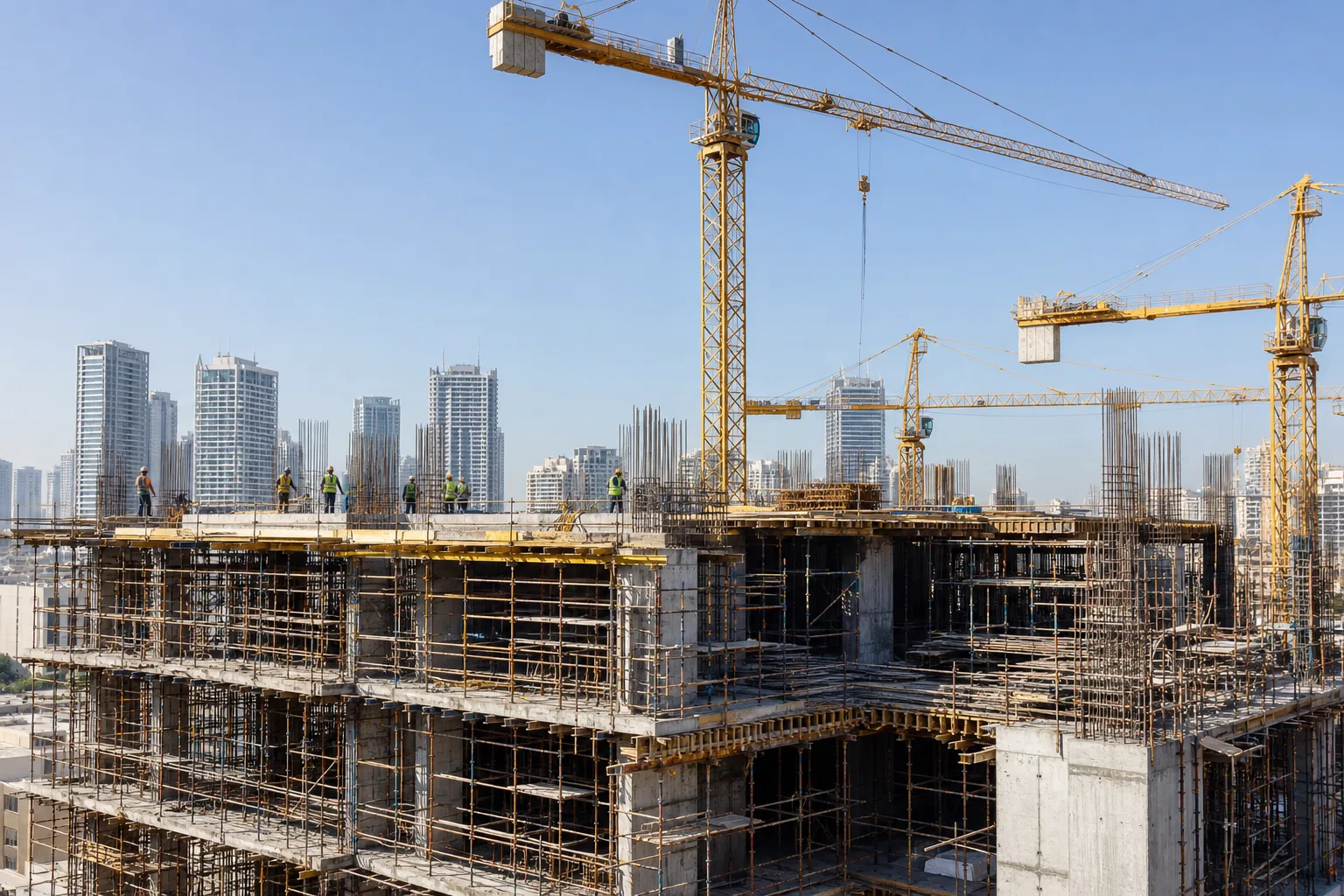
Escrow funds are only released against certified construction progress, validated by a licensed engineer or consultant under RERA oversight — this is the mechanism that prevents money being diverted to another project. Each released tranche corresponds to a construction milestone that has actually been reached.
Free resource
Get our investment guide
The essentials — strategy, taxation, steps — to download.
A portion of the funds is held back as a retention, kept after handover to cover any defects. This retention is separate from the snagging inspection the buyer carries out before accepting the keys: one is a financial mechanism, the other a visual check of the property.
This framework is the direct counterpart of freehold ownership, opened to foreigners in Dubai's designated zones back in 2002, and of the off-plan boom that followed. Opening full ownership to international buyers required a system that secures their money before the property even exists.
Escrow, the secondary market and direct payment: the cases where escrow does not apply
Project escrow is specific to off-plan: on the secondary market — that is, a property already completed — security comes through the DLD transfer and the Manager's Cheque, not a project-dedicated escrow account. Buyer and seller meet in person for the transfer registration.

A project in mind?
Talk to a Lucretia adviser
Tailored guidance, no obligation.
The fees differ too. On the secondary market, the buyer pays an agency fee of 2% of the price + 5% VAT, according to Property Finder; when buying off-plan directly from the developer, there is generally no commission on the buyer's side.
Two notions not to be confused
- The PROJECT escrow account: a mandatory regulatory protection, specific to new-build, supervised by RERA.
- The transaction escrow account: a one-off arrangement used by some agents or trustees to secure funds during a secondary transfer.
The full sequence of a completed purchase is covered in our guide on the process of buying a completed property, including the role of the NOC and the visit to the trustee office, whose fees are in the region of AED 4,000 to 4,200.
Checking for yourself that a project is under escrow before you pay
Before any payment, ask for the project's escrow account number and verify its RERA/DLD registration as well as the developer's licence. A legally marketed new-build project has an identifiable escrow account: its absence is a deal-breaker.

Relying on listed, active developers reduces the risk upfront. Among the 80 developers in our catalogue are Emaar Properties, DAMAC Properties and Sobha Realty, whose deliveries we track project by project. To weigh their respective strengths, our comparison of Dubai's major developers sets Emaar, Damac, Sobha and Binghatti side by side by objective.
Tying a project to its district helps to place the deal: Emaar Properties' Albero sits in Dubai Creek Harbour, from AED 1.9M for delivery in September 2029. Every listed project is linked to its declared escrow account.
The in-depth vetting of a developer — delivery track record, guarantees, financial health — is detailed in our dedicated guide on how to choose a reliable developer in Dubai.
Watch-points and pitfalls of the off-plan escrow account
The first trap is believing that escrow guarantees on-time delivery: it secures the funds, never the timeline. A developer can follow the escrow process to the letter and still deliver late. The fate of a delayed or abandoned project is covered in our guide on the off-plan process.
Featured
View projects: Keturah Reserve
From AED 3,871,000
Hand-picked new properties with end-to-end expert support.
View projects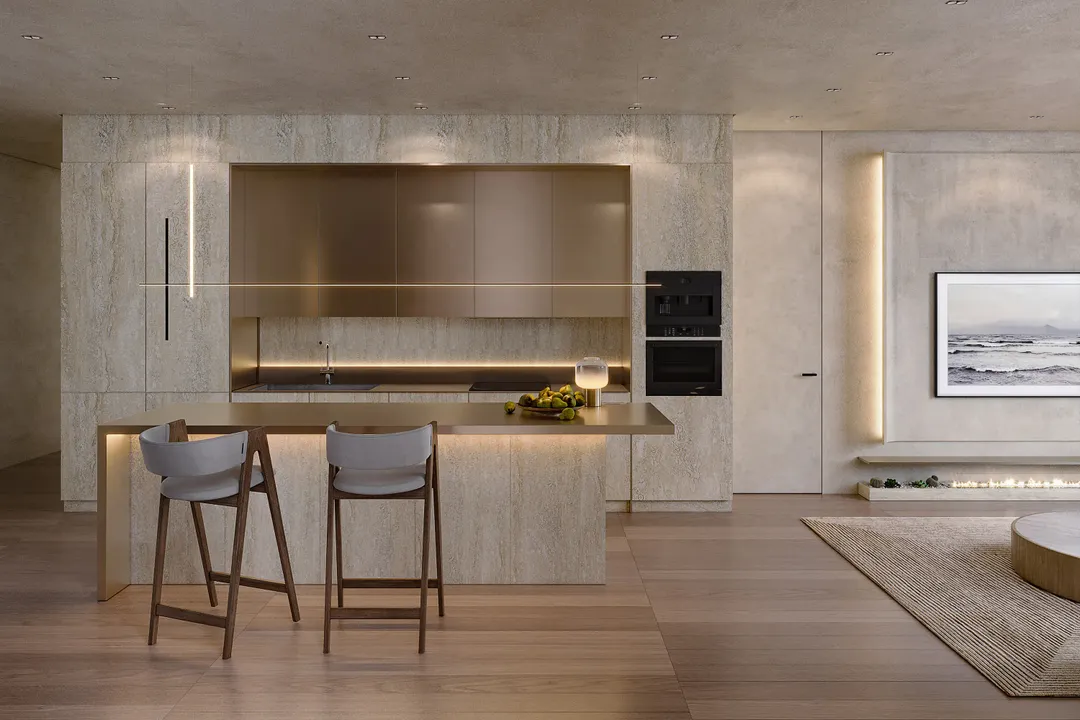
The other mistakes that cost dearly
- Paying a booking fee outside the escrow route, into an intermediary's personal account: this is the most serious red flag.
- Forgetting the additional costs: beyond the outside-escrow items already detailed, factor in service charges of AED 3 to 30 per sq ft per year due after handover.
- Overlooking succession: a will registered with the DIFC Courts secures the transmission of the property for non-Muslims, independently of the escrow account.
None of this undermines the strength of the escrow system. It simply reminds us that escrow protects one specific flow of money, and that a secure off-plan purchase means locking down everything around it.
What I say most often to my clients: diligence on the developer and the location remains just as essential. The escrow account locks down the flow of money, but it doesn't choose the right project for you — that's our job, upstream.
— Jean-Pierre MARTINI, Director of Technology & Innovation
This article is part of our guide
Dubai Property Investment Guide for Foreign Buyers
About the author

Jean-Pierre MARTINI
Director of Technology & Innovation
With over 15 years of experience in corporate strategy, marketing and project management, Jean-Pierre has helped dozens of companies with their business development across several industries. An entrepreneur by training, he founded and led several companies, ranging from specialized retail to innovative digital solutions. Since 2021, he has turned his focus to real estate and the Dubai market, advising investors on their wealth strategies. Currently at Lucretia, his role includes managing technological innovation, optimizing business processes, and developing team skills. He also ensures client follow-up and provides personalized strategic advice to investors.