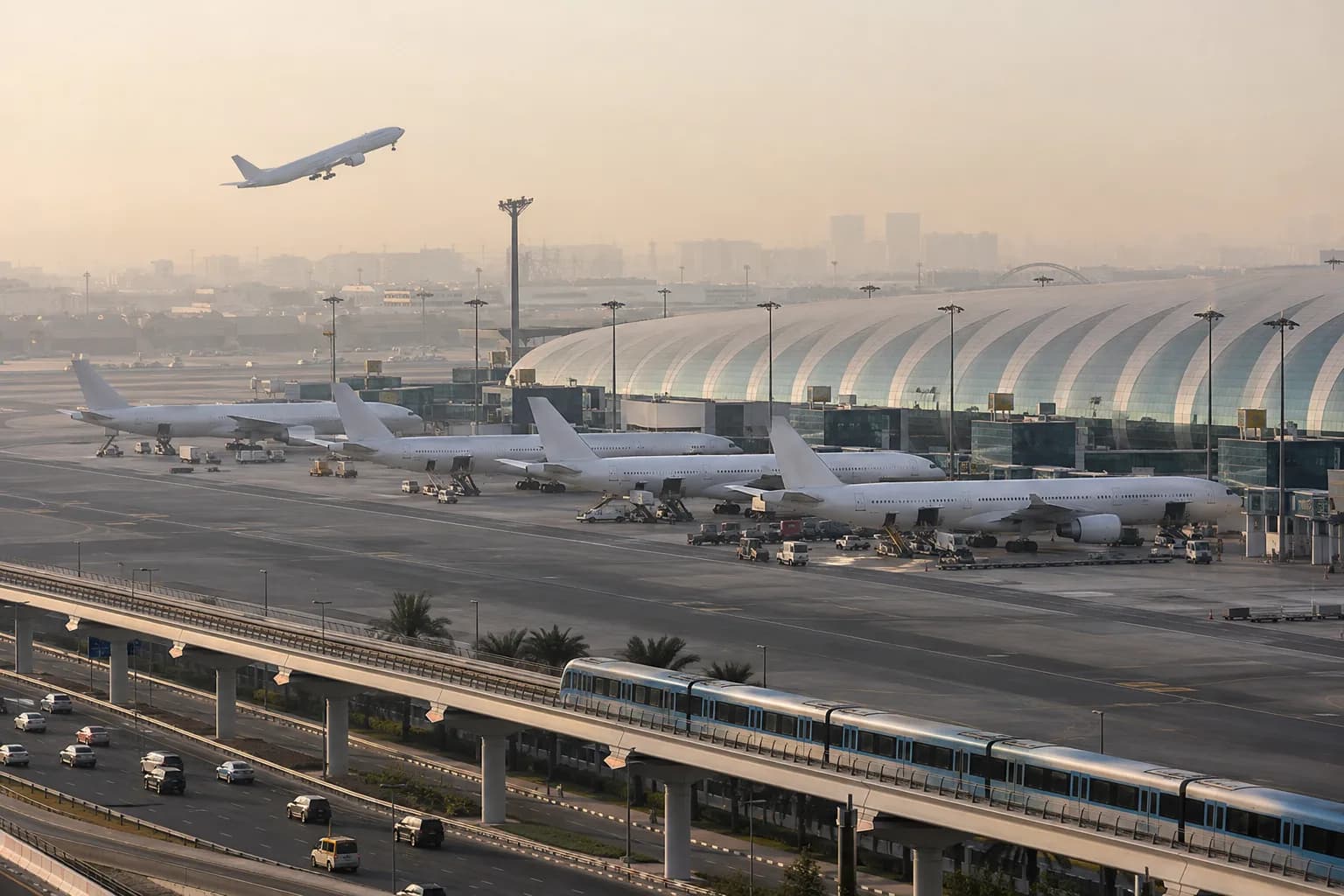
In an interview with Reuters in early September 2026, widely reported through mid-October, Dubai Airports CEO Paul Griffiths said Dubai International Airport (DXB) expects around 70 million passengers in 2026. The 100 million target has been pushed back to the end of 2027.
On this page
Dubai airport passenger numbers for 2026 will come in at around 70 million, Paul Griffiths, CEO of Dubai Airports, told Reuters in an interview published in September 2026 and reported by the international press through 15 October 2026. The previous target for Dubai International Airport (DXB) was 100 million passengers for the year. According to Griffiths, the airport's capacity has recovered to 84% of its pre-war level, and passenger traffic to 78%. The 100 million annual passenger target could be reached "conservatively" by the end of 2027.
Key takeaways
- Dubai Airports expects around 70 million passengers at Dubai International Airport (DXB) in 2026, against an initial target of 100 million.
- According to Paul Griffiths, CEO of Dubai Airports, DXB's capacity is back to 84% of its pre-war level and passenger traffic to 78%.
- DXB handled 6.3 million passengers in July 2026, 26% more than in June 2026.
- In the first quarter of 2026, DXB handled 18.6 million passengers, down 23.4% year on year, after much of the region's airspace was closed for nearly two months from late February 2026.
- Dubai Airports believes it can reach its 100 million annual passenger target by the end of 2027.
DXB passenger traffic is recovering fast, on a timeline pushed back a year
Traffic at Dubai International Airport is rebounding strongly: 6.3 million passengers in July 2026, 26% more than in June, according to Dubai Airports. The low point came in the first half of the year, when much of Middle Eastern airspace was closed for nearly two months from late February 2026. In the first quarter, DXB handled 18.6 million passengers, down 23.4% year on year.
Paul Griffiths' message therefore cuts two ways. On one hand, 2026 will close at around 70 million passengers, well short of the hoped-for 100 million. On the other, momentum is clearly upward: he describes both the transit and direct-flight markets as "incredibly healthy" and puts the return to the 100 million mark at the end of 2027. For property, the reading is simple: tourist and business demand has not vanished. It is coming back, roughly a year late.
Short-term rentals: a 2026-2027 season of recovery
Air traffic is one of the best leading indicators of short-term rental demand in Dubai, since most visitors arrive through DXB. Traffic at 78% of its pre-war level means fewer room nights to share between hotels and furnished apartments, which weighs on occupancy rates and nightly prices until the recovery is complete.
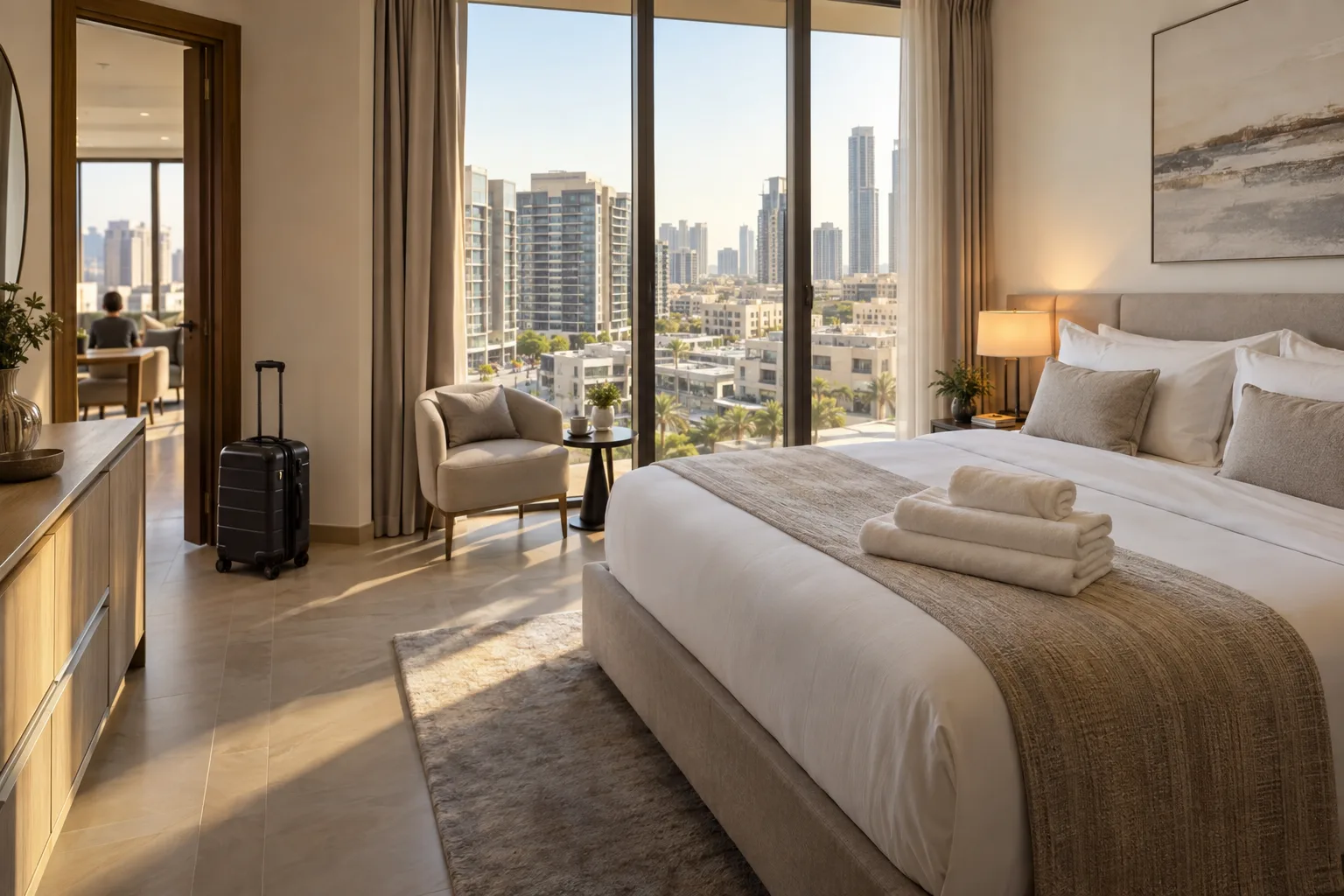
The month-on-month rebound seen since the summer comes at the right moment, though: Dubai's peak tourist season runs from October to April. Owners of holiday homes operated as short-term rentals should manage their pricing and calendars closely this winter, and keep annual leasing in reserve as an option — it remains supported by the emirate's population growth.
A project in mind?
Talk to a Lucretia adviser
Tailored guidance, no obligation.
Neighbourhoods near the airport: a catch-up worth watching
Areas right next to DXB, such as Al Garhoud, Deira, Dubai Festival City and Mirdif, depend partly on transient demand: aircrew, business travellers, extended stopovers. They are naturally the first to feel reduced traffic, and the first to benefit when it picks up. Their recovery follows the airport's own timeline: gradual in 2026, stronger as the end-2027 target approaches.
Longer term, the bulk of Dubai's aviation activity is set to shift to Al Maktoum International Airport in Dubai South, which is already redrawing the map of Dubai's up-and-coming neighbourhoods. A one-year delay on DXB's trajectory does not change that underlying direction.
What it means for investors
For investors, this announcement does not undermine Dubai's fundamentals: individuals pay no tax on rental income or on property capital gains, and buying a property of sufficient value opens access to the Golden Visa. What changes is the pace of tourist demand. We recommend building any short-term rental business plan on conservative occupancy assumptions for 2026-2027 rather than pre-crisis levels, and favouring properties that can switch to long-term letting if needed.
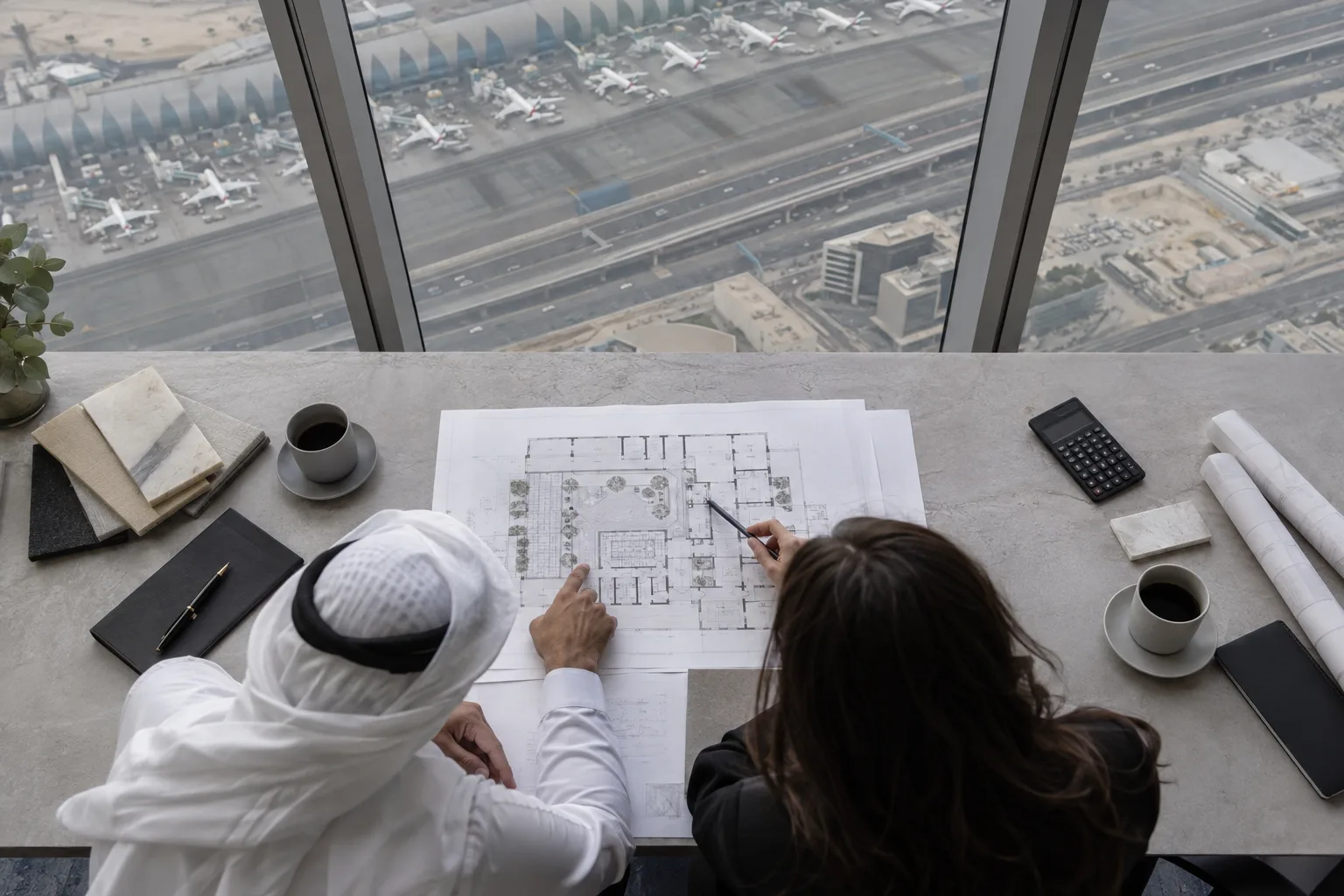
This catch-up phase may also offer an entry window: buying while tourist demand rebuilds its volumes allows for better negotiating terms, with a holding period aligned with the announced return to 100 million passengers. No trajectory for rents or prices can be taken for granted, however.
Choosing the right neighbourhood remains decisive. We help our clients weigh locations close to DXB, emerging areas around Dubai South and established residential addresses — see our guide to choosing the right Dubai neighbourhood for your goals, or our overview of investing in Dubai.
Source: caliber.az — 2026-10-15
Free guide, delivered on WhatsApp
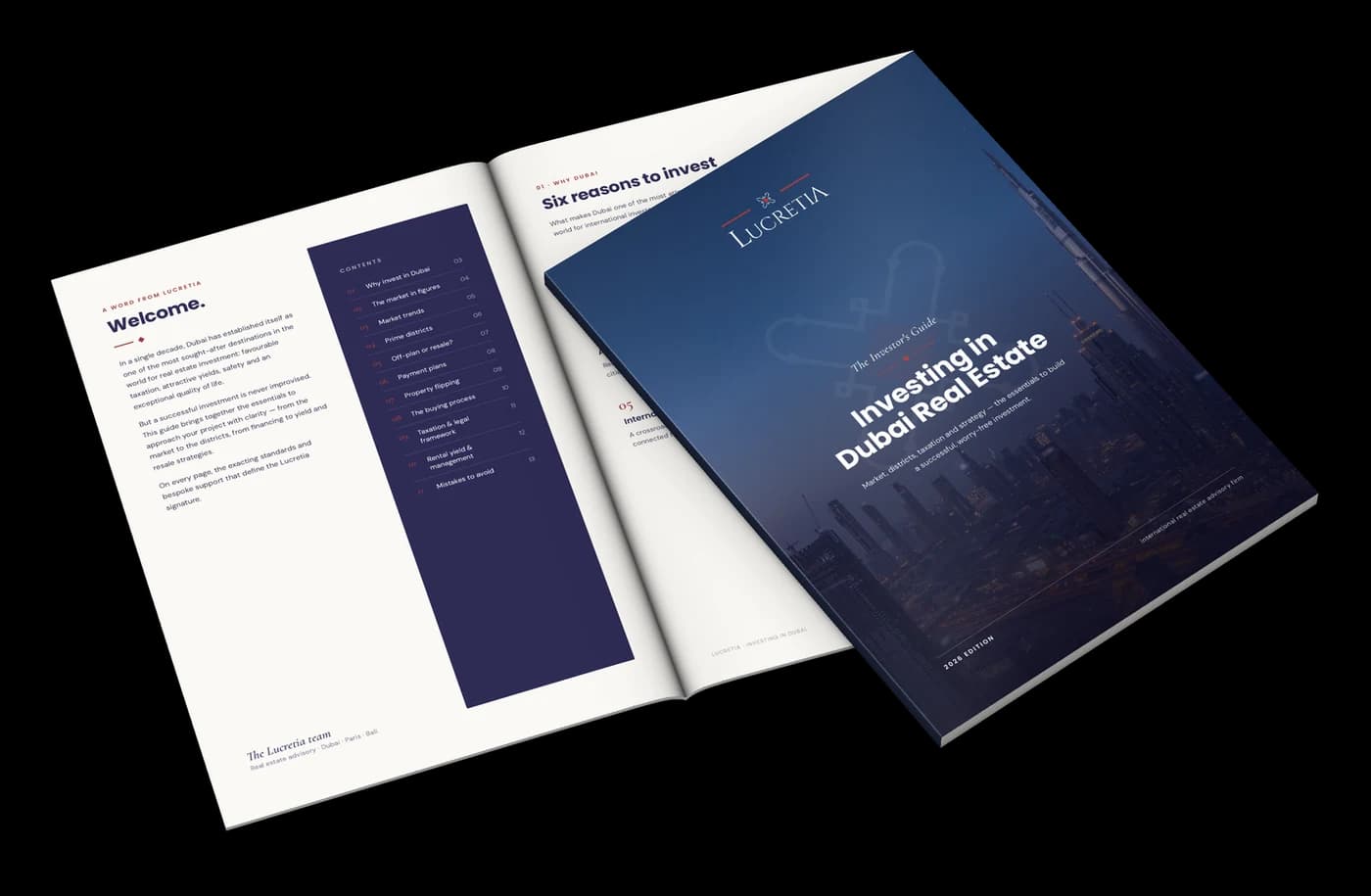
Get the guide "Investing in Dubai"
Taxation, visas, financing, buying steps: 14 pages written by our advisers, sent to your WhatsApp within minutes.
This article is part of our guide
Dubai Property Investment Guide for Foreign Buyers
About the author

Mourad LACHAB
Real Estate Consultant
Originally from Strasbourg and after ten years in Paris, Mourad moved to Dubai. A former soldier in the French Army for five years, he developed discipline, rigor and a sense of responsibility — qualities he now puts to work for his clients. He started out in Dubai at an English-speaking agency specializing in the secondary market, then joined Lucretia to support French-speaking clients with a 360° view of the market: off-plan, resales, rentals, taxation, etc. A committed and passionate professional, Mourad stands out for his seriousness, transparency and determination. He also practices boxing, a sport that perfectly reflects his mindset.