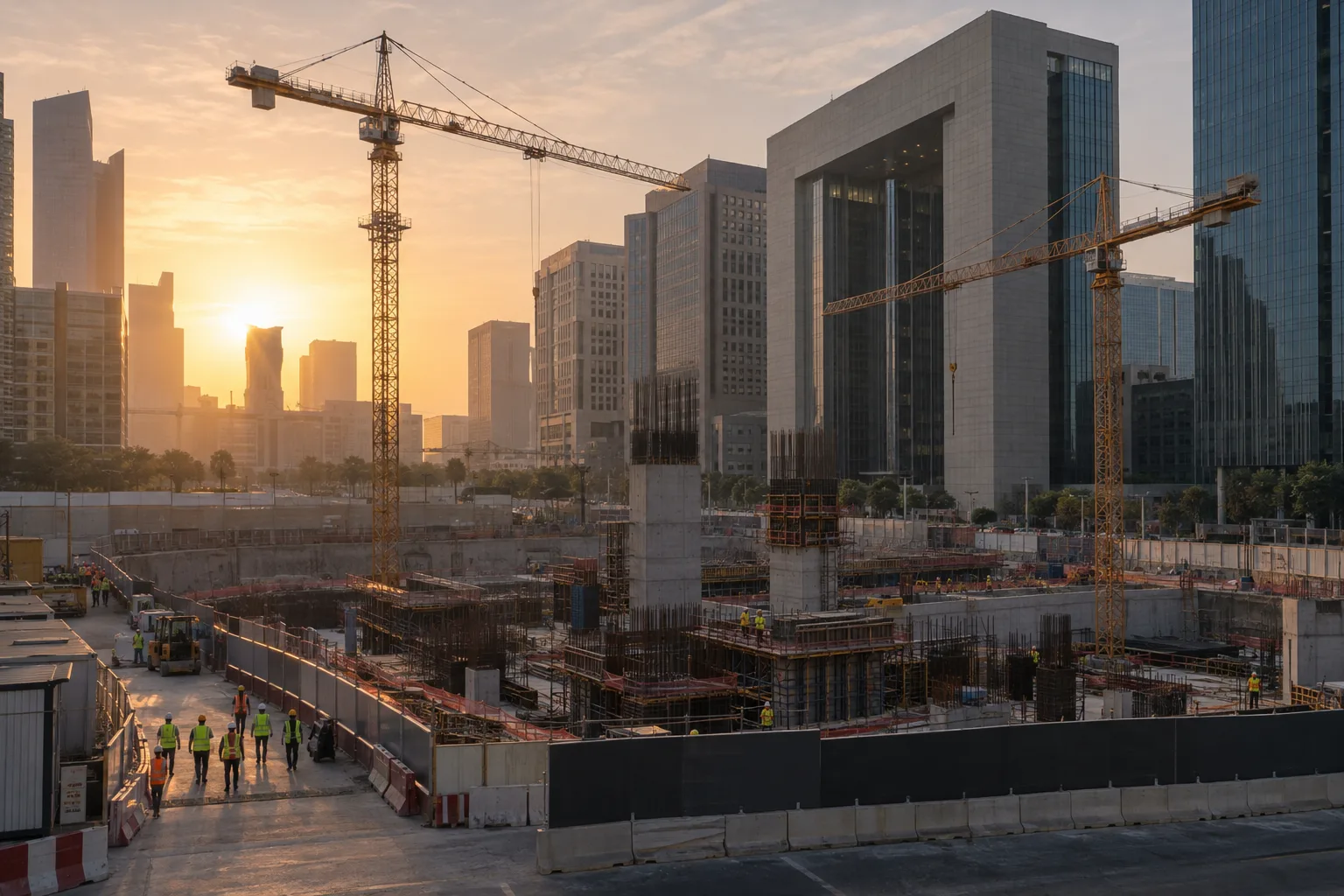
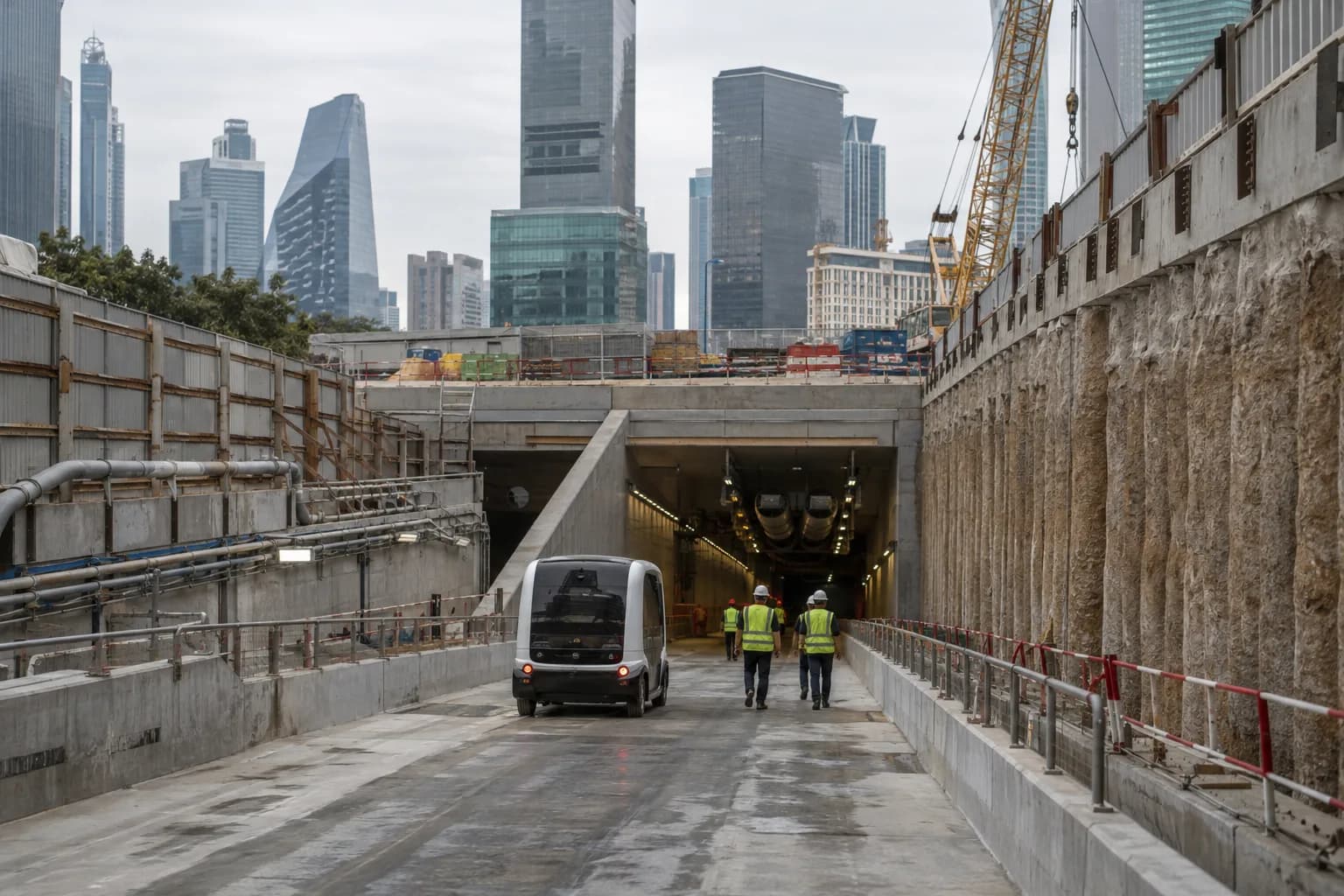
On 13 October 2026, Dubai's Roads and Transport Authority (RTA) presented plans for an integrated underground transport network. Its Dubai Loop component is set to reach 22 km and 19 stations, at an estimated cost of AED 2 billion.
On this page
On Tuesday 13 October 2026, at the Mohammed bin Rashid Leadership Forum, Mattar Al Tayer, Director General of Dubai's Roads and Transport Authority (RTA), unveiled plans for a Dubai underground transport network designed to move people, goods and services beneath the city. An RTA team is currently studying the network. Its most advanced component is Dubai Loop, the passenger tunnel the RTA is building with The Boring Company: 22 km and 19 stations once complete, at an estimated cost of AED 2 billion.
The project responds to very real demographic pressure: according to Digital Dubai, the emirate's population reached 4.58 million at the end of 2025, up 7.5% year on year.
Key points
- On 13 October 2026, Mattar Al Tayer, Director General of Dubai's RTA, presented plans for an integrated underground network for people, goods and services.
- The full Dubai Loop network is set to cover 22 km and 19 stations, at an estimated cost of AED 2 billion.
- The first phase of Dubai Loop, 6.4 km long with 4 stations, links DIFC to Dubai Mall for an investment of around AED 565 million.
- Dubai's population reached 4.58 million at the end of 2025, up 7.5% year on year, according to Digital Dubai.
- The RTA expects Dubai's daytime population to double to more than 12 million by 2040, from 6.392 million in 2025.
Dubai Loop, the first building block of the underground network
Dubai Loop is the most tangible part of the underground network: 22 km and 19 stations in the long run, for around AED 2 billion. The final partnership between the RTA and The Boring Company was signed in February 2026, on the sidelines of the World Governments Summit. The first phase, a 6.4 km pilot route with 4 stations, links the Dubai International Financial Centre (DIFC) to Dubai Mall on a budget of around AED 565 million. The first stations announced include Burj Khalifa, DIFC 2 and Zabeel Dubai Mall Parking.
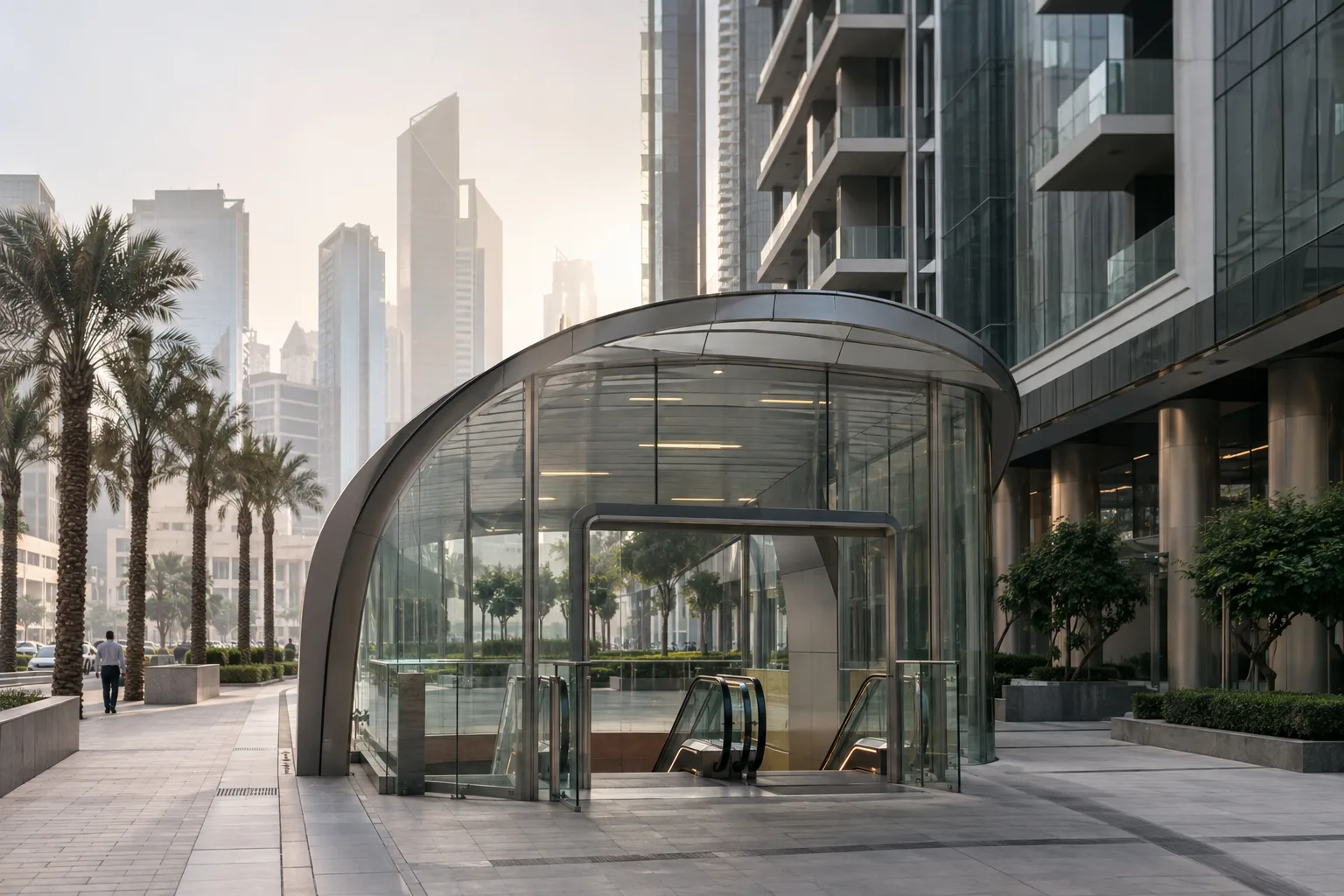
Eventually, the network is set to connect the Dubai World Trade Centre and the financial district to Business Bay. The integrated network presented on 13 October goes further, as it also covers the movement of goods and services. Its route, timeline and detailed budget have yet to be published: the RTA says it is still under study.
A project in mind?
Talk to a Lucretia adviser
Tailored guidance, no obligation.
Dubai's underground transport network: a response to growth
Dubai is building underground because the city is growing faster than its roads: 4.58 million residents at the end of 2025, roughly 332,000 more in a single year, according to the Dubai Data and Statistics Establishment, part of Digital Dubai. The daytime population stood at 6.392 million in 2025, counting the workers, visitors and tourists who enter the emirate each day.
The RTA expects that figure to exceed 12 million by 2040. For the authority, tomorrow's mobility plays out on three levels: ground, underground and sky, with the first air taxi station due to open this year. For investors, the signal is clear: the emirate keeps investing heavily in the infrastructure that underpins the appeal of its districts. Our Invest in Dubai page covers the fundamentals of this market.
The districts on the front line
The first districts concerned are those along the pilot route and its announced extension:
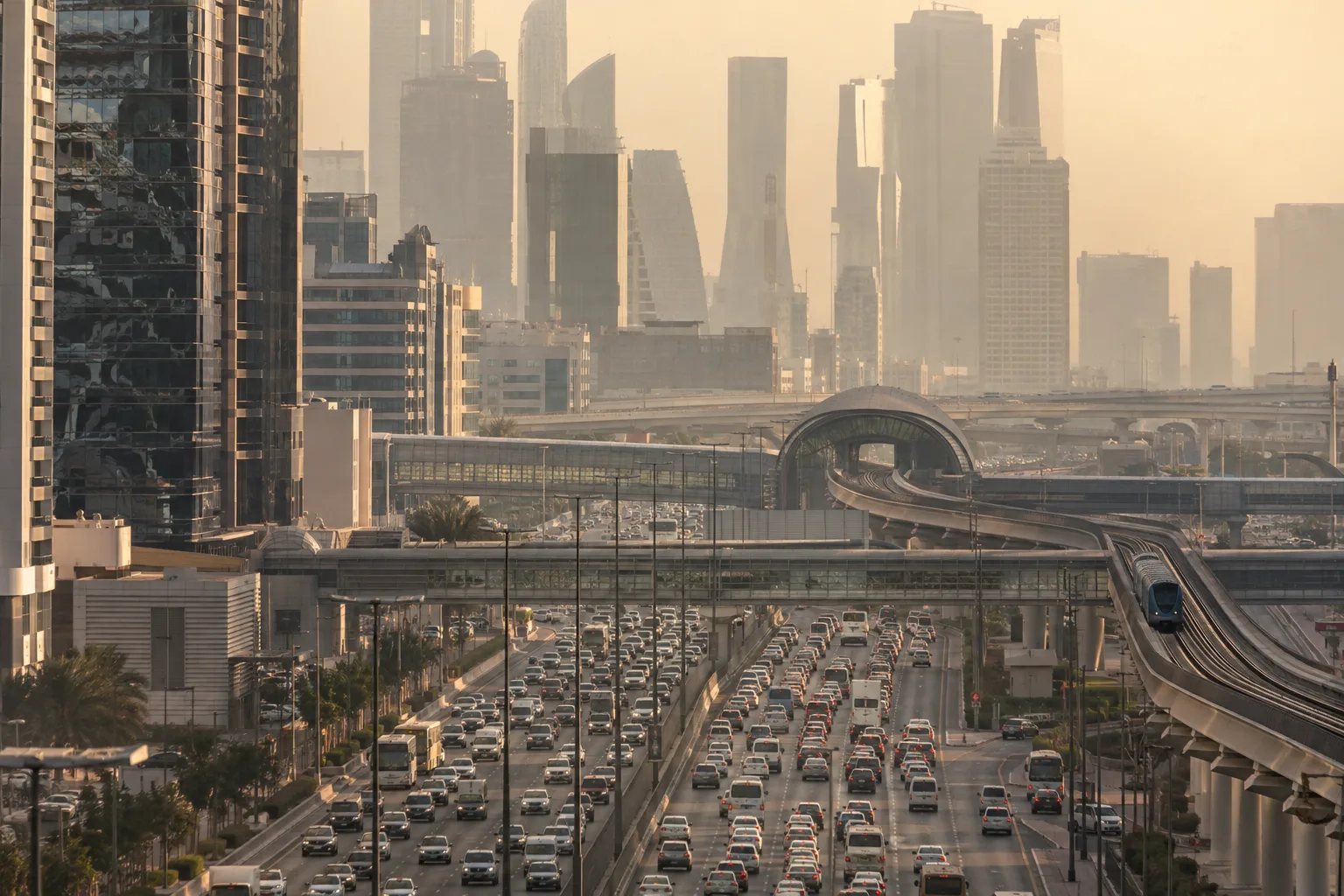
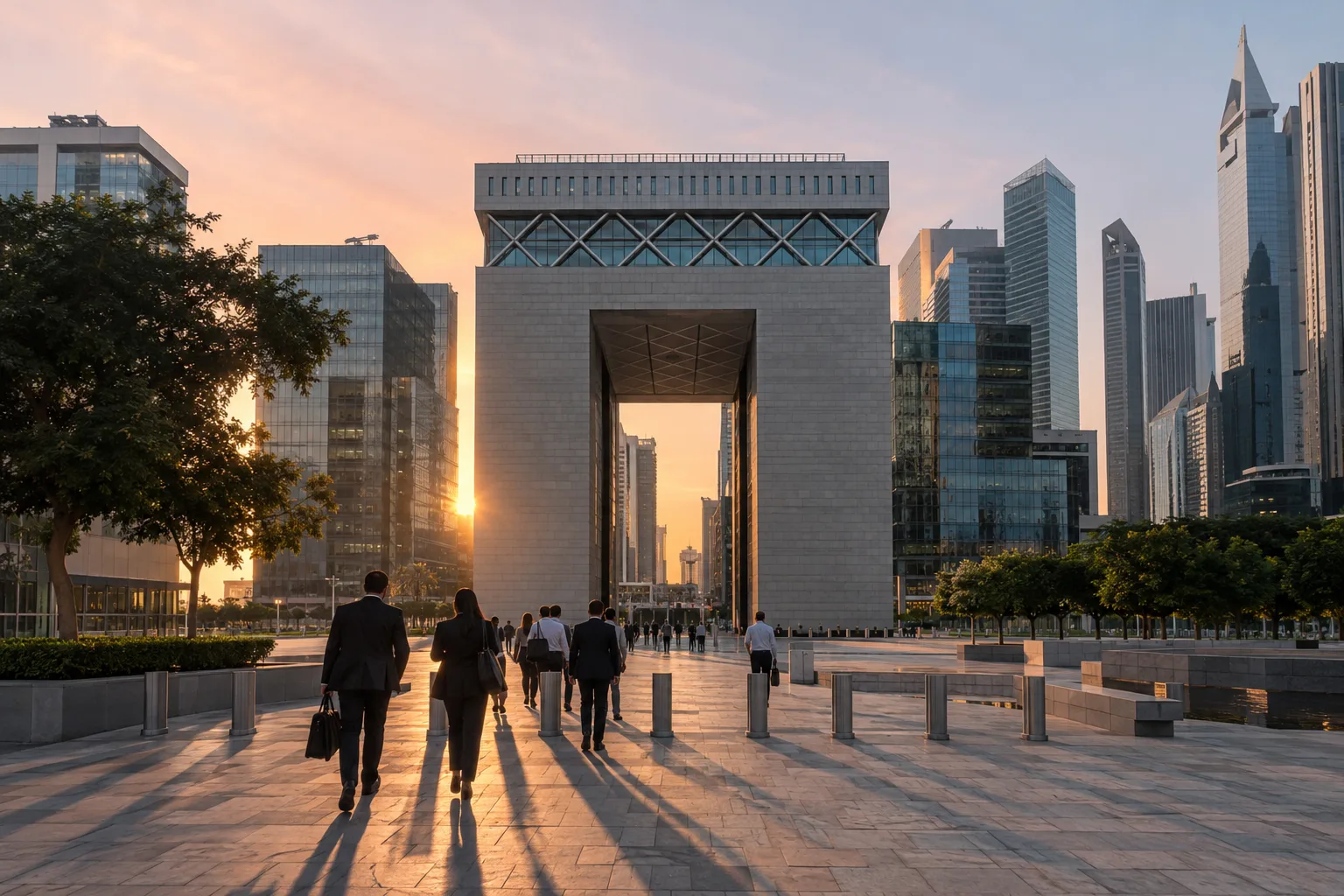
- DIFC: the emirate's main business district, home to two of the first stations;
- Downtown Dubai: served by the Burj Khalifa and Dubai Mall stations;
- Business Bay and the Dubai World Trade Centre area: included in the network extension.
These districts are already in high demand. Better connectivity mainly adds day-to-day convenience and rental appeal, rather than creating a new centre of gravity. To compare their potential with emerging areas, see our guide Capital gains in Dubai: which districts appreciate most.
What it means for investors
We follow announcements like this closely, because transport access is one of the first things tenants look at in Dubai. An apartment a few minutes' walk from a station is easier to let to DIFC and Business Bay professionals keen to avoid the traffic on Sheikh Zayed Road. Since individuals pay no tax on rental income or property capital gains in Dubai, stronger occupancy feeds straight into net yield.
We do, however, keep a clear distinction in mind. The Dubai Loop route between DIFC and Dubai Mall is known; the route of the integrated network presented on 13 October is not. Buying on the strength of a rumoured station alone would be premature. We advise focusing instead on properties that already stand on their own merits (location, developer quality, resale liquidity), where future connectivity becomes an added bonus. Our guide to Dubai's up-and-coming districts builds on this approach.
Our teams on the ground track every RTA publication and help you identify the addresses set to benefit from this new infrastructure, with analysis tailored to your wealth strategy.
Source: thenationalnews.com — 2026-10-13
Free guide, delivered on WhatsApp
Get the guide "Investing in Dubai"
Taxation, visas, financing, buying steps: 14 pages written by our advisers, sent to your WhatsApp within minutes.
This article is part of our guide
Dubai Property Investment Guide for Foreign Buyers
About the author

Sofiane OULD
Founder & Chief Executive Officer
A visionary entrepreneur and recognized expert in Dubai's prestige real estate market, Sofiane began his career in Paris before joining major players in online real estate (SeLoger, MeilleursAgents, Airbnb). Based in Dubai since 2019, he quickly established himself as one of the city's top-performing brokers. Founder of Lucretia Immobilier, he now supports his clients with an approach combining integrity, innovation and excellence, thereby redefining the standards of luxury.